
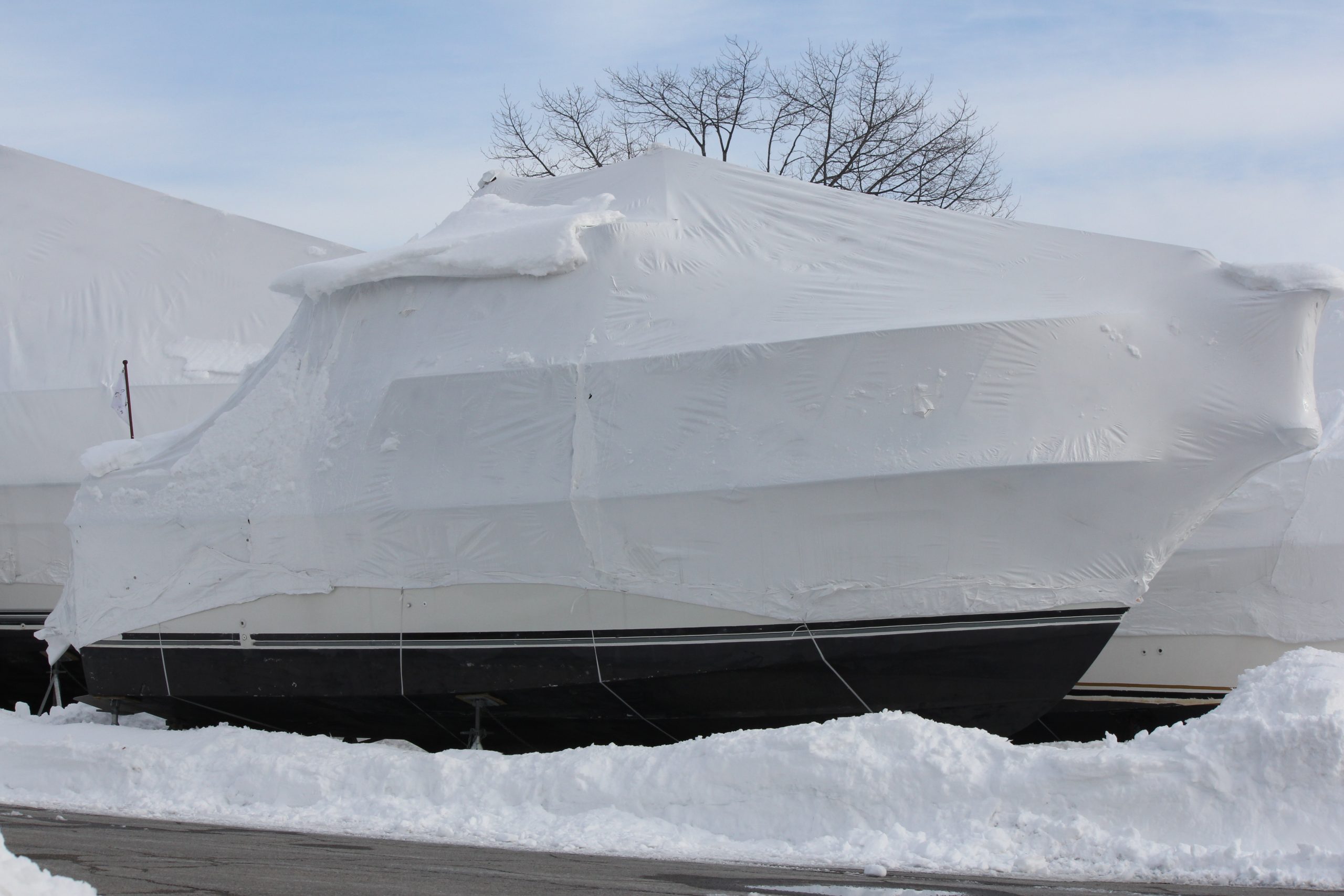
When temperatures drop and boating season comes to an end, protecting your vessel should move to the top of your to-do list. Proper boat winterization and storage isn’t just about maintaining performance—it’s a crucial step in preventing costly freeze damage, corrosion, or engine failure when spring arrives.
And while your boat might be out of the water, risk doesn’t take the winter off. Without the right preparation and insurance coverage, a single cold snap or overlooked task can lead to thousands in repair bills.
Many boat owners assume that simply parking their boat in the driveway or shrink-wrapping it is enough. But winterizing a boat is more involved than winterizing a car or RV. Inboard and outboard engines, freshwater systems, hull integrity, electronics, and batteries all require attention before the first freeze hits.
Fail to prepare, and you may face cracked blocks, split hoses, mold outbreaks, fuel system clogs, or electrical damage—expenses that most insurance policies won’t cover if caused by neglect.
Why Boat Winterizing Matters
Boats are built for the water—but not for freezing temperatures. When water expands as it freezes, it can break fittings, hoses, and internal engine components. Repairs are expensive, and the downtime in spring can ruin your launch plans.
Winterization typically includes:
- Flushing and stabilizing fuel systems
- Adding antifreeze to engine and plumbing lines
- Changing engine oil and filters
- Fogging the engine
- Cleaning and drying storage areas
- Removing electronics and valuables
- Disconnecting and maintaining batteries
If you skip or rush these steps, spring startup could come with unpleasant (and expensive) surprises.
Choosing the Right Storage Method
Selecting a proper winter home for your boat is just as important as preparing it mechanically.
Common storage options include:
Indoor heated storage – Most protection, highest cost
Indoor unheated storage – Great protection, moderate cost
Outdoor dry storage – Cost-effective but requires quality covers
Trailer/driveway storage – Cheapest option, highest exposure risk
Whatever you choose, ventilation is key. Dampness and trapped moisture can lead to mold, mildew, and corrosion.
Don’t Forget the Trailer
Trailer issues can derail your boating season just as quickly as engine problems. Before storing, inspect:
- Tires and bearings
- Lights and wiring
- Brakes and winch straps
- Frame for rust or cracks
It’s smart to block the trailer, reduce tire stress, and cover wheels from winter sun exposure.
Boat Winterization and Storage: Insurance Gaps to Be Aware Of
Boat owners are often surprised to learn winter-related damage isn’t always covered. Most insurers expect proof of maintenance and may deny claims caused by improper storage or failure to winterize.
Potential uncovered issues include:
- Freeze damage from neglected systems
- Rodent damage to interior or wiring
- Mold growth from improper ventilation
- Theft if stored without proper security measures
The best protection is a combination of diligent winter prep and the right insurance coverage.
Spring Starts With What You Do Now
Boat winterizing isn’t something you notice—until you skip it. A few hours of preparation today saves frustration, repairs, and unexpected costs in the spring.
Whether you store your boat in a heated facility or in your own driveway, proper boat winterization and storage protects your investment, and pairing it with a comprehensive insurance plan adds another layer of confidence all year