
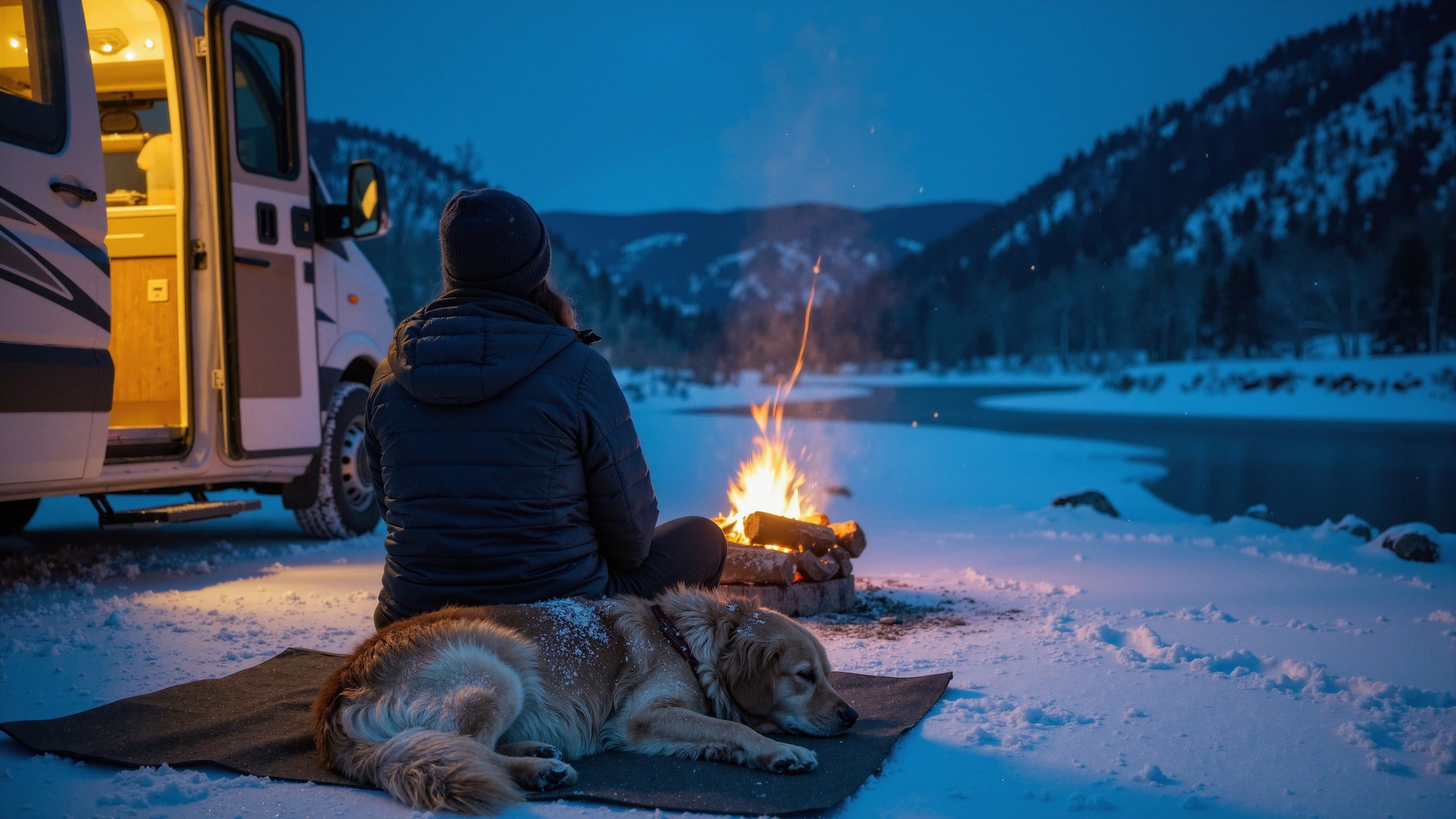
Winter camping brings a special kind of magic—frost-covered forests, quiet campgrounds, and star-filled skies that feel brighter in the cold. But experienced RVers know that winter also brings real risks, especially when temperatures drop unexpectedly.
Even if you’ve mastered how to keep a camper warm in the winter, you can still find yourself stranded in the snow with systems that won’t cooperate. That’s when roadside coverage becomes more than a backup plan—it becomes your lifeline.
When your RV refuses to move in freezing weather, understanding what your roadside plan actually includes can be the difference between a minor hiccup and a winter disaster. Here’s what you can expect when the snow piles up and your rig won’t budge.
Why Winter Breakdowns Are Different
Cold temperatures put strain on every part of your RV—from the engine to the batteries to the slides and seals. Unlike warm-weather breakdowns, winter issues tend to happen suddenly and without warning.
You might run into:
- Frozen fuel lines
- Dead or slow-cranking batteries
- Gelled diesel fuel
- Stuck slide-outs
- Frozen locks and compartments
- Propane system trouble impacting heat
Even fully winterized rigs can struggle. A few degrees difference can flip a switch from “everything is working fine” to “nothing starts and nothing opens.” That’s why knowing what your roadside assistance truly covers is essential for safe winter travel.
What Roadside Assistance Can Do for You in Winter
When the snow starts falling and your RV stops cooperating, here’s how your roadside coverage steps in to help:
1. Emergency Battery Boosts
A drained battery is one of the most common winter RV issues. Roadside teams can test your battery, provide a jump, or even install a new one depending on your coverage.
2. Fuel Delivery & De-Geling Help
Diesel rigs are notorious for fuel gelling in low temperatures. Many roadside plans include fuel delivery with anti-gel additives or guidance to get your engine running safely again.
3. Specialized RV Towing
Towing a Class A motorhome in winter conditions requires the right equipment—and the right team. RV-specific roadside coverage ensures you’re not stuck searching for a tow company that can handle your rig’s size and weight.
4. Assistance With Frozen or Stuck Components
Cold weather can freeze door locks, stiffen jacks, and stop slide-outs from retracting. While not every issue is covered, many RV-focused plans include help with common cold-weather malfunctions that standard auto plans don’t touch.
5. On-Site Troubleshooting
Many winter RV issues don’t require towing. A skilled roadside technician can diagnose the problem on-site and often get you back on the road in minutes.
The Winter Reality: Delays, Safety Risks & Added Costs
Being stranded in the snow isn’t just inconvenient — it can be dangerous. Winter conditions create:
- Reduced visibility
- Slippery roads
- Limited access to help in remote areas
- Higher towing costs due to specialized equipment
- Cold exposure risks while waiting for assistance
Without roadside coverage, a winter breakdown can quickly turn into a stressful, expensive ordeal. With it, you know exactly who to call and what help is coming.
Final Thoughts: How to Keep a Camper Warm in the Winter—And Protected All Season Long
Learning how to keep a camper warm in the winter is important, but knowing how to stay protected when the unexpected happens is even more essential. Winter RV travel should feel peaceful, not stressful. With the right roadside coverage, you’re never alone in the snow—you always have help on the way.
Happy Camper Insurance is here to make winter adventures safer, smoother, and more enjoyable. Visit our website, schedule a demo, and get in touch to protect your RV travels all winter long and year-round.