
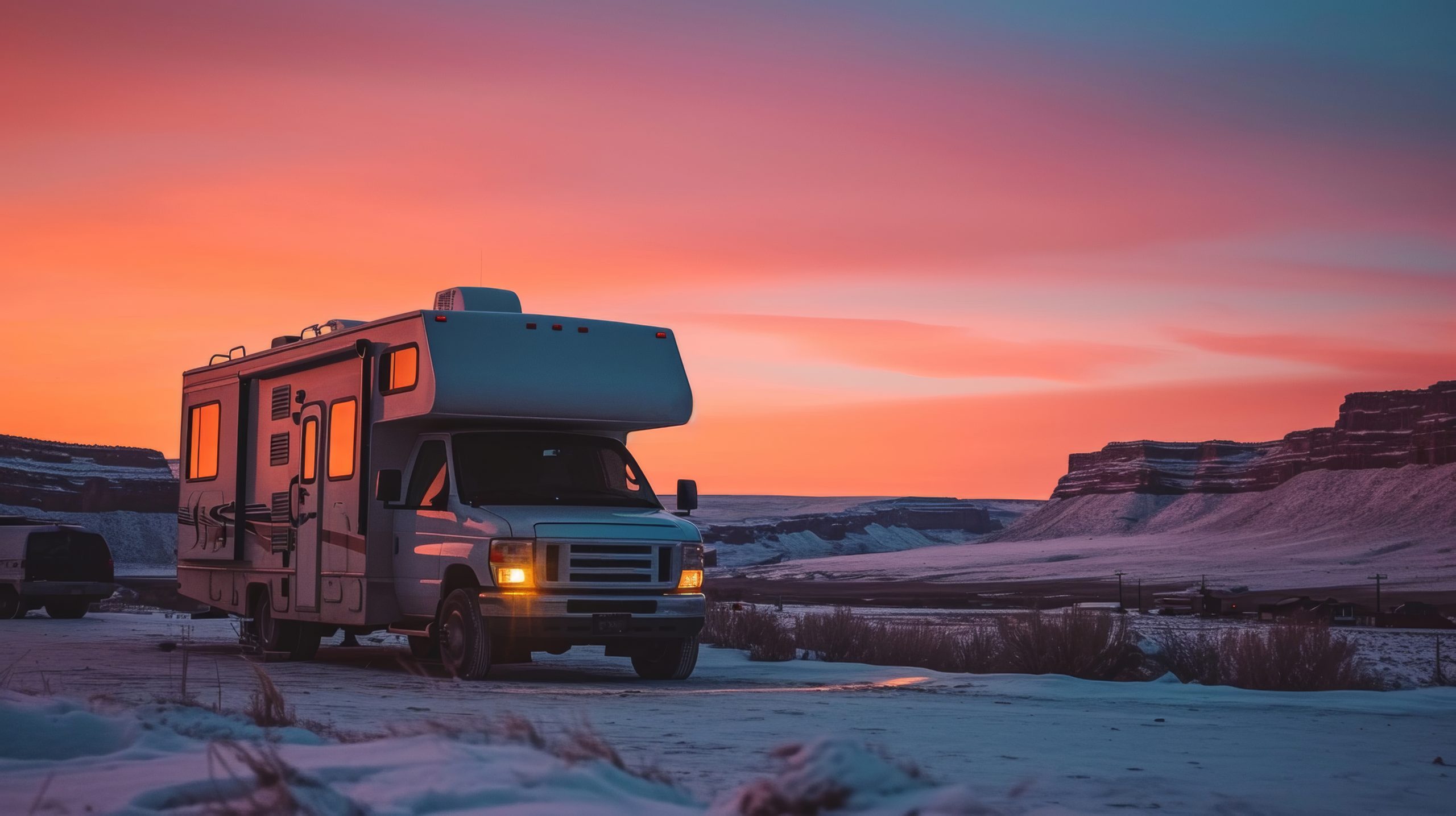
Full-time RV life doesn’t slow down when the temperature drops—it just changes shape. And for anyone embracing cold weather RV living, winter brings a brand-new set of insurance considerations.
From slippery roads to frozen pipes, the season introduces risks that don’t exist during summer travel. That’s why understanding how full-time RVers prep their coverage for winter is just as important as prepping their rig.
Why Winter Coverage Matters More Than You Think
Unlike seasonal campers, full-time RVers rely on their rig for everything—transportation, shelter, storage, and daily living. When cold weather hits, that “all-in-one” lifestyle becomes more vulnerable. Insurance needs shift, often requiring upgrades or additions that protect both mobility and habitability.
Some of the most common winter-related risks include:
- Freeze damage: Plumbing and tanks can crack if temperatures fall below freezing.
- Road hazards: Black ice, snowpack, and decreased visibility increase the chance of collisions.
- Roof and slide-topper stress: Snow accumulation can lead to roof sagging or tears in awnings.
- Heating system failures: A broken furnace or unsafe backup heater creates both comfort and fire-safety concerns.
Because full-time RVers can’t simply “go home” when something goes wrong, ensuring their policy covers these realities is essential.
What Full-Time RVers Do to Stay Protected All Winter
1. They Upgrade to Full-Timer Coverage
Standard RV insurance isn’t designed for people who live in their rig year-round. Full-timer coverage acts more like homeowners insurance, covering personal liability, medical payments, and belongings inside the RV. This is especially important during winter when you’re inside more often and hosting friends, neighbors, or campground staff.
2. They Add Comprehensive Protection for Weather Events
Storms, falling branches, wind damage, and winter-related issues like ice damming can create expensive repairs. Full-time RVers often add or confirm:
- Comprehensive coverage
- Emergency expense coverage
- Roadside assistance tailored for large rigs
- Coverage for personal items that would typically fall under homeowners policies
3. They Review Their Roof, Undercarriage, and Seal Coverage
Winter is unforgiving on seals, slideouts, and roofs. Serious RVers make sure their policy includes water intrusion protection and clearly outlines what winter-related damage is covered (and what is not).
4. They Reassess Storage Plans
Some full-timers temporarily “hibernate” their RV when staying stationary for the season. Others rely on a combination of winter travel and short-term storage. Both situations require proper insurance:
- Storage coverage for those parking long-term
- Travel protection for snowbird routes or mountain travel
- Full replacement cost coverage if the rig is newer or fully remodeled
5. They Ask About Special Winter Add-Ons
Many don’t realize carriers offer additional protections such as:
- Vacation liability extensions
- Coverage for aftermarket modifications (skirting, upgraded furnaces, solar solutions)
- Full-timer personal effects riders
These can make a major difference when living through harsh winters.
Why Now Is the Perfect Time to Review Your Policy
As you prep your rig for the cold season—insulating hoses, wrapping pipes, sealing drafts, and leveling for winter—you should be prepping your insurance the same way. Cold weather brings unpredictable situations, and the worst-case scenario is discovering a coverage gap after the damage is done.
Whether you’re heading south, settling into a long-term winter campsite, or embracing the beauty of snowy landscapes, the right policy is essential for safe and stress-free cold weather RV living.
Winter is coming—make sure you and your rig are ready for it. Get in touch with Happy Camper Insurance today and let us help you stay fully protected for full-time RV living this season.