
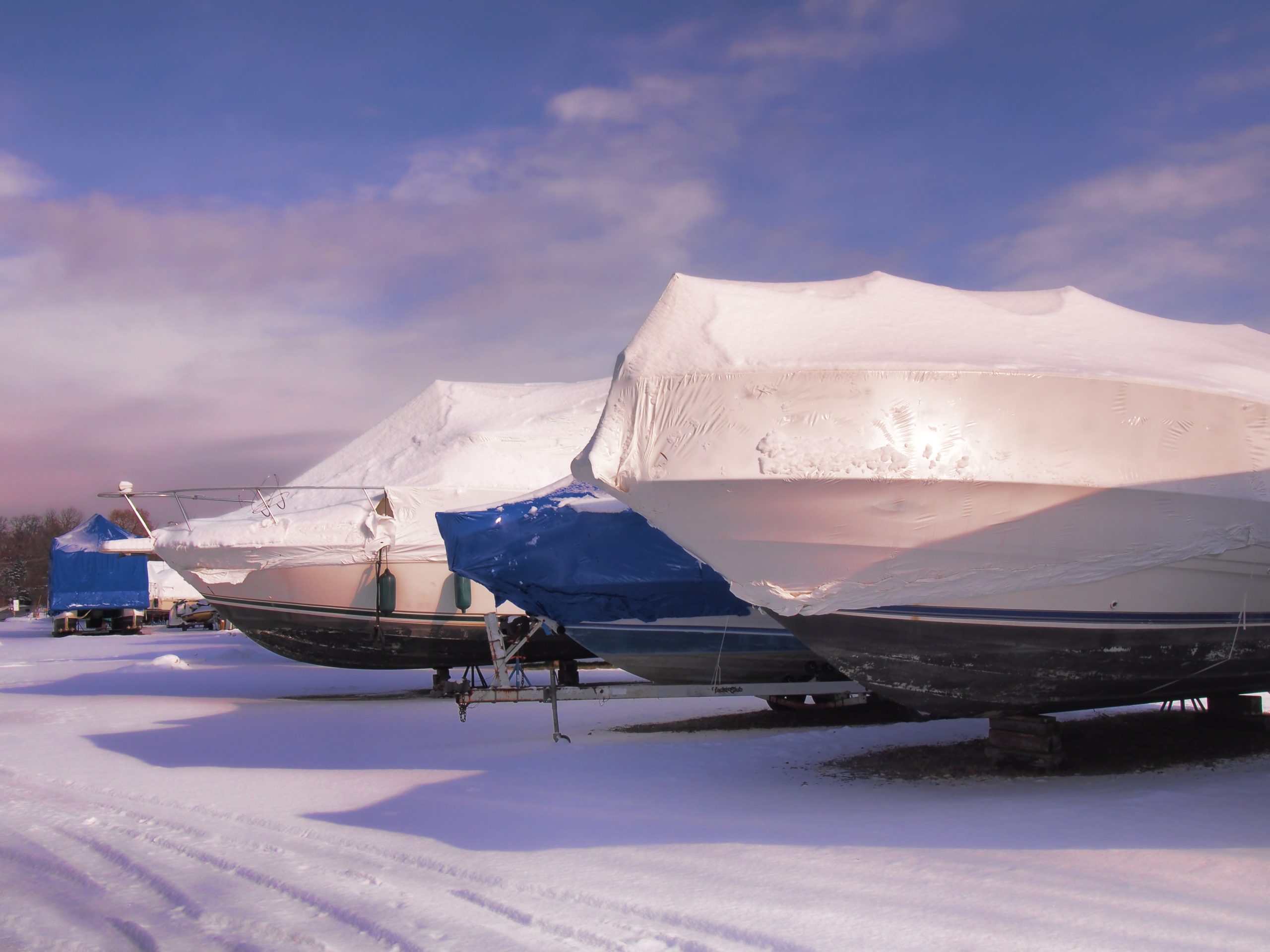
When temperatures drop, engines struggle—and batteries take the hardest hit. Whether you’re gearing up for road trips, snowmobiling through powder, or preparing your vessel for boat winterization and storage, cold weather puts your RV, boat, and powersports vehicle at a much higher risk of battery failure.
A weak or dead battery can derail travel plans, cause unexpected breakdowns, and lead to expensive replacements if you don’t catch the signs early. Understanding how cold weather affects batteries—and how to protect them—can save you serious time, money, and frustration throughout the winter season.
Why Batteries Fail in Cold Weather
Cold temperatures slow down the chemical reactions inside a battery, reducing its ability to hold a charge. Even healthy batteries can lose over half of their capacity during freezing conditions. Combine this with increased demand from heaters, electronics, and cold-engine cranking, and you have the perfect recipe for winter failure.
This risk impacts all recreational vehicles, including:
- Motorhomes and travel trailers
- Boats preparing for winter storage
- ATVs, UTVs, and snowmobiles
- Personal watercraft
- Motorcycles
Any vehicle stored outdoors or used in cold climates needs winter-specific battery care.
1. Test and Inspect Before Temperatures Drop
A simple battery load test can reveal early signs of weakness. Check for:
- Slow cranking
- Dim lights
- Corroded terminals
- Swelling around the battery case
For boats, complete this step as part of your boat winterization and storage checklist to avoid storing a battery that’s already compromised.
2. Keep Batteries Fully Charged
Partially charged batteries freeze much faster than fully charged ones. A smart charger or trickle charger is one of the easiest ways to maintain optimal charge levels during storage.
For RVs and powersports vehicles, disconnecting the battery before long-term storage prevents parasitic drains from onboard electronics.
3. Store Batteries in a Temperature-Controlled Environment
When possible, remove batteries and store them indoors. Ideal storage temperatures fall between 50°F and 70°F. Extreme cold accelerates capacity loss, while extreme heat shortens lifespan—making climate control essential.
For watercraft owners, removing the battery during boat winterization and storage protects against freezing and corrosion.
4. Clean and Protect Your Connections
Corrosion on terminals reduces connection strength and makes batteries work harder during cold starts. Clean terminals with a baking soda solution, then apply dielectric grease or terminal protectant spray to prevent future buildup.
5. Use Insulating Wraps or Battery Blankets
For vehicles that must remain outdoors, insulated battery blankets or wraps provide a simple, inexpensive layer of cold protection. These can significantly extend battery health during sub-zero temperatures.
6. Start Engines Periodically During Storage
Leaving a battery unused for months leads to sulfation and premature failure. Starting your RV, boat, snowmobile, or ATV periodically allows the alternator to recharge the battery and keeps internal components lubricated.
Just make sure all safety precautions are followed—especially with boats stored indoors.
7. Replace Aging Batteries Before Winter
If your battery is more than 4–5 years old, winter is likely to expose its weaknesses. Replacing it pre-season is cheaper than paying for emergency towing or losing a trip to a preventable breakdown.
Final Thoughts: Protect Your Power This Winter
Cold weather doesn’t just test your vehicle—it tests your preparation. From RV travel to snowmobiling to boat winterization and storage, taking steps to protect your battery now can prevent breakdowns, costly repairs, and ruined winter plans. A strong battery means smoother starts, safer travel, and fewer surprises when the temperature drops.
If you want to make sure you—and your vehicles—are winter-ready, get in touch with the experts at Happy Camper Insurance. We’ll help you ensure your seasonal coverage and protection plans are in place so you can enjoy winter with confidence.