
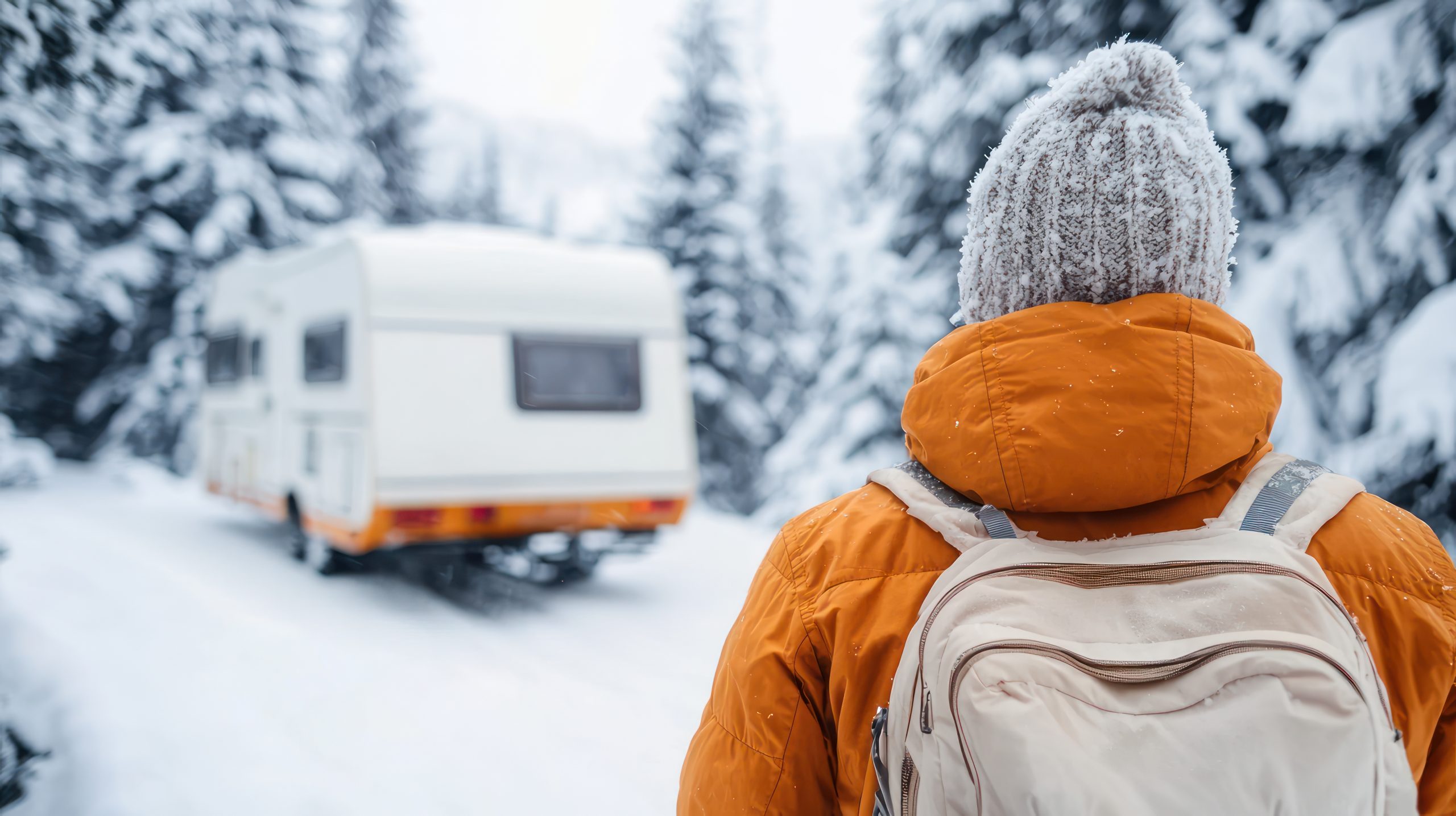
When people think about winter RV living, they usually focus on cold weather, frozen pipes, and the logistics of storage or seasonal travel. What many owners don’t expect are the claims that happen when their RV, boat, or powersport vehicle isn’t being driven at all.
Each winter, insurers see a steady stream of losses that surprise owners because they occur quietly, out of sight, and far from the road or water. Understanding these off-season risks can help you protect your vehicle and avoid expensive repairs when spring arrives.
Winter RV Living: Why Claims Look Different
During peak travel season, most insurance claims involve collisions, towing incidents, or weather encountered while on the move. In winter, the risk profile shifts. Vehicles are parked longer, inspected less frequently, and exposed to environmental conditions that can cause damage over time. Instead of sudden accidents, winter losses tend to be gradual, hidden, and often discovered weeks or months after they begin.
These claims typically fall under comprehensive coverage, not collision. That means owners who reduce coverage too aggressively during the off-season may be caught off guard when something goes wrong.
Frozen Systems and Water Damage
One of the most common winter claims comes from freezing. Even a small amount of water left in plumbing lines, tanks, or pumps can expand when temperatures drop, causing cracks that are invisible until the system is pressurized again.
What makes these claims so frustrating is timing. Many owners don’t notice the damage until they de-winterize in the spring. By then, repairs can involve multiple components, water damage to flooring or cabinetry, and costly labor.
Proper winterization reduces risk, but insurance coverage is what protects you when a mistake, unexpected cold snap, or equipment failure still leads to damage.
Rodents and Unseen Intruders
Another category of winter claims that surprises owners involves rodents. Mice, squirrels, and other animals seek warmth and shelter during colder months, and RVs, boats, and stored powersport vehicles are ideal environments.
Common rodent-related damage includes:
- Chewed wiring and insulation
- Nesting inside engine compartments or HVAC systems
- Damage to upholstery and interior panels
Because this type of damage happens while the vehicle is parked, it’s not something most owners anticipate. Repairs can be extensive, especially when electrical systems are affected.
Theft and Vandalism in Storage
When vehicles are left unattended for long periods, theft and vandalism become more likely. Storage yards, remote properties, and even residential driveways can attract unwanted attention during the winter.
Typical claims include:
- Stolen batteries, generators, or catalytic components
- Break-ins resulting in interior damage
- Entire vehicles or trailers being taken from unsecured locations
These losses often come as a shock because owners assume that “not using” their vehicle makes it less of a target. In reality, reduced visibility and fewer regular check-ins can increase risk.
Weather Damage That Isn’t Obvious
Winter weather causes more than frozen pipes. Snow load can stress roofs, awnings, and slide-outs. Ice buildup can compromise seals, allowing moisture to enter the interior. Falling branches or wind-driven debris can damage roofs and windows without immediately drawing attention.
Unlike a visible accident, these issues may go unnoticed for months. By the time an owner returns, what started as minor damage may have turned into mold, structural deterioration, or electrical problems.
Liability Claims While Parked
Perhaps the most unexpected winter claims involve liability. Many owners assume liability disappears when their vehicle is not being driven. In reality, a parked RV or stored boat can still create exposure.
Examples include:
- A visitor slipping on ice near your RV
- A storm causing your RV or trailer to shift and damage another property
- Equipment or components falling and causing injury
These situations don’t involve travel, but they can still result in claims that affect your finances if coverage isn’t properly structured.
Why These Claims Catch Owners Off Guard
Most winter losses don’t happen in a single moment. They develop quietly while the vehicle sits. Because there is no accident scene, no warning lights, and no immediate disruption, owners often assume everything is fine—until they return and discover the damage.
This is why comprehensive coverage and thoughtful off-season planning are so important. Insurance is designed to protect against the unexpected, especially when you aren’t actively using your vehicle.
Winter RV Living: How to Reduce Risk During the Off-Season
While no plan eliminates all risk, a few smart steps can make a difference:
- Winterize systems thoroughly and verify before temperatures drop
- Check on your vehicle periodically during storage
- Use secure storage and visible deterrents when possible
- Keep comprehensive coverage in place even when not driving
The goal is not just to store your RV, but to protect it while it’s out of sight.
Protection for the Season You’re Not Traveling
For anyone navigating winter RV living, the biggest surprises often come from what happens when your vehicle isn’t moving at all. Frozen systems, rodents, theft, weather damage, and liability claims rarely make the winter checklist, but they account for many of the most costly off-season losses.
For winter RV living protection and for all your RV, boat, and powersport insurance needs, contact Happy Camper Insurance today. We help owners prepare for every season of use, so whether your vehicle is parked for the winter or ready for the next trip, you can protect what matters most with confidence.