
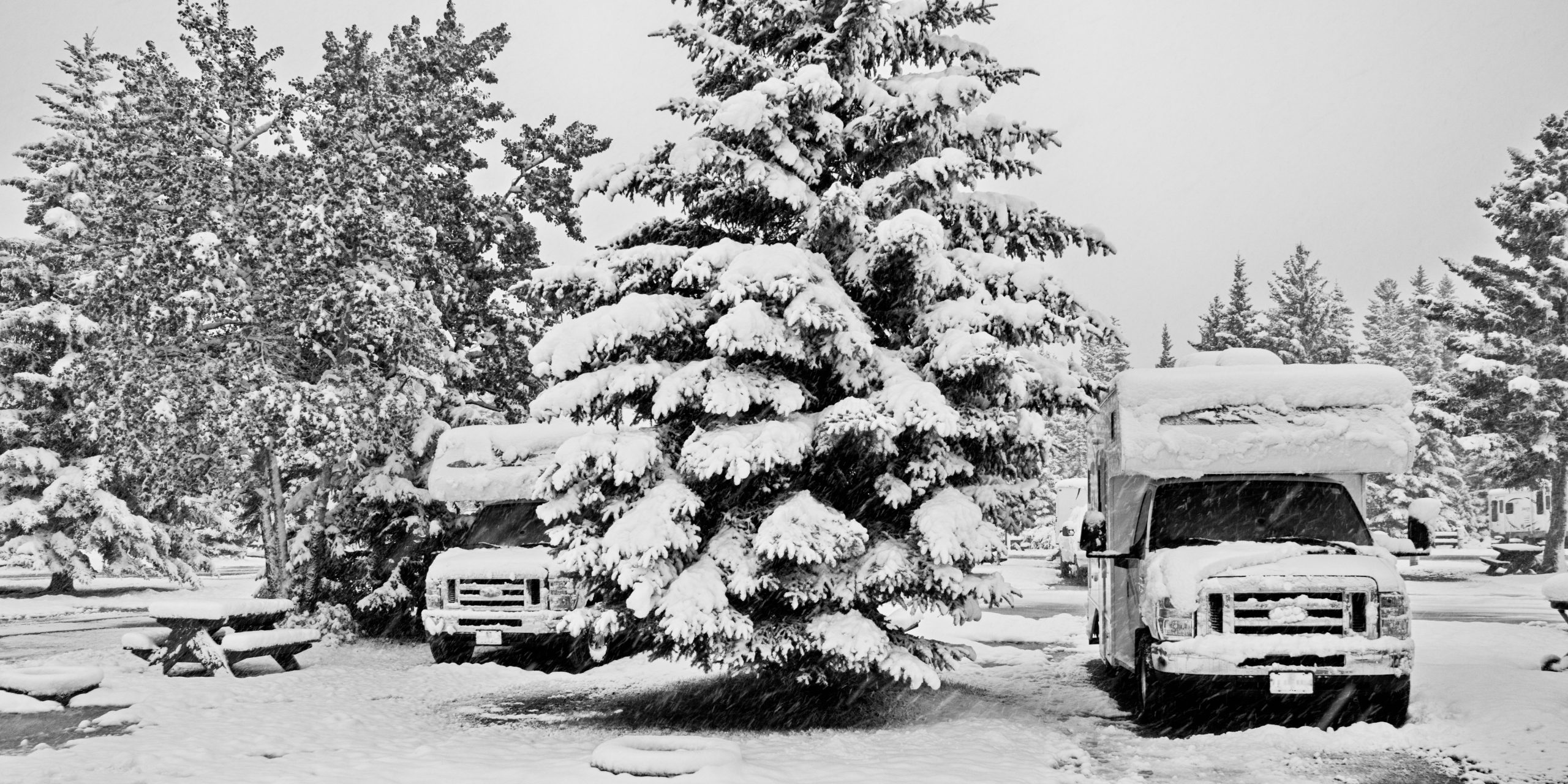
When people think about cold-weather RV living, they usually focus on frozen pipes, snow buildup, and how to protect their vehicle from winter damage. What often gets overlooked is liability. Even when your RV, boat, or trailer is parked and not being used, it can still create real risk if someone is injured around it. Understanding how liability works during the off-season can help you avoid legal and financial surprises long after the road and water have gone quiet.
Cold Weather RV LIving: Why Liability Doesn’t Disappear in Winter
Many owners assume that if their vehicle isn’t being driven, their exposure disappears. From an insurance standpoint, that isn’t true. Liability is not limited to operating a vehicle. It applies whenever your property creates a condition that results in injury or damage to someone else.
During the winter, recreational vehicles are often stored in driveways, side yards, storage facilities, or seasonal lots. While they may seem inactive, these vehicles still occupy space, create physical obstacles, and interact with their surroundings. If someone is hurt because of where or how your RV, boat, or trailer is stored, liability coverage may come into play.
Common Winter Liability Scenarios
Off-season injuries tend to be less obvious than on-the-road accidents, but they can be just as costly. Some of the most common winter liability situations include:
Slips and falls near stored vehicles
Snow, ice, and poor visibility can make walkways hazardous. If a visitor, delivery driver, or neighbor slips near your parked RV or trailer, you could be held responsible—especially if the vehicle’s placement contributed to the unsafe condition.
Children or guests climbing on stored equipment
Parked RVs, boats, and trailers can look like harmless structures to kids or curious visitors. Falls from ladders, steps, roofs, or attached equipment can result in injuries that trigger liability claims.
Property damage caused by shifting or unsecured vehicles
Heavy snow, wind, or ice can cause a poorly secured trailer or RV to shift, roll, or fall. If your stored vehicle damages a neighbor’s fence, building, or parked car, liability coverage may be needed.
Equipment or components causing injury
Loose steps, awnings, or accessories can become hazards during storms. If something detaches and injures someone or damages property, the financial responsibility may fall on you.
How Insurance Handles Off-Season Liability
Liability coverage is designed to protect you when you are legally responsible for injury or damage to others. While every policy is different, liability can apply even when your RV or boat is not in use, depending on how and where it is stored.
Insurance providers look at several factors when evaluating winter liability claims:
- Location: Is the vehicle on your private property, a shared lot, or a public area?
- Access: Who has access to the vehicle and the surrounding space?
- Maintenance: Was the area reasonably maintained, such as snow removal or securing equipment?
- Circumstances: Was the injury caused by negligence, weather conditions, or an unavoidable accident?
This is why simply “not driving” does not automatically eliminate risk. Your responsibility as an owner extends beyond the road or water.
Why These Claims Catch Owners Off Guard
Winter liability claims are unexpected because they don’t involve travel. There’s no accident scene, no traffic report, and no obvious connection to “vehicle use.” As a result, many owners never consider whether their insurance still protects them in these scenarios.
Another reason these claims are surprising is timing. An injury might occur while your RV is stored, but the legal or financial impact may not surface until much later. Without proper coverage, even a minor incident can lead to significant out-of-pocket costs.
Reducing Your Liability Exposure During Winter
While you can’t eliminate every risk, there are practical steps you can take to reduce liability during the off-season:
- Store vehicles in secure, well-maintained areas whenever possible
- Remove or stabilize steps, ladders, and accessories that could cause falls
- Keep walkways around stored vehicles clear of snow and ice
- Secure trailers and boats against movement in high winds or heavy snow
- Limit unauthorized access to stored equipment
Insurance should complement these precautions, not replace them.
Why the Right Coverage Still Matters
Liability claims can involve medical bills, property repairs, legal costs, and potential settlements. Without the right coverage, these expenses fall directly on you. Maintaining appropriate liability protection—even when your RV, boat, or trailer is parked—is a critical part of responsible ownership.
Winter may feel like a “low-risk” season because travel slows down, but in many ways it introduces risks that are easier to overlook and harder to predict.
Protecting More Than Just Your Vehicle
For anyone managing cold-weather RV living, protection isn’t only about preventing frozen pipes or weather damage. It’s also about safeguarding yourself financially if someone is hurt around your stored RV, boat, or trailer.
For cold-weather RV living guidance and for all your RV, boat, and powersport insurance needs, contact Happy Camper Insurance today. We help owners understand their real-world risks in every season, so whether your vehicle is on the road or parked for the winter, you can protect what matters most with confidence.