
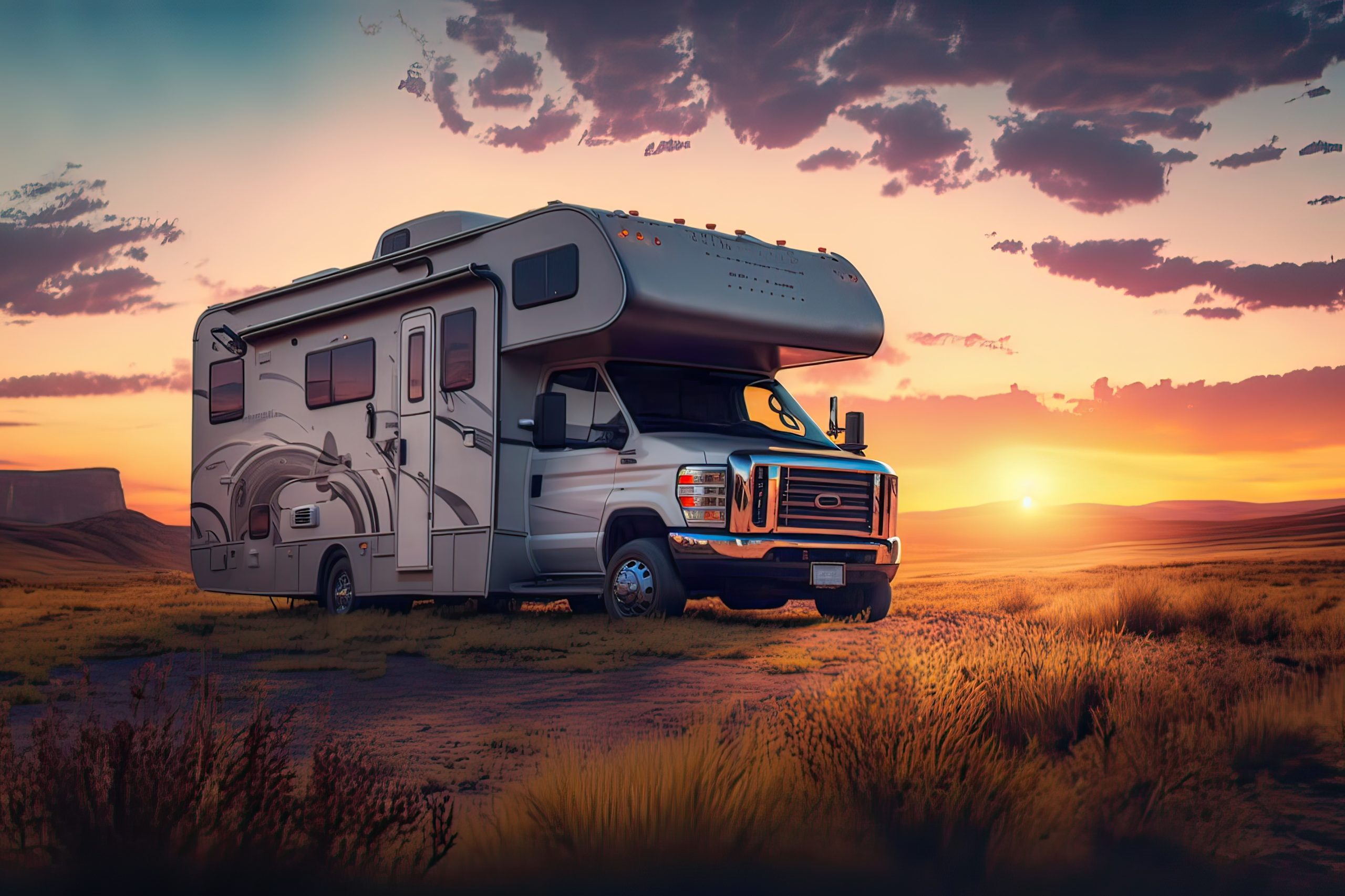
Spring marks an exciting shift for RV owners. After months of storage, vehicles are back on the road, trailers are being towed, and trips start filling the calendar again. But while maintenance and trip planning often take center stage, insurance readiness is just as important. One of the most overlooked lessons in any RV beginner’s guide is understanding how your policy needs to change when you move from storage to active use.
Insurance coverage that made sense during winter may not fully protect you once driving, towing, and traveling resume. Knowing what changes and when to review your policy can help prevent costly gaps just as the season begins.
Storage Coverage vs. Driving Coverage
During the off-season, many RV owners reduce coverage to save money. Storage-focused policies often limit liability, collision, or usage-based protections because the vehicle is not being driven.
Once spring arrives and your RV is back on the road, those limits can become a problem if they are not adjusted. Collision coverage, roadside assistance, and liability protections are especially important once you start driving again.
A common mistake for newer owners is assuming coverage automatically updates with the season. In reality, most policies require a review or adjustment before use resumes.
Towing Changes the Risk Profile
Spring often means towing campers, boats, utility trailers, or powersports vehicles. Towing introduces new risks that are not always fully covered under a standard policy unless properly reviewed.
Questions to consider include whether the trailer itself is insured, how liability applies while towing, and whether damage caused during hitching, backing, or parking is covered. If your setup has changed since last season, your policy may no longer reflect your real-world usage.
This is especially important for beginners who may be towing for the first time or upgrading to a larger trailer.
Liability Exposure Increases Immediately
When an RV sits in storage, liability exposure is minimal. Once you’re driving, parking, or camping around others, that exposure increases instantly.
Spring travel often includes crowded campgrounds, unfamiliar roads, and unpredictable weather. Liability limits that felt sufficient during winter may be inadequate once active use begins.
An important part of any RV beginner’s guide is recognizing that liability coverage protects not just your vehicle but also your finances if an accident involves other people or property.
Upgrades and Accessories May Not Be Covered
Spring is also the season when owners add accessories. Bike racks, cargo carriers, awnings, electronics, solar panels, and interior upgrades are common before the first trip of the year.
Many of these additions are not automatically covered unless they are listed on your policy. If upgrades were added after your last review, they may be uninsured.
This gap often surprises new RV owners who assume everything attached to the RV is protected by default.
Roadside Assistance and Emergency Coverage
Breakdowns are most common early in the season when vehicles are coming out of storage. Batteries fail, tires deteriorate, and mechanical issues appear once systems are under load again.
If roadside assistance or towing coverage was removed or reduced during winter, you may not have support when you need it most. Spring trips often involve longer drives and fewer nearby service options, making this coverage especially valuable.
Weather and Seasonal Risk Returns
Spring brings rain, storms, flooding, and unpredictable conditions. Driving and towing during these conditions increases the risk of damage compared to winter storage.
If your policy was adjusted for limited exposure, comprehensive coverage may need to be revisited before travel resumes. This ensures protection against weather-related incidents that are far more common during spring use.
Start the Season With Confidence
Insurance should evolve with how you use your RV, not stay frozen in winter mode. One of the most important lessons in any RV beginner’s guide is that spring is the right time to review, update, and confirm your coverage before your first trip.
Happy Camper Insurance specializes in protecting RVs, boats, and powersports vehicles through every season of use. Explore your coverage options or contact Happy Camper Insurance today to make sure your policy is ready for driving, towing, and the adventures ahead. Because peace of mind should be part of every trip you take this spring.