
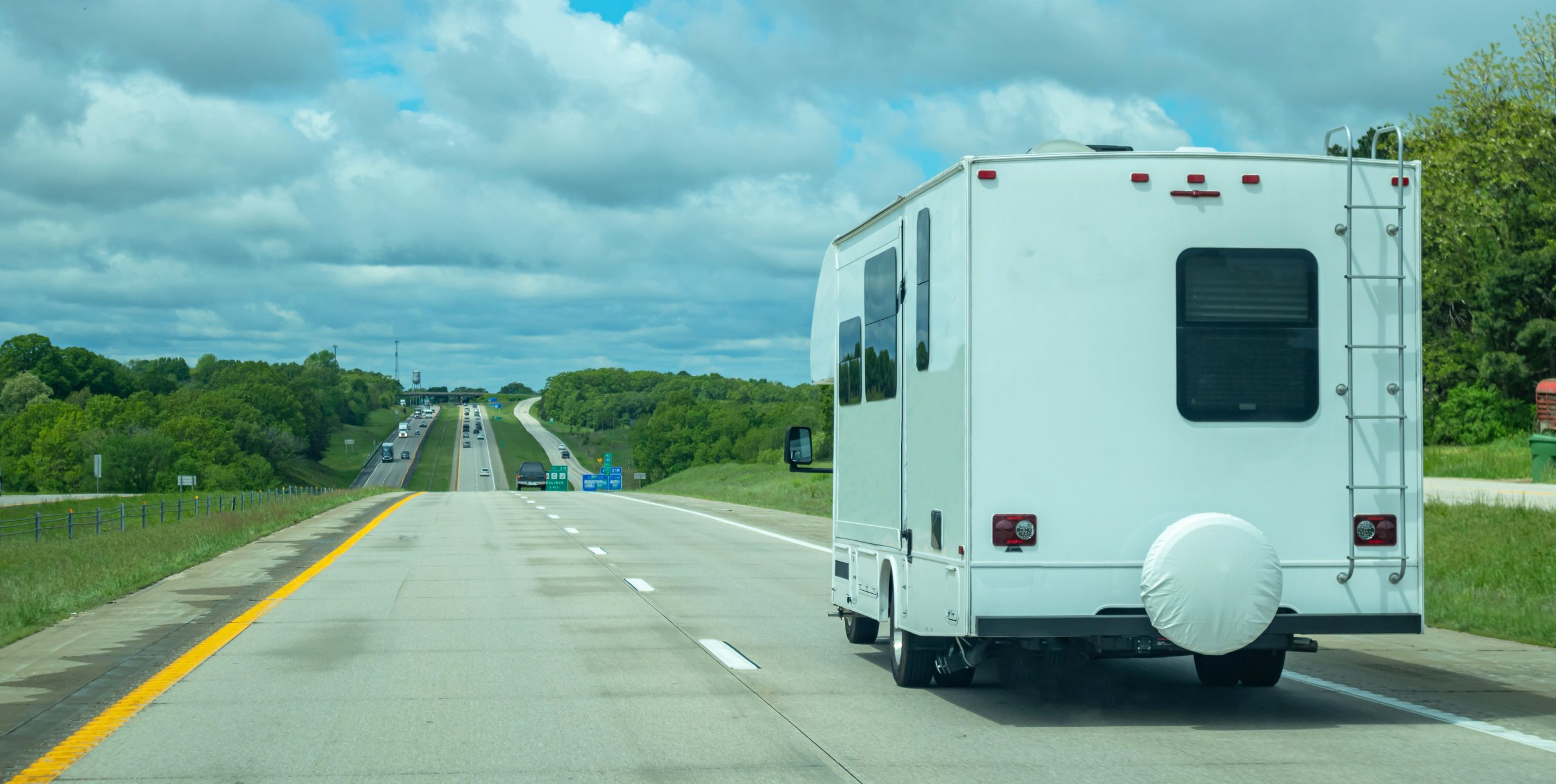
After a long RV winter, it’s tempting to rush the de-winterizing process and get back on the road. The weather breaks, campgrounds start opening, and excitement builds quickly. But moving too fast after an RV winter can lead to preventable damage—damage that may not always be covered by insurance. At Happy Camper Insurance, we often see claims that trace back to simple mistakes made during spring startup.
De-winterizing isn’t just about flushing antifreeze and turning the key. It’s about carefully reactivating every major system to prevent leaks, electrical failures, tire blowouts, and appliance issues. Here are the most common mistakes RV owners make—and how to avoid triggering denied claims.
Pressurizing the Water System Too Quickly
One of the biggest risks happens within minutes of reconnecting your water system. If antifreeze wasn’t fully cleared, fittings loosened during storage, or a line cracked during freezing temperatures, pressurizing too quickly can cause immediate leaks.
Water damage spreads fast, especially inside walls, under sinks, and beneath flooring. Insurance typically covers sudden and accidental damage. However, if an inspection shows long-term seepage or lack of maintenance, coverage can become complicated.
Before turning on your water pump:
- Inspect visible plumbing lines and fittings
- Tighten loose connections
- Replace brittle hoses
- Slowly repressurize the system
- Check carefully for leaks before sealing panels
Taking an extra 30 minutes here can prevent thousands in repairs.
Skipping Roof and Seal Inspections
Freeze-thaw cycles during winter storage can weaken roof seals, caulking, and seams. Even if your RV was covered, moisture intrusion is still possible.
Climb up and inspect:
- Roof seams and joints
- Around skylights and vents
- AC unit seals
- Ladder mounts and antenna bases
Small cracks should be resealed immediately. If water damage occurs and there is visible deterioration that wasn’t addressed, insurers may classify it as wear and tear rather than a covered event.
Documenting your inspection with photos is also a smart habit.
Ignoring Tire Condition
Tires lose pressure during storage and may develop sidewall cracking or flat spots. Driving on compromised tires increases the risk of blowouts and accidents.
Before your first trip:
- Check tire pressure against manufacturer recommendations
- Inspect sidewalls for cracks
- Measure tread depth
- Confirm tire age (many RV tires age out before they wear out)
If an accident occurs and unsafe tires contributed to the loss, it can complicate liability and coverage review.
Reconnecting Batteries Without Inspection
Batteries often suffer during winter storage. Corrosion, low electrolyte levels, or a full discharge can damage both the battery and connected electrical systems.
Before reconnecting:
- Clean corrosion from terminals
- Check electrolyte levels (if applicable)
- Fully charge batteries
- Test voltage output
Electrical damage caused by neglected battery maintenance may not fall under covered loss categories.
Testing Appliances All at Once
It’s common to turn everything on at once to “make sure it works.” This can overload systems and hide individual problems.
Instead:
- Test propane lines for leaks first
- Check carbon monoxide and propane detectors
- Clear vents of debris or nests
- Start appliances one at a time
If a fire or system failure occurs and maintenance steps were skipped, coverage questions can arise.
Maintenance vs. Insurance Protection
It’s important to understand that insurance is not a substitute for maintenance. Policies are designed to protect against sudden, unexpected events—not gradual deterioration or preventable neglect.
Keeping service records, maintenance logs, and photos of seasonal inspections helps demonstrate responsible ownership. That documentation can make a significant difference if you ever need to file a claim.
Start the Season the Right Way
A smooth transition out of RV winter protects more than your plumbing and tires—it protects your peace of mind. Taking the time to inspect, test, and document your de-winterizing process reduces the risk of denied claims and costly surprises.
Before you head out after RV winter, make sure your coverage matches how you actually use your RV. Whether you’re taking weekend trips or extended adventures, Happy Camper Insurance specializes in RV protection built for real-world travel.
Ready to review your policy before your next trip? Contact Happy Camper Insurance today and make sure your RV winter preparation is backed by the right protection.