
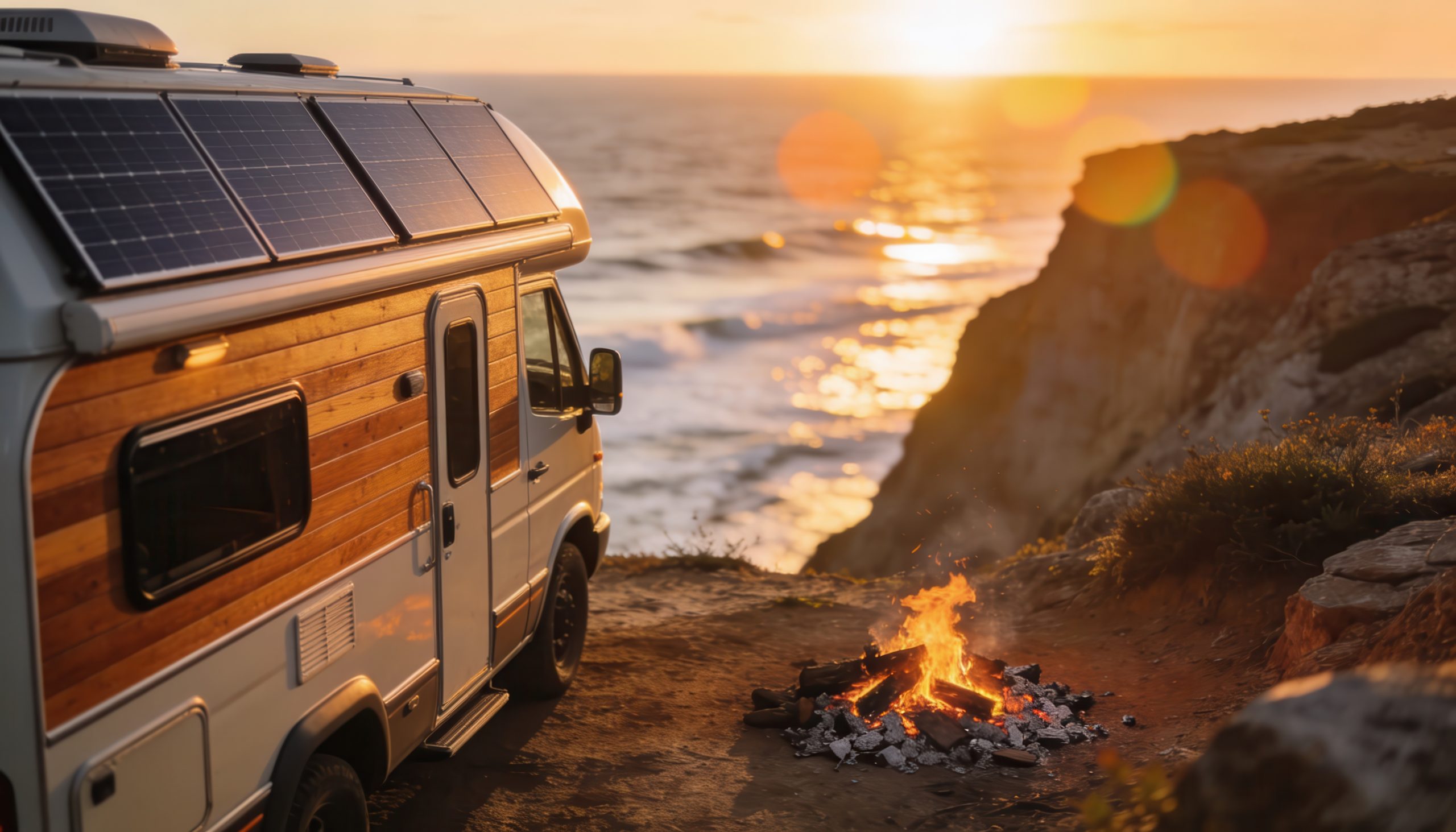
For many RV owners, spring signals the return of travel season and the chance to explore places that feel a little more remote. National forests, desert landscapes, and quiet lakeside pull-offs offer the kind of freedom that makes RV travel so appealing.
As more travelers venture beyond traditional campgrounds, it is helpful to keep a few spring RV tips in mind, especially when planning a boondocking trip where services and assistance may be limited.
Boondocking, often called off-grid camping, allows RV owners to park outside of established campgrounds without hookups or nearby amenities. While the experience can be peaceful and rewarding, it also introduces a different set of considerations compared with staying at a managed RV park.
Understanding how your insurance protection applies in these situations can help you feel more confident before heading off the grid.
Limited Access to Help
One of the biggest differences between boondocking and traditional campground travel is the distance from services. Many remote camping locations are far from paved roads, repair shops, or towing companies. If your RV becomes stuck, damaged, or experiences mechanical trouble, help may take longer to arrive or may require specialized equipment.
This is why roadside assistance coverage can be especially valuable for travelers who enjoy remote locations. Some plans include towing services that can reach vehicles on rough terrain or provide support when an RV becomes disabled far from major roads. Before leaving on a trip, reviewing what your policy includes can help you understand what type of assistance is available if something goes wrong.
Terrain and Environmental Risks
Spring travel conditions can change quickly depending on where you camp. Melting snow, muddy trails, and soft ground are common in many regions early in the season. While a scenic dirt road may seem manageable at first glance, heavy RVs can easily become stuck in wet soil or unstable terrain.
In addition to ground conditions, falling branches, shifting winds, or unexpected weather changes may create risks that are less common in developed campgrounds. When camping in remote areas, it is important to assess the environment carefully before setting up. Choosing level ground and avoiding areas with loose rocks or unstable trees can reduce the chances of accidental damage.
Fire and Generator Safety
Many off-grid campers rely on generators, propane systems, or outdoor cooking setups during their stay. These tools make remote travel comfortable, but they also require careful handling. Improper fuel storage or generator placement can increase fire risk, particularly in dry areas.
Before leaving home, it is helpful to inspect propane connections, electrical systems, and generator equipment. Small preventative steps such as keeping fire extinguishers accessible and maintaining safe distances between heat sources and the RV can go a long way toward protecting both your vehicle and the surrounding environment.
Protecting Your RV and Personal Belongings
Another factor to consider when camping off the grid is security. Remote areas may feel isolated, but they are not always completely private. Personal items such as outdoor equipment, bikes, or portable generators are sometimes left outside during boondocking trips.
Checking how your policy addresses personal belongings and attached accessories can help you understand what protection is available if something is lost or damaged. It is also wise to store valuables inside the RV when possible and use locks or security devices for equipment that must remain outdoors.
Spring RV Tips: Plan Ahead for Remote Travel
Boondocking can be one of the most rewarding ways to experience RV travel. The quiet landscapes, star-filled skies, and sense of independence create memorable moments that traditional campgrounds cannot always match. At the same time, traveling away from established facilities requires a bit more preparation.
Understanding how your insurance applies when camping in remote areas is an important part of that preparation. Reviewing your coverage, checking for roadside assistance options, and planning for environmental conditions can help reduce the chances of a stressful situation during your trip.
As you prepare for off-grid adventures this season, keeping a few practical spring RV tips in mind can help ensure your travels stay focused on exploration and relaxation. If you have questions about your policy or want to review your protection before heading out,
The Happy Camper can help you evaluate your coverage so you can enjoy every mile of the journey with greater peace of mind.