
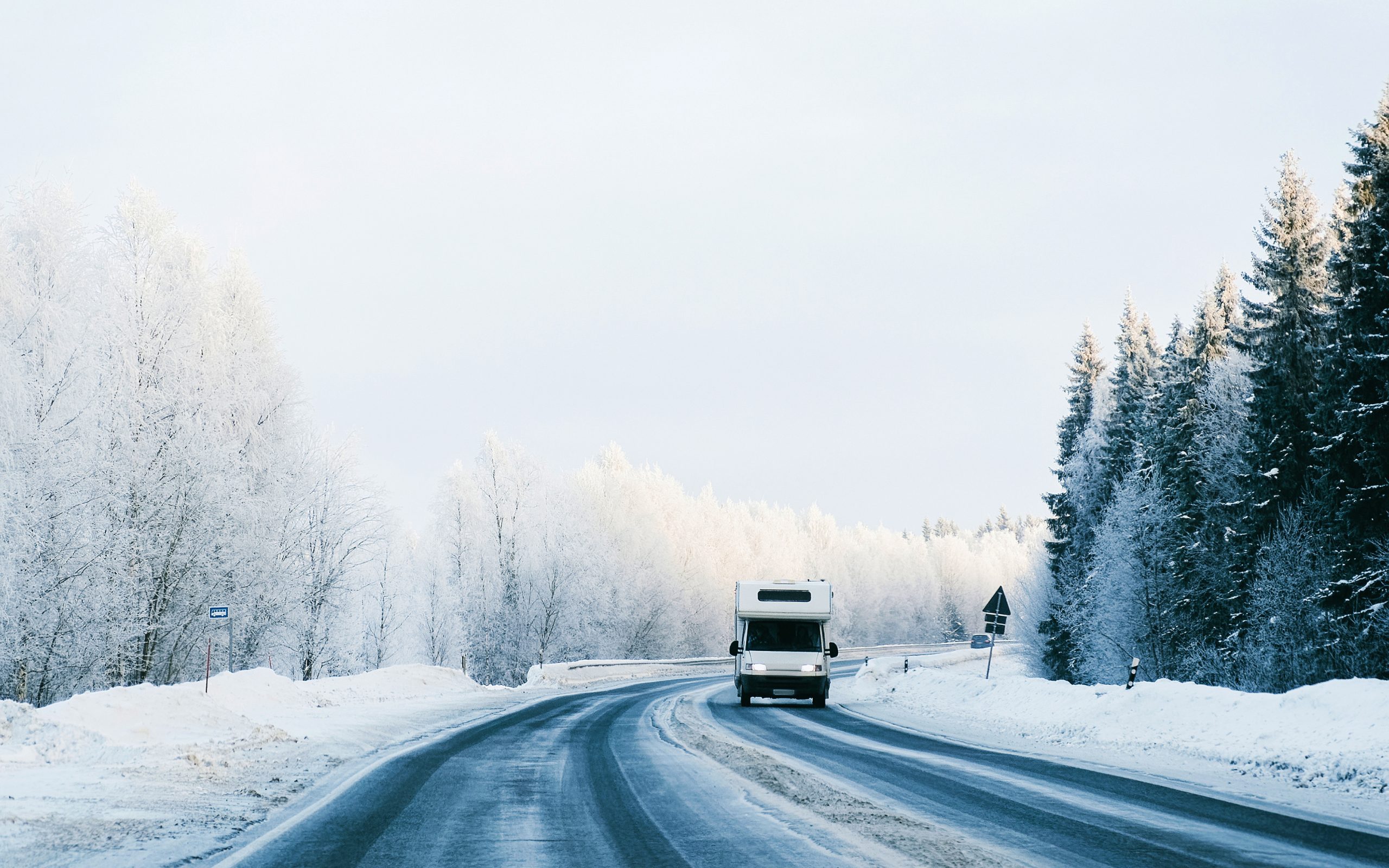
For many RV owners, winter doesn’t mean parking the rig—it means embracing cold-weather RV living and chasing quieter campgrounds, snowy landscapes, and off-season freedom. But while winter travel has its perks, it also brings a sharp rise in weather-related insurance claims.
Each year, insurers see predictable patterns emerge as freezing temperatures, snow, and ice put RVs and motorhomes to the test. Understanding these risks—and how to stay ahead of them—can mean the difference between a cozy winter adventure and a costly setback.
Why Winter Claims Spike Every Year
Cold weather introduces a perfect storm of conditions that stress RV systems beyond their usual limits. Pipes freeze. Batteries drain faster. Roads become slick. And even experienced travelers can be caught off guard by how quickly conditions change.
Some of the most common winter-related RV insurance claims include:
- Frozen and burst plumbing lines caused by inadequate insulation or lack of heat circulation
- Roof damage from heavy snow accumulation or ice dams
- Slide-out failures due to frozen seals or mechanical strain
- Battery and electrical system failures from prolonged cold exposure
- Accidents and collision claims from icy roads, reduced visibility, and longer stopping distances
These issues aren’t limited to full-timers. Even RVs in storage or parked between trips are vulnerable if they’re not properly winterized or monitored.
The Hidden Risks of Cold Weather RV Living
One of the biggest misconceptions about winter RVing is that problems happen slowly. In reality, cold-related damage often escalates fast. A single overnight temperature drop can crack a water line. Snow left on a roof for days can lead to leaks once it melts and refreezes. And a minor slide on ice can result in expensive body damage or towing needs.
Another overlooked risk is coverage gaps. Not all RV policies automatically include protections for things like emergency roadside assistance, temporary housing if your RV becomes uninhabitable, or damage that occurs while the RV is in winter storage. That’s why reviewing your policy before winter hits is just as important as winterizing the rig itself.
How to Stay Ahead of Winter Claims
The good news? Many winter claims are preventable with preparation and the right insurance coverage. Here’s how RV owners can reduce risk during the colder months:
- Winterize thoroughly—even if you’re traveling.
Heated hoses, insulated skirting, tank heaters, and proper airflow around plumbing can significantly reduce freeze risks. - Monitor your RV regularly.
Whether you’re living in it full-time or storing it, frequent checks help catch issues early—before small problems turn into major claims. - Clear snow and ice promptly.
Removing buildup from the roof, slide-outs, and awnings protects seals and prevents structural strain. - Adjust your driving habits.
Slow speeds, longer following distances, and weather-aware route planning can help avoid winter road accidents. - Review your insurance coverage before winter starts.
This is where many RV owners fall short. Coverage for cold-weather damage, towing, roadside assistance, and storage-related claims can vary widely.
Insurance That Travels With You—All Year Long
At Happy Camper Insurance, we see the seasonal claim trends every winter—and we also see how the right coverage makes all the difference. Whether you’re embracing full-time cold weather RV living, taking the occasional winter trip, or storing your RV until spring, your policy should be built for real-world conditions, not just fair-weather travel.
Before the next cold snap hits, take a moment to review your coverage and make sure you’re protected against winter’s most common risks. Contact Happy Camper Insurance today to talk with an RV insurance specialist who understands winter travel, storage challenges, and the unique needs of RV owners—so you can stay ahead of winter claims and focus on enjoying the journey, no matter the season.