
When temperatures drop, powersports enthusiasts pack away their machines and wait for the next riding season. But whether you ride the dunes, tear up the trails, or shred waves, how you store your equipment matters.
Many owners assume winter prep only applies to boats and RVs — but how to winterize a jet ski is just as important as prepping your ATVs and snowmobiles for off-season storage. Skip the steps, and you could be looking at expensive repairs, dead batteries, and insurance claims that may not be covered.
Winterization isn’t just about protecting your machines from the cold — it’s about protecting your investment and making sure your equipment fires up flawlessly when adventure season returns. From fuel systems and engines to belts and battery care, proper storage extends the life of your machines and prevents surprise maintenance costs in the spring.
Snowmobiles: Don’t Let Your Winter Workhorse Suffer in the Off-Season
If your snowmobile will sit for more than a few weeks once the trails melt, off-season prep matters. Key steps include:
- Cleaning and drying the machine thoroughly
- Fogging the engine to prevent corrosion
- Treating and stabilizing fuel
- Elevating the track to protect suspension
- Checking and lubricating chassis components
- Removing or maintaining the battery
Dust, moisture, and improper fuel storage can wreak havoc — even on machines built for freezing temps.
ATVs & Side-by-Sides: Mud Season Prep Starts Now
Whether your ATV is your summer toy or a year-round utility vehicle, winter storage helps avoid:
- Rust on frames and components
- Fuel system issues
- Battery drain
- Cracked plastics and dry rot in tires
Before storing your ATV or UTV:
- Wash and wax to protect paint and plastics
- Stabilize fuel and run the engine to circulate treatment
- Change oil and filters
- Grease fittings and moving parts
- Inflate tires or use stands to relieve pressure
- Disconnect or trickle-charge the battery
With proper prep, you’re ready to ride the moment spring hits.
How to Winterize a Jet Ski: What Many Owners Forget
Watercraft require special attention. If you’ve never learned how to winterize a jet ski, here’s a quick breakdown:
- Flush the cooling system with clean water
- Add antifreeze if recommended by manufacturer
- Stabilize fuel and run engine to circulate
- Fog cylinders to prevent corrosion
- Drain and dry bilge areas
- Remove battery and store in a warm, dry place
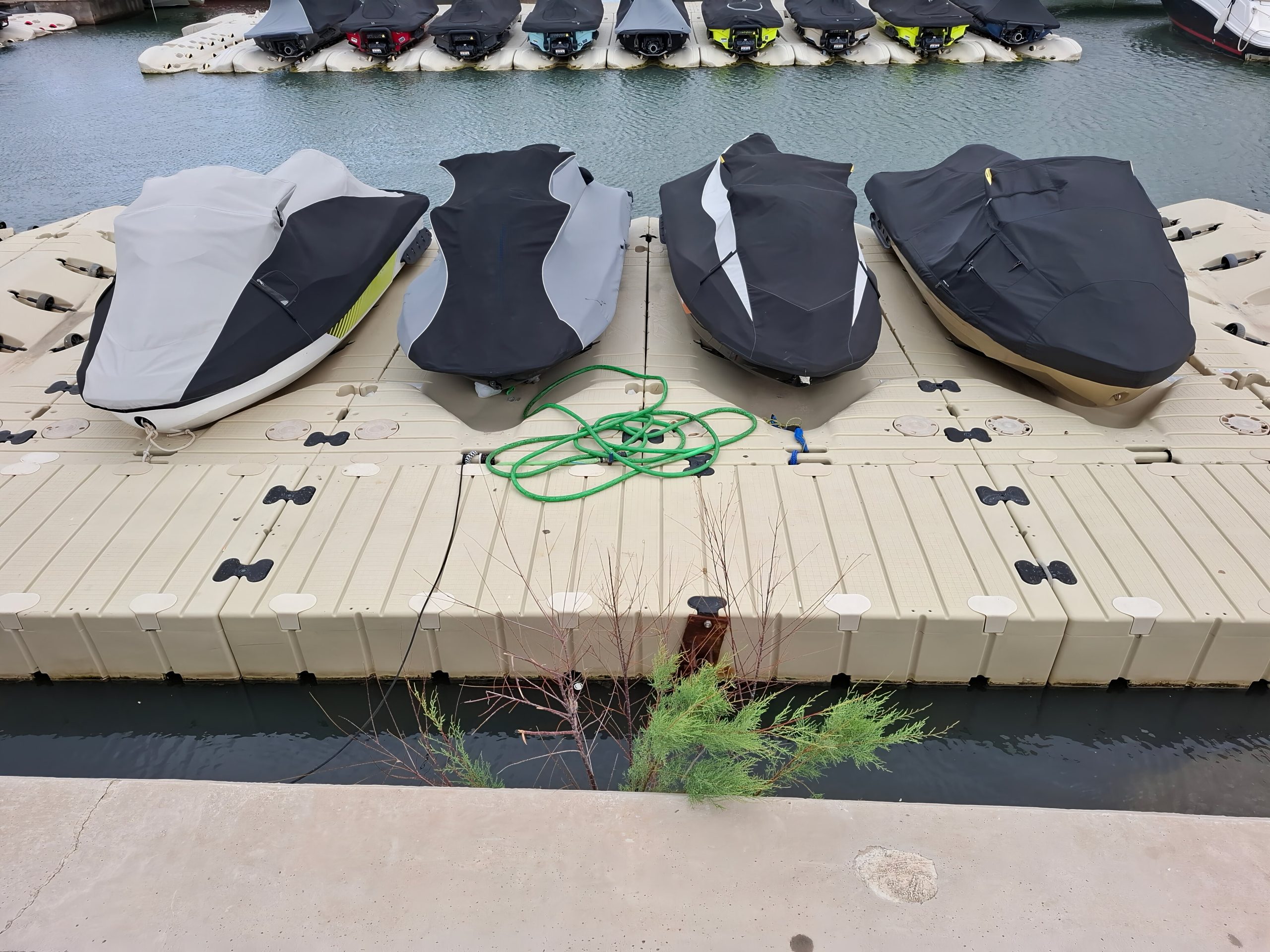
- Cover securely — even if stored indoors
Neglecting proper jet ski winterization can lead to frozen lines, cracked engines, electrical failures, and mold growth in tight compartments.
Storage Tips for All Powersports Vehicles
No matter what you ride, follow these universal rules:
- Store in a dry, climate-stable space
- Use breathable covers (avoid trapping moisture)
- Keep rodents away (steel wool in exhaust ports helps)
- Document maintenance — it can support insurance claims
A few hours of prep now can save you thousands later.
How to Winterize a Jet Ski: Protect Your Powersports Investment Year-Round
Your machines are meant for thrills — not costly off-season surprises. Whether you own a snowmobile, ATV, side-by-side, or PWC, know how to store them right and understand the real cost of skipping winter prep.
If you’ve ever wondered how long your machines will last, how reliable they’ll be in spring, or how to winterize a jet ski properly, the answer is simple: prevention pays off.
And while proper storage matters, insurance completes the protection plan. Winter storms, theft, trailers, and unexpected damage happen — even in storage.
Before you tuck away your toys for the season, make sure they’re fully protected. Contact Happy Camper Insurance to insure your powersports vehicles this winter and year-round, so when it’s time to ride again, you’re ready — and covered.