
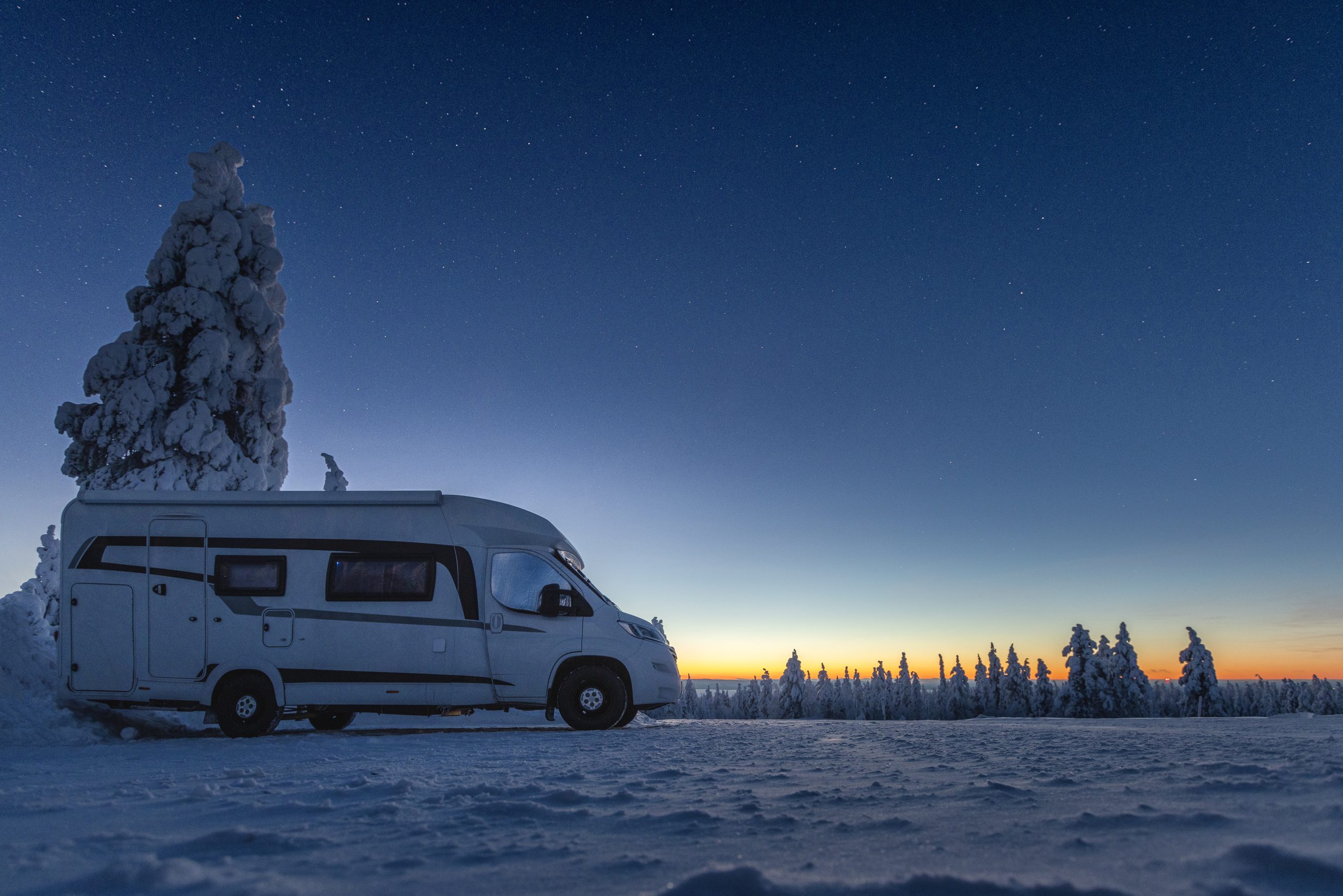
When temperatures drop and the first frost settles, RV living in the winter becomes a completely different adventure than warm-weather travel. The landscapes may be stunning and the destinations quieter, but the risks that come with freezing temperatures, icy roads, and unpredictable storms can quickly turn a cozy winter journey into a costly headache.
And while your standard RV policy may be perfectly fine for summer road trips, it simply isn’t built for the challenges that come with cold-season RV life. That’s why winter-specific coverage isn’t just recommended—it’s essential.
RV Living in the Winter: The First Freeze
Most RVers underestimate how dramatically their insurance needs shift once winter arrives. A standard policy is designed around moderate weather, steady travel conditions, and typical wear and tear—not the realities of freezing temperatures, extended heater use, slippery roads, or mechanical strain. The first freeze is often when unprotected RVs experience their earliest (and most expensive) damage, from burst pipes to cracked tanks to compromised interiors.
Preparing your RV is only half the job. Preparing your insurance is the other.
Winter Roads = Winter Risks
Traveling icy highways or snow-covered rural routes doesn’t just test your driving skills—it tests your coverage. Common winter claims involve:
- Collisions caused by black ice
- Slide-offs on unmaintained roads
- Damage from snow-packed undercarriages
- Accidents during low-visibility storms
Upgrading your coverage to include enhanced collision protection and roadside assistance ensures you’re not stranded—or stuck with an unexpected bill—when winter driving takes a turn.
Freeze Damage Is the Silent Budget Breaker
Ask any long-time winter RVer, and they’ll tell you freeze damage is the quickest way to lose thousands. Standard RV policies rarely cover:
- Burst water lines
- Cracked fresh or gray tanks
- Furnace failures
- Damage from thaw/refreeze cycles
Winterizing helps, but even perfectly prepared rigs can suffer damage when temperatures swing. Specialized freeze protection add-ons fill the coverage gaps that traditional RV insurance leaves open.
Full-Time and Seasonal RVers Need Extra Protection
For travelers embracing RV living in the winter full-time—or even part-time—your personal belongings, heating equipment, electronics, and plumbing systems face far harsher conditions than in summer. Additional winter coverage can extend protection to:
- Personal items damaged by extreme cold
- Auxiliary heating units
- Weather-related interior damage
- Extended stay liabilities at winter campgrounds
If your RV is your home this season, your coverage needs to function like homeowners insurance on wheels.
Your Toys Need Coverage, Too
Winter RVers often travel with snowmobiles, ATVs, ice fishing equipment, generators, or tow-behind cargo trailers. Standard RV insurance doesn’t automatically protect all the toys that make winter fun—so adding coverage for these items ensures everything you bring along is shielded against theft, damage, or transport-related issues.
RV Living in the Winter: Winter Weather Doesn’t Wait
If you’re planning any form of RV living in the winter, your standard policy isn’t enough to protect you from the unique risks that freezing temperatures and winter travel bring. The first freeze is your signal to review, update, and strengthen your coverage—not after the damage happens, but before.
Reach out to Happy Camper Insurance today to review your winter RV coverage and make sure you’re fully protected long before the next cold snap hits.