
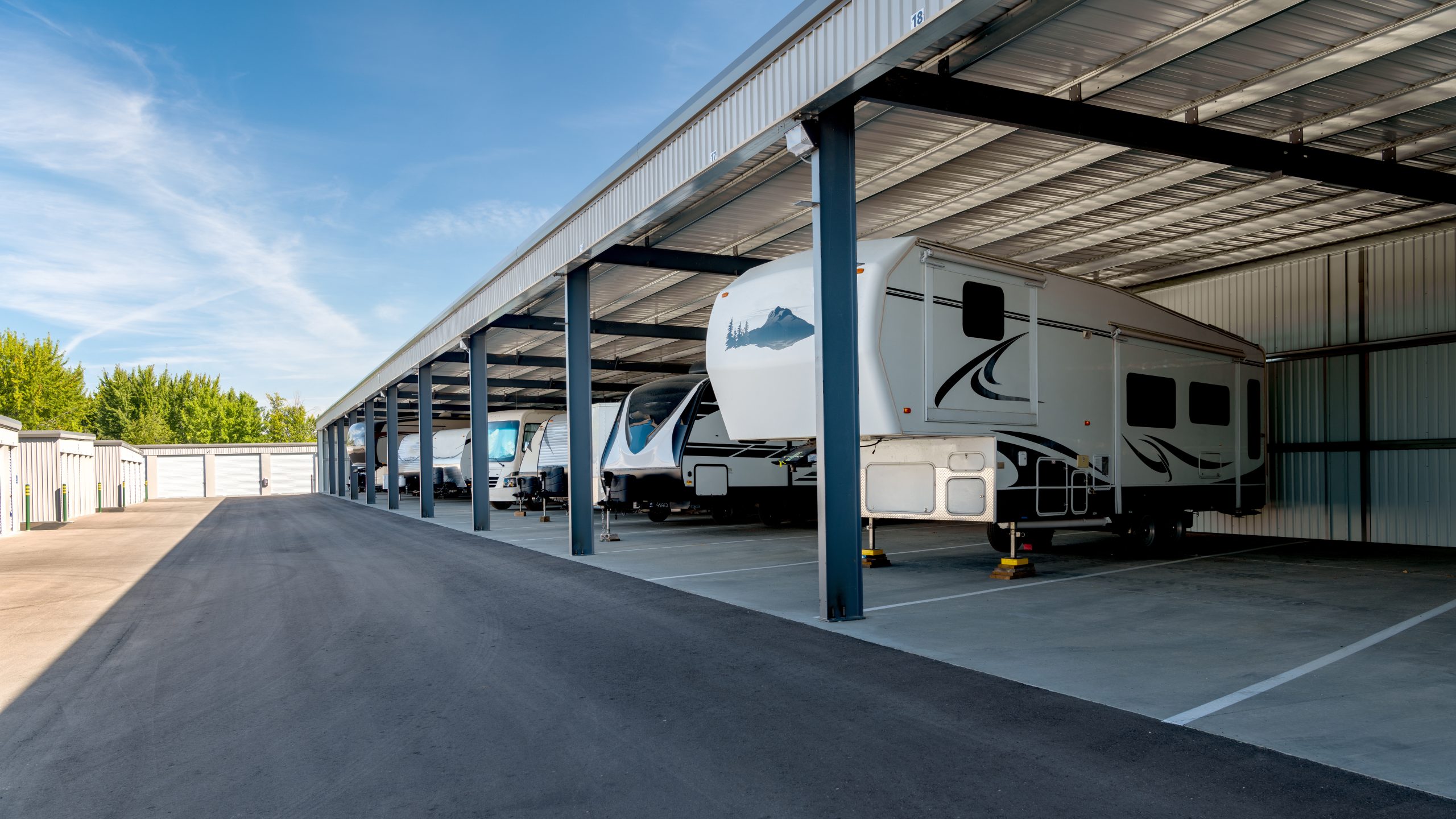
When the travel season ends, many RV owners place their vehicles into storage without thinking much about what happens next. Whether your RV sits in a driveway, storage facility, or covered building during the off-season, how it is stored can directly impact your protection. Understanding a few key RV insurance considerations before long-term storage can help prevent costly surprises if something goes wrong while your RV is not in use.
It is common for owners to assume that once their RV is parked, nothing can happen to it. In reality, many insurance claims occur while vehicles are in storage. Weather damage, pests, moisture, and even small maintenance issues can cause problems that are discovered months later when the RV is taken out for the next trip. If the cause of damage traces back to improper storage or preventable conditions, coverage may become complicated.
Failing to Properly Winterize
One of the most common storage mistakes involves skipping or rushing through the winterization process. Water systems left untreated can freeze and expand during cold temperatures, which may crack pipes, damage water heaters, or rupture plumbing connections inside the RV.
Insurance policies often expect owners to take reasonable steps to protect their vehicles from predictable seasonal conditions. Proper winterization, including draining water lines and protecting plumbing systems, helps demonstrate that preventative care was taken before storage.
Ignoring Moisture and Ventilation
Moisture buildup is another issue that can quietly develop while an RV sits unused for months. Condensation inside cabinets, bedding, or storage compartments may lead to mold or mildew if ventilation is poor.
Simple steps such as using moisture absorbers, slightly opening vents, or periodically checking the RV during storage can help reduce the risk of long-term damage. Without these precautions, mold-related issues can become expensive repairs that may not always be fully covered depending on the circumstances.
Overlooking Pest Prevention
Rodents and small animals often seek shelter in stored vehicles during colder months. RVs provide warmth, insulation, and plenty of hidden spaces for nesting. Unfortunately, pests can cause serious damage by chewing wiring, insulation, and plumbing components.
Preventative measures such as sealing small openings, removing food sources, and using deterrents can help reduce the likelihood of an infestation. Discovering pest damage months later may raise questions about how long the issue was present and whether reasonable steps were taken to prevent it.
Storing the RV in High-Risk Locations
Where an RV is stored can also affect the likelihood of damage. Parking under large trees may expose the vehicle to falling branches, sap buildup, or storm debris. Storing an RV on soft ground without proper support may create uneven weight distribution that stresses tires or suspension over time.
Secure, well-drained storage areas with stable surfaces tend to provide better protection throughout the off-season. Choosing a location that minimizes environmental risks can help reduce potential damage while the RV is parked.
Forgetting to Check the RV Periodically
Many owners store their RV and do not look at it again until the next travel season begins. Unfortunately, small issues that could have been addressed early may grow into larger problems over time.
Periodic inspections during storage allow owners to catch leaks, pest activity, or weather damage before it spreads. Even a quick monthly check can make a difference in identifying problems early.
RV Insurance Tips: Protect Your RV Before the Next Season
Seasonal storage is an important part of RV ownership, but it should not be treated as a “set it and forget it” process. Taking a few preventative steps before and during storage helps protect both the vehicle and your financial investment.
Understanding how storage conditions relate to your RV insurance coverage can help ensure that you are fully protected when the next travel season arrives. If you have questions about how your policy applies during storage, The Happy Camper can help you review your RV insurance so you can store your vehicle with confidence and hit the road again knowing you are properly protected.