
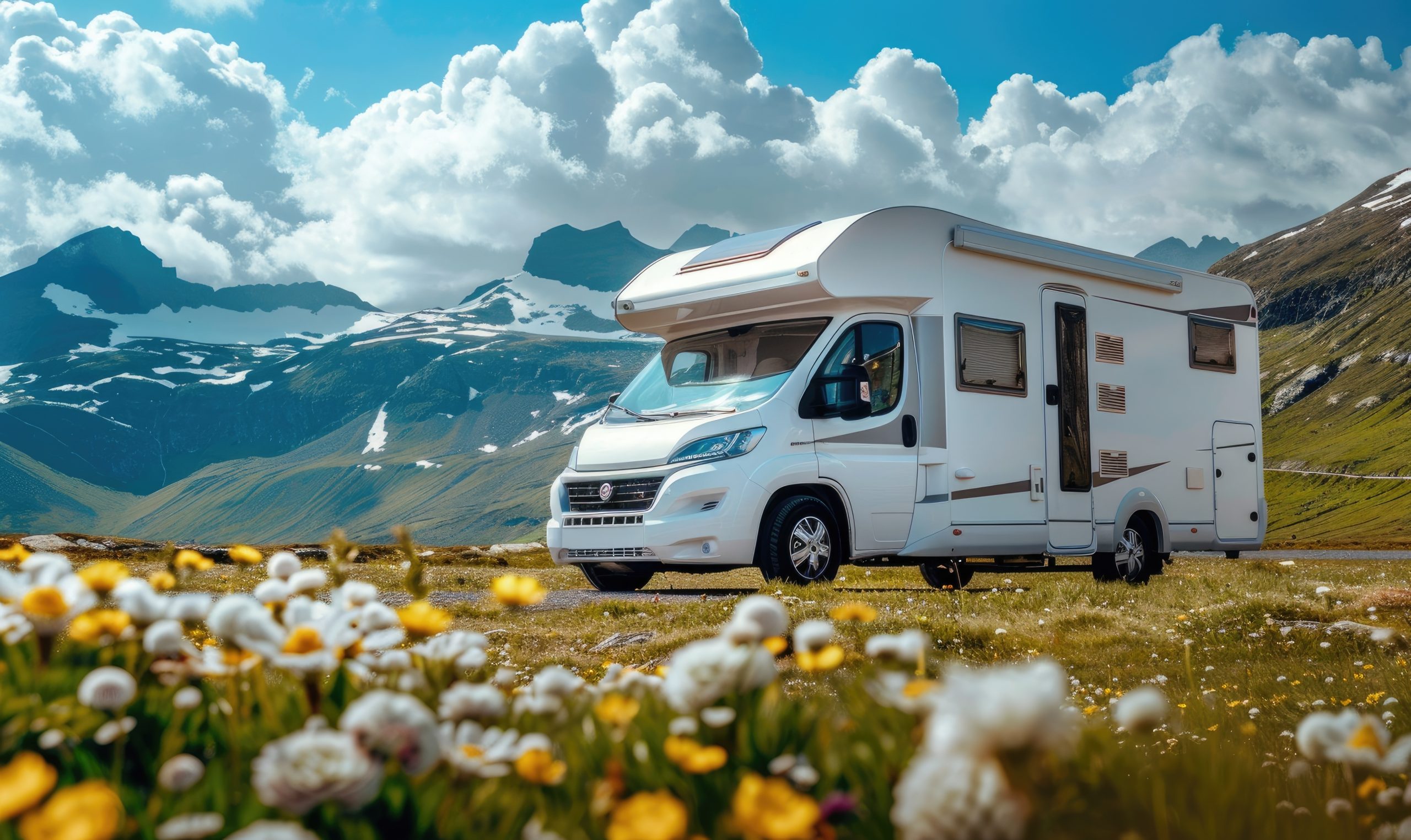
For many RV owners, boaters, and powersports enthusiasts, spring marks the exciting transition from storage to startup. But while you’re focused on inspections, trip planning, and maintenance, it’s easy to overlook one critical piece of readiness: insurance coverage. Especially for new owners, understanding how policies shift with the seasons is one of the most important RV tips for beginners to learn early.
Seasonal changes can quietly expose coverage gaps that weren’t an issue during winter storage. What protects your vehicle while parked may not be enough once you’re back on the road or water. Knowing where these gaps appear can help you avoid surprises when you least expect them.
Storage Coverage vs. Active Use
Many RV, boat, and powersports policies allow for reduced coverage during the off-season. This can be a smart way to save money when your vehicle is parked and not in use. However, problems arise when spring arrives and coverage is not adjusted before use begins.
If your RV or boat is still on a storage-only or reduced-use policy and you hit the road or launch early, certain incidents may not be fully covered. This can include collision damage, liability claims, or even roadside assistance. One of the most common mistakes new owners make is assuming coverage automatically adjusts when the season changes. It usually does not.
Liability Exposure Increases Fast
Winter storage dramatically reduces liability risk. Once spring arrives, that risk increases immediately.
Driving an RV, towing a trailer, riding an ATV, or operating a boat all come with liability exposure to other drivers, passengers, and property. If your policy limits were lowered during the off-season, you could be underinsured during your first trips of the year.
For beginners, especially, reviewing liability limits before the season starts is essential. Accidents do not wait until peak summer, and spring roads and waterways often bring unpredictable conditions.
Accessory and Upgrade Gaps
Spring is a popular time to upgrade. New electronics, awnings, bike racks, trailers, or water toys often get added before the first trip of the year.
Here’s the issue: many of these items are not automatically covered unless they are specifically listed on your policy. If they were added after your last policy review, they may be uninsured.
This is one of the most overlooked RV tips for beginners. Insurance should grow with your setup. If it doesn’t, you could be paying out of pocket for damaged or stolen equipment.
Roadside and Emergency Coverage Misalignment
Breakdowns happen most often at the start of the season, when vehicles are coming out of storage and systems are being tested again. Batteries fail, tires blow, and engines overheat.
If roadside assistance or emergency towing coverage was removed or reduced during winter, you may not have the help you expect when something goes wrong. Spring travel often means longer distances and fewer nearby service options, making proper emergency coverage especially important.
Weather-Related Risks Return
Spring weather can be unpredictable. Storms, flooding, hail, and high winds become more common just as vehicles return to use.
If your coverage was adjusted for indoor storage or limited exposure, weather-related damage may not be fully protected once your RV or boat is back outside. Reviewing comprehensive coverage before the season starts can help close this gap.
Start the Season Protected, Not Exposed
Moving from storage to startup is more than a mechanical transition. It’s an insurance transition, too. One of the smartest RV tips for beginners is to treat spring as a coverage reset, not just a maintenance checklist.
Happy Camper Insurance specializes in protecting RVs, boats, and powersports vehicles through every season.
Before you head out, explore your coverage options or contact Happy Camper Insurance to make sure your policy is ready for real-world use, not just winter storage. Because peace of mind should travel with you, wherever the season takes you.