
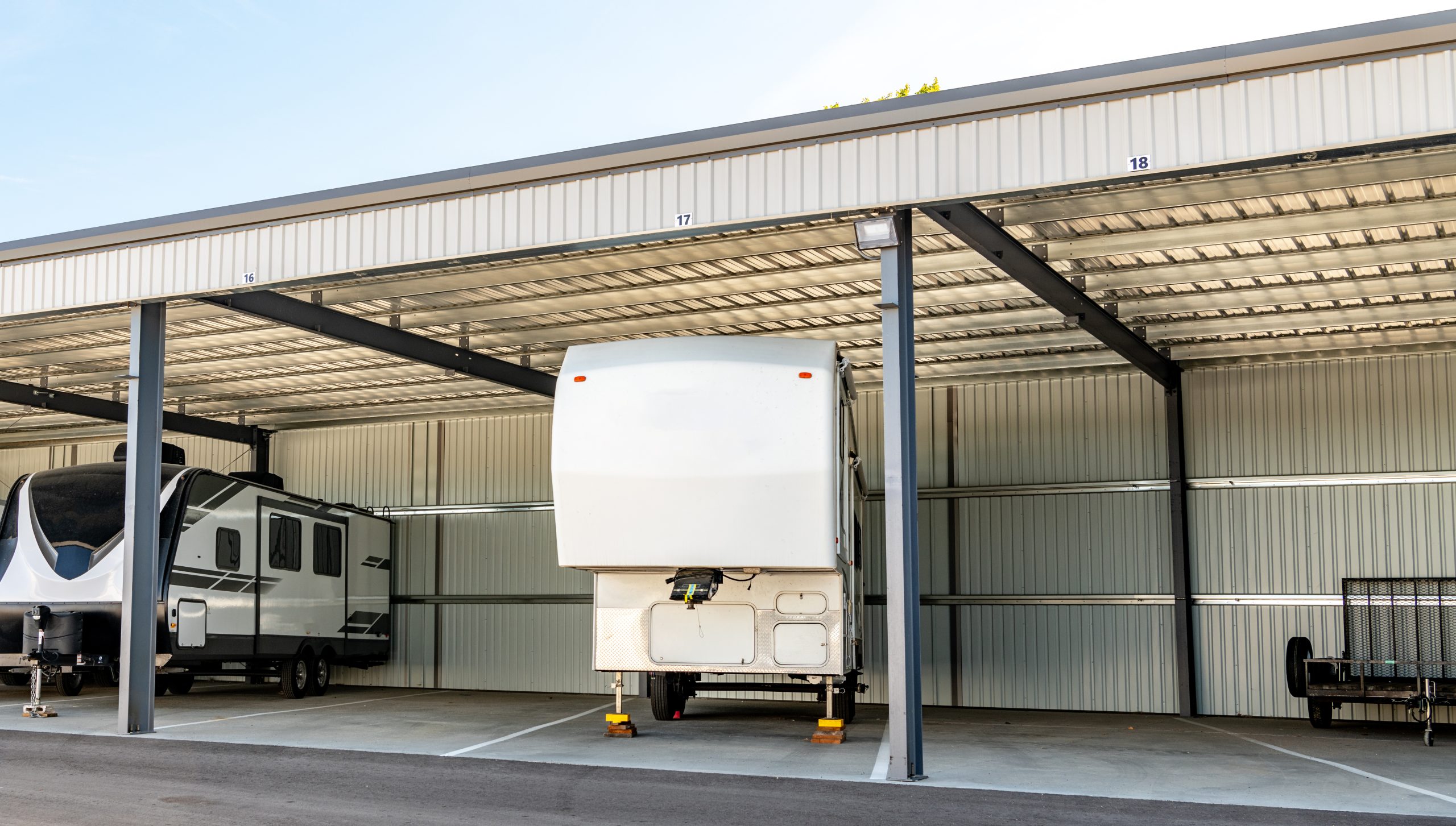
If you’ve been searching for RV winter living tips, you’re probably thinking about storage, winterization, and how to protect your rig when travel slows down. But there’s one area many owners overlook: insurance. When your RV isn’t moving for months, it may feel like the risks are on pause. From an insurer’s perspective, however, “laid-up” does not mean “logged-out.” Your coverage, your exposure, and your responsibilities as an owner all continue—even when your RV is parked.
What “Laid-Up” Really Means for Insurance
When an RV is in use, risk is tied to driving, road conditions, and accidents. When it’s not in use, the risk shifts to environmental damage, storage issues, and long-term neglect. Insurance companies recognize both scenarios, which is why most policies are designed to provide protection whether your RV is on the highway or sitting in your driveway.
That said, coverage does not remain automatically optimized for long-term storage. Some owners reduce liability when they stop driving, while others assume they can suspend coverage altogether. Doing so can create gaps that leave you unprotected against the most common off-season losses.
The Risks That Don’t Go Away in the Off-Season
Even when parked, your RV is still vulnerable to damage. In fact, many winter claims happen precisely because the vehicle isn’t being checked regularly. Common issues include:
- Frozen or burst plumbing lines from inadequate winterization
- Battery failure and electrical problems after long periods of inactivity
- Water intrusion from snow melt, ice dams, or roof damage
- Rodent infestations in wiring, insulation, and engine compartments
- Theft or vandalism in storage lots or driveways
These are all typically covered under comprehensive insurance, not collision. If your policy has been reduced too aggressively or allowed to lapse, you could be left paying out of pocket for costly repairs.
How Coverage Changes When You Stop Driving
Many RV policies allow you to modify certain aspects when your vehicle is not in use. For example, you may reduce liability if you are no longer operating the vehicle on public roads. However, comprehensive coverage should usually remain in place. This is what protects your RV from non-driving risks like fire, falling objects, weather damage, and theft.
It is also important to remember that storage location matters. An RV kept in a climate-controlled facility presents different risks than one stored outdoors in a northern climate. Insurance companies consider where and how your RV is stored when evaluating both claims and future underwriting.
Full-Time vs. Seasonal vs. Occasional Use
How you use your RV also plays a role in how your policy should be structured:
- Seasonal users often store their RV for several months and resume travel in warmer weather. They need coverage that reflects winter-specific risks.
- Occasional users may still access their RV periodically, increasing exposure to theft, accidents, or system failures if the unit is not properly maintained.
- Full-time RVers face a different set of considerations, especially if they continue living in their RV year-round in cold climates.
In each case, your insurance should match your real-world usage, not just your registration status.
Why Lapses in Coverage Can Cost You
Letting coverage lapse during the off-season may seem like a way to save money, but it often leads to larger expenses later. Damage that occurs while uninsured is not retroactively covered. Additionally, frequent lapses can impact your insurability and potentially increase premiums when you try to reinstate coverage.
Insurance is designed to protect against the unexpected. Winter damage is often silent and slow, only becoming obvious months later. By the time you discover it, the repair bill may already be significant.
Smart Off-Season Planning for RV Owners
Being proactive during the months your RV isn’t in use can save time, money, and frustration. This includes:
- Confirming which coverages remain active during storage
- Ensuring comprehensive protection is in place
- Verifying that your insurer knows your storage location and usage plans
- Performing periodic checks for leaks, pests, and battery health
Your insurance should be part of your winter readiness plan, just like draining lines or covering your roof.
Coverage That Works Even When You’re Parked
If you’re searching for RV winter living tips, don’t stop at maintenance checklists. Understanding how your insurance works when your RV is laid up is just as important as winterizing your plumbing. Coverage doesn’t go dormant simply because your vehicle isn’t moving, and the right policy can make all the difference when spring arrives.
For RV winter living tips and for all your RV, boat, and powersport insurance needs, contact Happy Camper Insurance today. We specialize in coverage built for real seasonal use, so whether you’re parked for the winter or planning your next adventure, you can protect what matters most with confidence.