
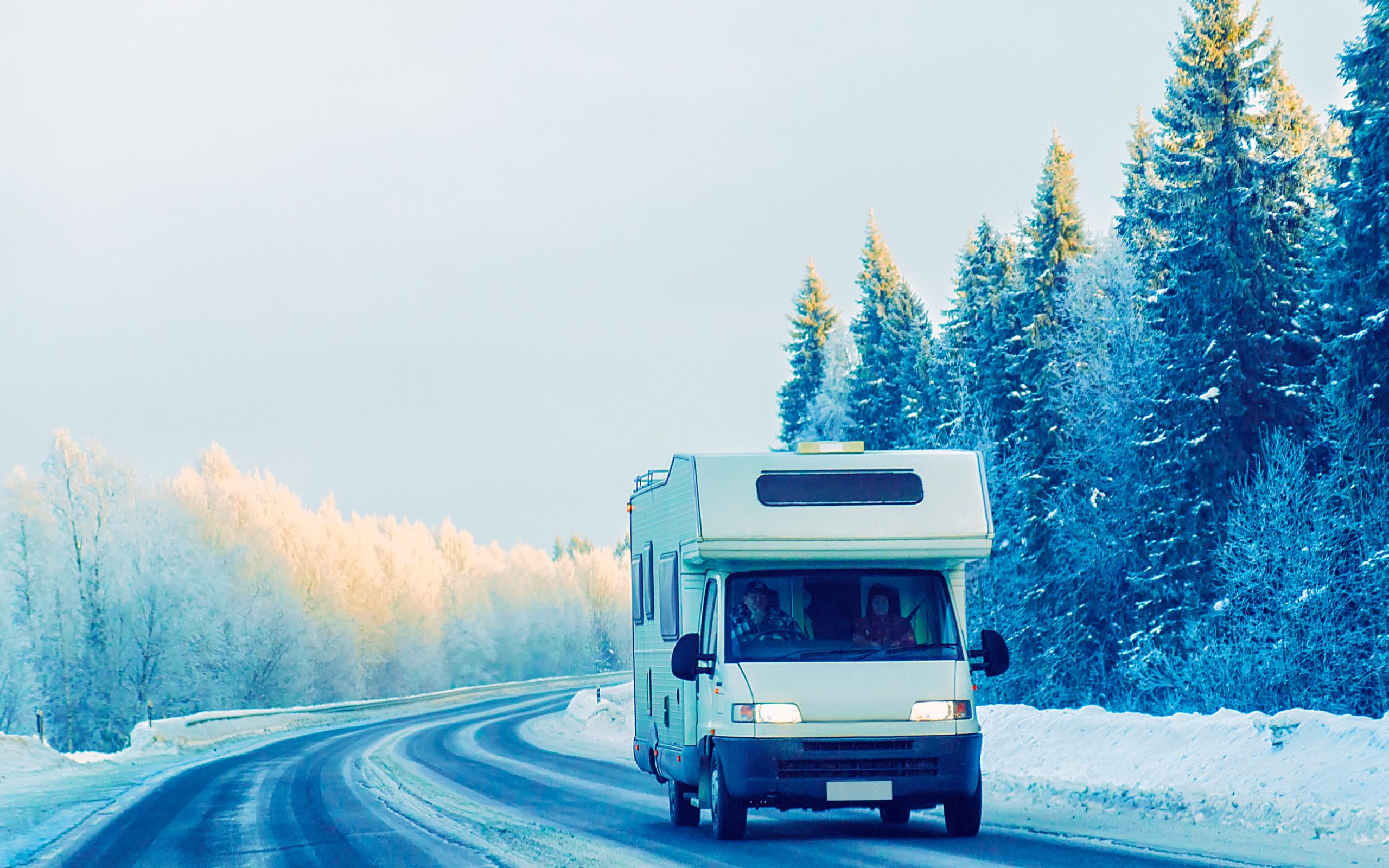
The rise of short-term rentals has changed how people use recreational vehicles, especially during RV winter season. More owners are renting out their RVs as cozy winter escapes, ski-trip basecamps, or seasonal housing. While that extra income can be appealing, winter use—especially when combined with short-term rentals—can create serious insurance complications that many RV owners don’t realize until it’s too late.
Winter introduces a completely different risk profile for RVs. Frozen pipes, heating failures, condensation, roof stress from snow, and improper storage can all result in costly damage. When those risks are paired with rental use, insurers may view claims very differently than owners expect. In some cases, coverage may be limited, delayed, or even denied altogether.
Why Winter Use Raises Red Flags for Insurers
Insurance policies are built around assumptions of “normal use.” For many RV policies, that means seasonal recreation—not continuous winter habitation or frequent renter turnover. During winter months, insurers are especially concerned about:
- Freeze damage from improperly winterized plumbing
- Unattended heating failures that lead to burst lines or water damage
- Snow load or ice buildup causing roof or structural damage
- Condensation and mold from extended cold-weather occupancy
- Fire risks from space heaters or alternative heating sources
If an RV is rented out during winter, insurers may scrutinize whether the vehicle was used outside of policy terms. Some policies require RVs to be fully winterized when temperatures drop below certain thresholds. Others exclude coverage if the RV is used as a primary residence or rented without proper endorsements.
Short-Term Rentals Add Another Layer of Risk
Short-term rentals increase exposure in ways many owners overlook. Renters may not understand winterization protocols, proper heating practices, or cold-weather maintenance requirements. Even small mistakes—like leaving a water system active overnight—can lead to significant damage.
From an insurance perspective, rental use changes liability, wear-and-tear expectations, and claim responsibility. If your policy doesn’t explicitly allow for short-term rental activity, insurers may argue that the risk profile was misrepresented. This can complicate claims or result in partial payouts that don’t come close to covering repairs.
Common Coverage Pitfalls During RV Winter
Some of the most common winter-related claim issues include:
- Denied freeze claims because the RV was not properly winterized
- Coverage disputes over whether the RV was occupied or stored
- Liability gaps if renters are injured during winter use
- Delayed claims while insurers investigate usage and rental agreements
Many owners assume their policy will “just work,” only to discover exclusions buried in the fine print once damage occurs.
How to Protect Yourself Before Winter Hits
The good news is that these issues are often preventable with the right planning. Before renting or using your RV in winter, it’s important to:
- Review whether your policy allows winter use and short-term rentals
- Confirm requirements for winterization and heating
- Understand occupancy limits and liability coverage
- Document maintenance and winter prep procedures
- Adjust coverage if your usage has changed
Working with an insurance provider that understands recreational vehicles—not just standard auto or homeowners insurance—can make all the difference.
Plan Ahead for RV Winter Confidence
Whether you rent your RV, use it year-round, or store it seasonally, RV winter use shouldn’t come with surprises. The right coverage ensures that short-term decisions don’t lead to long-term financial consequences.
If you’re unsure whether your current policy fully protects you during winter months, now is the time to take a closer look. Reach out to Happy Camper Insurance to review your coverage, explore winter-specific protections, or browse our website for more RV winter resources, tips, and guides. A quick conversation today can save you from a costly coverage issue tomorrow.