
As travel season returns, many RV owners turn their attention to maintenance, cleaning, and improvements before the first trip of the year. It is a natural time to upgrade equipment, install new accessories, or make small modifications that improve comfort on the road.
However, one of the most overlooked spring RV tips is understanding how these upgrades can affect your insurance coverage.
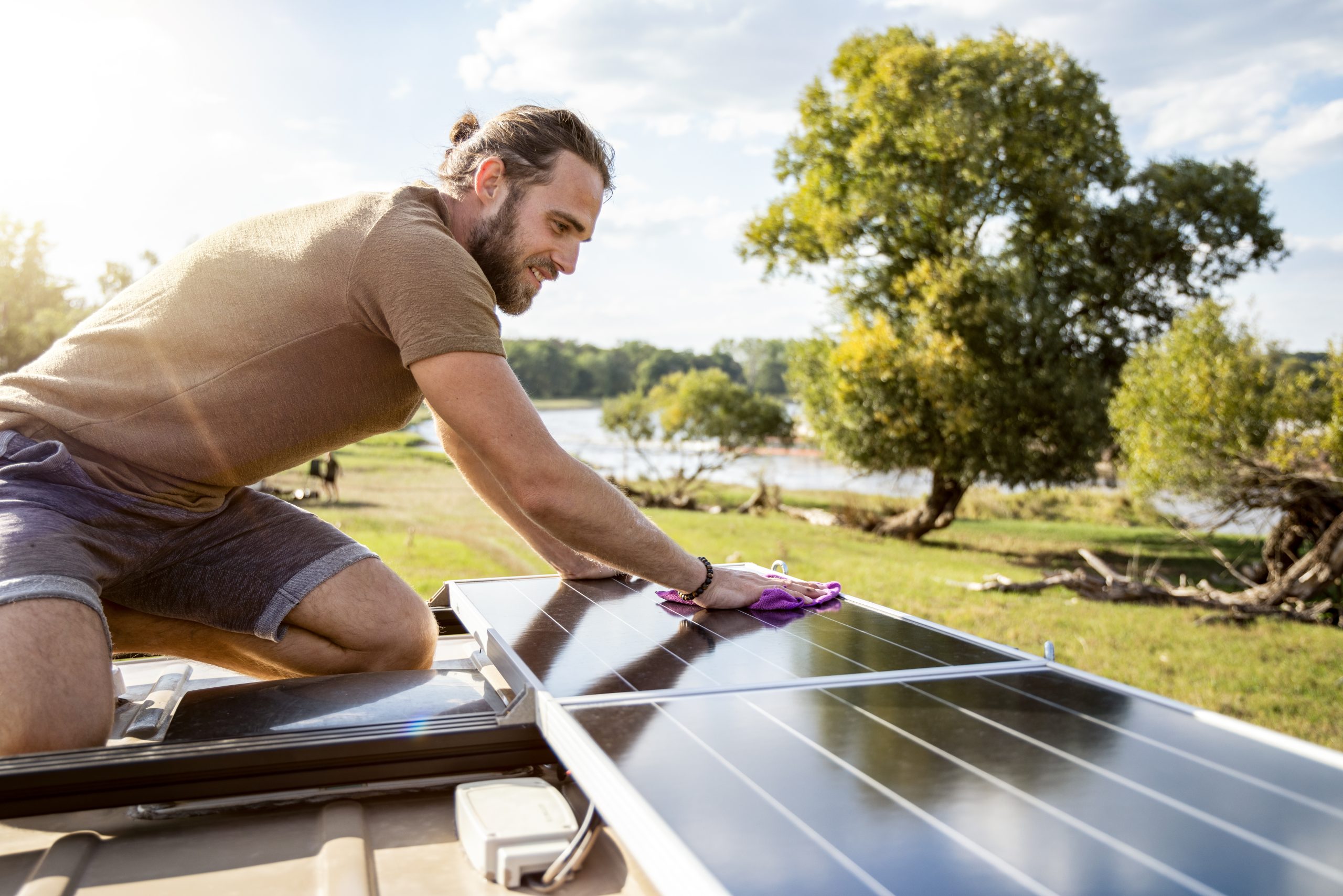
Adding features to your RV can enhance the experience of traveling. Solar panels can extend off-grid stays, upgraded suspension can improve towing stability, and new electronics can make life on the road more convenient. Yet each of these improvements also changes the value, functionality, and sometimes the risk profile of the vehicle. When modifications are made without updating your insurance policy, coverage gaps can appear.
Taking a few minutes to review your policy after upgrades can help ensure your RV remains properly protected.
Why Modifications Matter for Insurance
Insurance policies are typically based on the condition and value of the RV when the policy is written. When you install additional equipment or make structural upgrades, you may be increasing the total value of the vehicle beyond what the policy currently reflects.
For example, installing solar power systems, upgraded lithium batteries, or satellite internet equipment can add thousands of dollars in value. If those items are not disclosed to your insurance provider, they may not be fully covered if damage or theft occurs.
Even smaller upgrades can matter. Bike racks, upgraded awnings, exterior storage systems, or roof-mounted cargo boxes all change the configuration of the RV. These additions can affect how the vehicle is evaluated during a claim.
Many experienced travelers treat insurance reviews as part of their regular spring RV tips checklist, right alongside de-winterizing, tire inspections, and brake checks.
Common RV Upgrades That May Affect Coverage
Not every modification requires a policy adjustment, but certain types of upgrades are more likely to influence coverage.
Some examples include:
- Solar panel systems and battery upgrades
- Suspension modifications or lift kits
- Satellite internet or communication systems
- Exterior racks, cargo carriers, or bike mounts
- Custom cabinetry or interior renovations
- Generator upgrades or auxiliary fuel systems
Each of these changes can alter the value or operation of the RV. In some cases, modifications can even impact liability considerations if they affect the way the vehicle is used or transported.
For example, installing larger roof-mounted equipment could affect clearance heights. Heavy exterior gear might change weight distribution. While these upgrades are often practical and beneficial, they are worth discussing with your insurance provider so the policy reflects the RV accurately.
Documentation Makes a Difference
If you invest in upgrades, it is helpful to keep simple documentation of the improvements. Receipts, installation records, and photos can help verify the value of added equipment if a claim ever occurs.
Clear documentation makes the claims process smoother and helps confirm that your upgrades are included in your coverage. Without these details, insurers may only evaluate the RV based on its original configuration.
Owners who track their upgrades often find it easier to adjust their coverage as the RV evolves over time.
A Simple Review Can Prevent Coverage Gaps
The start of travel season is the perfect time to take a quick look at your policy. Many RV owners spend time preparing their vehicles mechanically but overlook the insurance side of the equation.
Reviewing your policy after making upgrades can help answer a few simple questions:
- Does your coverage reflect the RV’s current value?
- Have recent upgrades been disclosed to your insurer?
- Do liability limits still match how the RV is used today?
These questions are simple, but they can make a significant difference if an accident, storm, or theft occurs.
Spring RV Tips: Start the Season Protected
Spring upgrades can make RV travel more enjoyable and more comfortable. From solar power to upgraded storage, improvements often help owners stay on the road longer and travel more freely.
At the same time, these upgrades can quietly change how your RV should be insured. Taking a few minutes to review your policy helps ensure your protection grows alongside your RV.
If you have recently upgraded your RV or are planning improvements this season, the team at The Happy Camper can help review your coverage and answer your questions. For RV owners building their list of smart spring RV tips, making sure your insurance reflects your upgrades is an important step.
Contact The Happy Camper today to review your policy and make sure your RV is fully protected for the season ahead.