
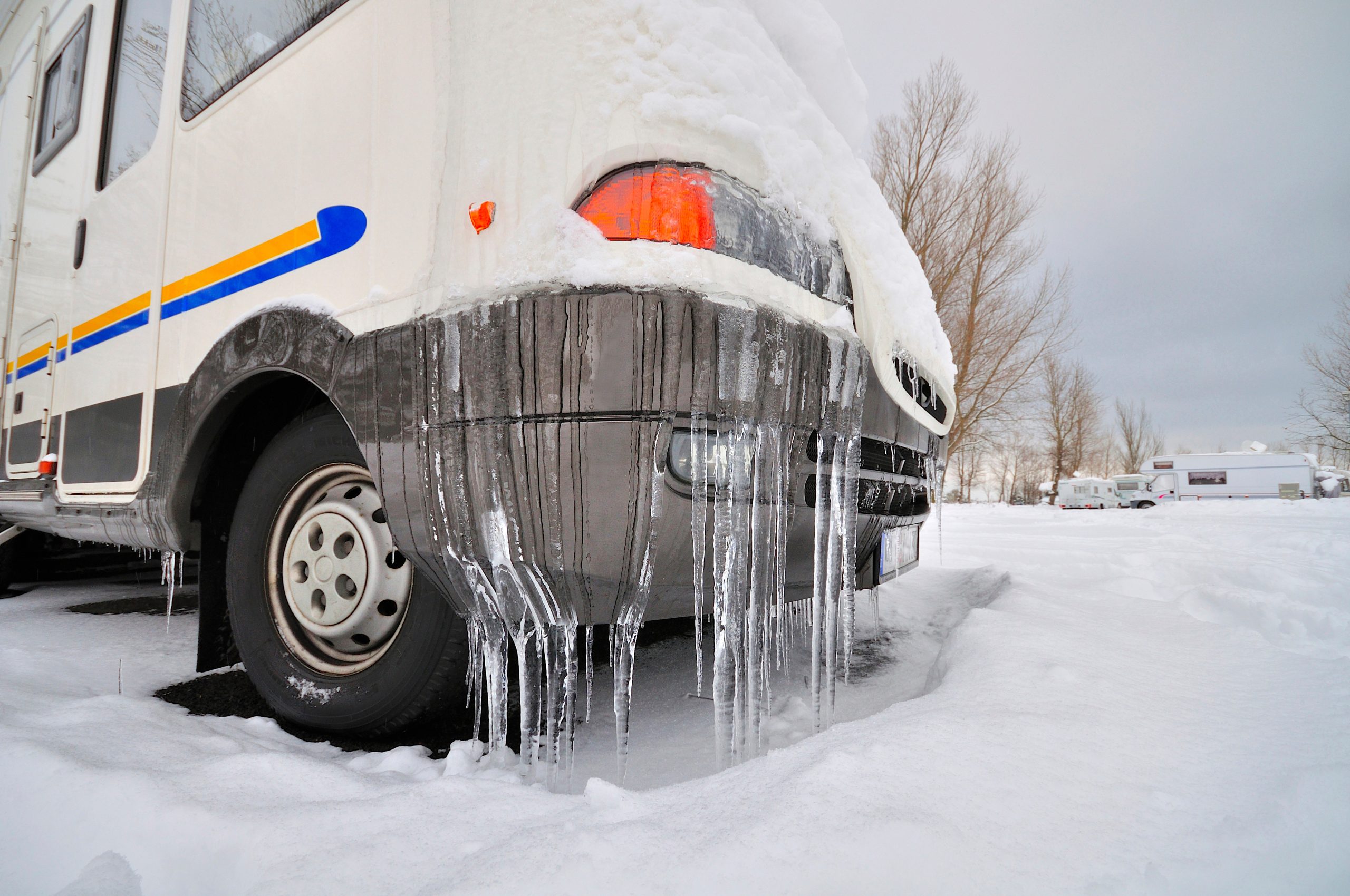
When temperatures drop and RV winter conditions take over, one of the biggest (and most expensive) threats to your rig is frozen plumbing. What starts as a small overnight freeze can quickly turn into burst pipes, cracked tanks, damaged fittings, water intrusion, mold, and thousands of dollars in repairs.
Yet many RV owners assume their policy automatically covers these types of cold-weather plumbing issues—when in reality, winter-related damage often falls into gray areas that insurers treat differently.
Understanding what your policy should cover (and what it often doesn’t) can save you from costly surprises when the first deep freeze hits.
Why Frozen Plumbing Is So Costly
Unlike a home, your RV plumbing system is compact, exposed, and designed for movement. When water freezes, it expands—and that expansion is what causes pipes and fittings to crack or rupture.
Repairs can include:
- Replacing pipes, valves, and connectors
- Fixing cracked freshwater or wastewater tanks
- Repairing water heaters or water pumps
- Removing water-damaged insulation
- Addressing mold or internal wall damage
- Replacing flooring or cabinetry
A single freeze event can easily cost anywhere from $500 to $6,000+, depending on how far the damage spreads.
What Your Policy Should Cover (But Often Doesn’t)
1. Freeze-Related Damage
Some insurance policies explicitly cover winter freeze damage—but only if you’ve taken “reasonable steps” to protect your rig. That can include:
- Properly winterizing
- Running heat
- Not leaving the RV unattended for long periods in extreme cold
If your insurer believes negligence was involved, they may deny the claim.
2. Water Intrusion From Burst Pipes
Water that escapes from a plumbing failure should be covered under comprehensive insurance, but some policies exclude damage caused by temperature-related failures or “lack of maintenance.”
Translation: if a pipe burst because of freezing temps, you might be on your own—unless your policy clearly states otherwise.
3. Mold or Long-Term Moisture Damage
Most policies do not cover mold, even if the source was a sudden plumbing failure. Some offer mold riders or endorsements for an additional fee—but most RVers don’t know to ask.
4. Damage to Tanks and Water Heaters
Freshwater tanks, grey/black tanks, and water heaters are expensive to replace. Many policies cover these components only when damage is sudden and accidental—not when it’s considered preventable.
5. Flooring, Cabinetry, and Structural Repairs
Interior repairs caused by burst plumbing can add thousands to a claim. Some policies cap interior water damage at low limits or exclude cabinetry and flooring altogether.
What to Look for in a Winter-Ready RV Policy
If you use your RV year-round or store it in cold climates, make sure your policy is clear about the following:
✔ Freeze Damage Coverage
Look for explicit language that includes water system freeze failures—not vague exclusions.
✔ Reasonable Protection Clause
Ask your agent what steps are required to meet this condition.
✔ Interior Water Damage Limits
Confirm that interior repairs are fully covered.
✔ Mold Endorsement Options
Even a small mold outbreak can become a big (and expensive) problem.
✔ Tank, Water Heater, and Pump Replacement Coverage
These components should fall under covered causes of loss.
✔ Roadside Assistance for Winter Breakdowns
If your plumbing freezes while traveling, roadside help may be essential.
Final Thoughts: Protect Your Rig Before RV Winter Takes a Toll
Frozen plumbing is one of the most common—and most expensive—cold-weather problems RV owners face. As RV winter sets in, reviewing your policy now can prevent major financial headaches later. Many owners don’t realize their plumbing isn’t fully protected until after a freeze event, when it’s too late to update coverage.
If you want to make sure your RV policy truly covers you from winter’s worst, get in touch with the experts at Happy Camper Insurance. We’ll help you review your cold-weather coverage, identify gaps, and keep your RV protected all season long.