
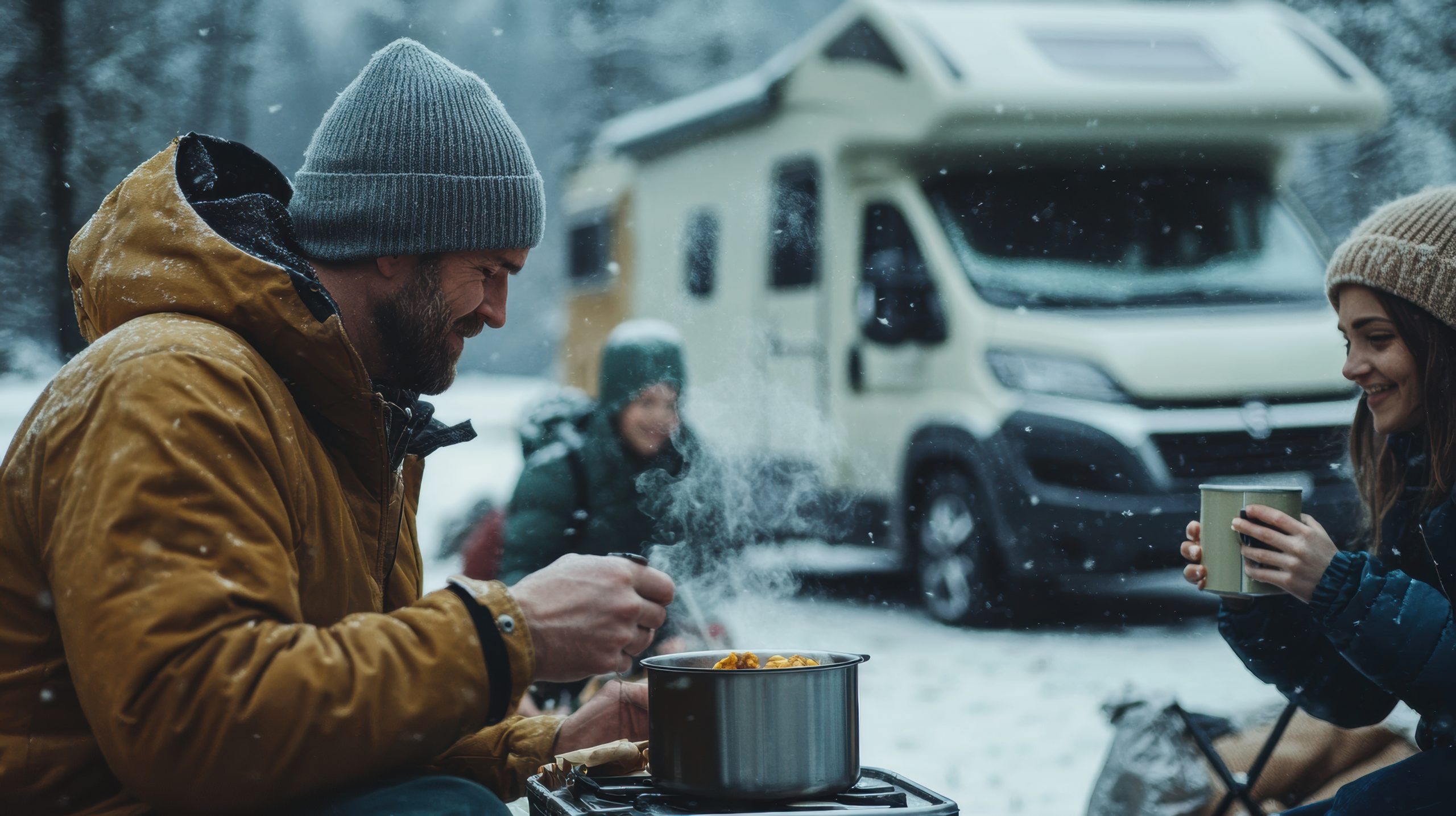
If you’re researching winter RV living, you’re probably thinking about snow, freezing temperatures, and how to protect your systems from cold-weather damage. But winter weather is only part of the risk equation.
When RVs, boats, and powersport vehicles sit unused for long stretches, other exposures rise—especially theft, vandalism, and unexpected liability. Understanding these off-season risks can help you avoid costly surprises and make sure your insurance coverage still works when your vehicle isn’t going anywhere.
Why Risk Changes When You’re Not Traveling
During peak travel season, insurance risk is driven by movement: accidents, collisions, and road hazards. In the off-season, the nature of risk shifts. Vehicles are stationary, often stored in driveways, storage lots, or remote facilities. While you may no longer be navigating traffic, you’re now exposed to a different set of threats that can be just as expensive.
Insurers consistently see more claims tied to unattended property during the winter months. The longer a vehicle goes without regular checks, the more opportunity there is for damage to occur unnoticed. For owners who assume “not in use” equals “not at risk,” these losses can come as a shock.
Theft: A Quiet but Costly Off-Season Threat
When RVs and boats are parked for months at a time, they become attractive targets. Storage yards, rural properties, and unattended driveways offer easier access than busy campgrounds or marinas. Theft can involve:
- Entire vehicles
- Tools, appliances, or electronics inside the RV
- Batteries, generators, and catalytic components
- Trailers, ATVs, or personal watercraft stored nearby
Comprehensive insurance typically covers theft, but only if the policy is active and structured correctly. Owners who reduce coverage too aggressively during the winter may find that losses are only partially reimbursed—or not covered at all.
Vandalism and Unnoticed Damage
Vandalism often goes hand in hand with theft. Broken windows, damaged doors, spray paint, and interior destruction are common in long-term storage environments. Even minor vandalism can escalate quickly when the weather enters the picture. A cracked window or compromised seal can allow moisture to enter, leading to mold, warped flooring, and electrical issues by spring.
Because these losses occur while the vehicle is parked, they are not covered under collision. Comprehensive protection is what responds to these events, reinforcing why winter coverage should never be an afterthought.
Liability: The Risk You Didn’t Expect
Many owners assume that liability disappears once a vehicle is off the road. In reality, liability exposure can still exist even when your RV is parked.
Consider these scenarios:
- A child is injured while playing on or around your stored RV
- A visitor slips on ice near your parked trailer
- A stored boat breaks loose in a storm and damages another property
- Equipment falls or shifts, causing damage or injury
Depending on where and how your vehicle is stored, liability coverage may still be relevant. Without the right protection in place, these incidents can lead to out-of-pocket expenses that far exceed the cost of maintaining proper insurance.
Why Storage Location Matters
Where your RV or recreational vehicle is stored during the off-season significantly affects your risk profile. Vehicles kept in gated, monitored facilities generally face fewer theft and vandalism claims than those stored in open lots or residential areas. However, even secure storage doesn’t eliminate risk entirely.
Insurance providers evaluate:
- Indoor vs. outdoor storage
- Frequency of access and inspections
- Regional crime and weather patterns
- Whether the vehicle is winterized and secured
Making sure your insurer knows how and where your vehicle is stored helps ensure your coverage aligns with real-world conditions.
Staying Protected When You’re Not Traveling
Off-season protection starts with understanding that your vehicle still needs insurance tailored to non-use risks. Smart steps include:
- Keeping comprehensive coverage in place
- Reviewing liability needs based on storage location
- Securing your RV with locks, covers, and alarms where possible
- Checking on the vehicle periodically for signs of tampering or damage
Insurance is designed to protect against the unexpected. Winter is often when those unexpected events happen quietly—and are discovered too late.
Winter RV Living Risks: Coverage That Goes Beyond the Weather
When people think about winter, they think about snow, ice, and freezing pipes. But theft, vandalism, and liability are just as real—and sometimes more costly—than weather-related damage. For anyone exploring winter RV living, understanding these hidden risks is just as important as knowing how to winterize your plumbing or protect your battery.
For winter RV living guidance and for all your RV, boat, and powersport insurance needs, contact Happy Camper Insurance today. We provide coverage designed for every season of ownership, so whether your vehicle is parked for the winter or ready for the road, you can protect what matters most with confidence.