
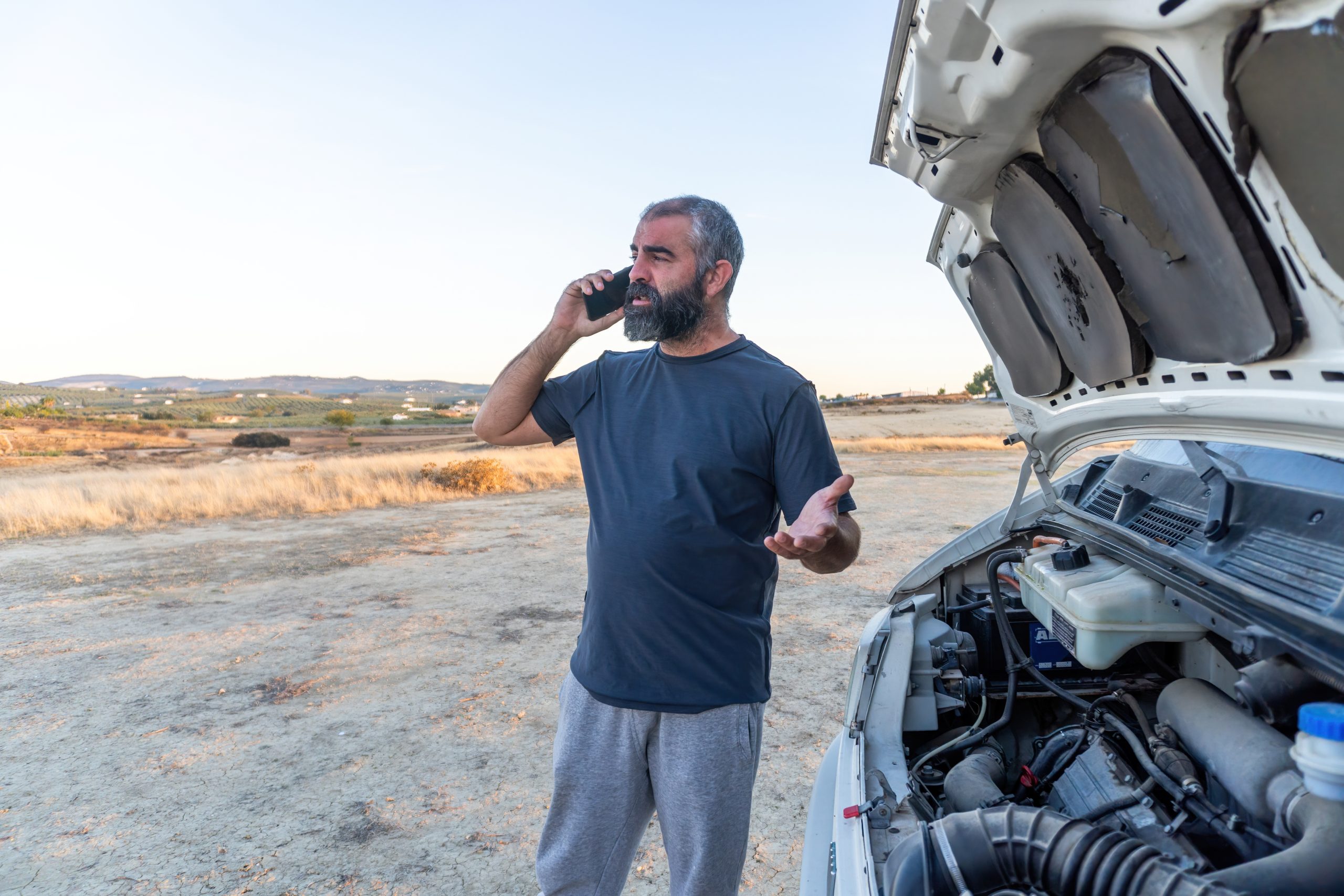
When an RV breaks down, the first 10 minutes shape everything that follows. In that initial window, RV roadside service begins to take form through the information gathered, the decisions made, and the direction set for resolution.
A smooth experience or a prolonged disruption often comes down to how effectively that moment is handled. That is why RV roadside assistance coverage is no longer just about having help available. It is about how quickly and accurately that help is identified from the start.
Early Triage Sets the Direction
Every breakdown begins with a level of uncertainty. An RV owner may notice a symptom, but the root issue is not always clear. Without a structured intake process, that early stage can quickly become reactive. Important details may be missed, descriptions can remain vague, and the response becomes slower and less precise as a result.
A more intentional approach to triage changes that outcome. Guided questions help clarify what is actually happening, allowing the issue to be understood beyond surface-level symptoms. With better information collected upfront, the next step becomes more direct and purposeful, reducing the need for repeated explanations or adjustments later in the process.
When the initial understanding is accurate, the entire experience tends to move forward more efficiently.
Why Accuracy Matters More Than Speed
Fast response times matter, but speed alone does not resolve a breakdown. When the initial assessment is off, the wrong type of provider may be dispatched, creating delays that extend the entire experience. A tow might be sent when a mobile repair could have handled the issue on-site, or a technician may arrive without the right tools or experience.
In these situations, the issue is not the availability of help. It is the mismatch between the problem and the response.
Accurate triage helps prevent these missteps by ensuring that the right type of RV roadside service is deployed from the beginning. This alignment reduces downtime, limits unnecessary delays, and leads to a more efficient resolution overall.
How Intelligent Triage Improves Routing
Modern RV roadside assistance coverage relies on more than basic intake. Intelligent triage systems organize information in real time and translate it into clear routing decisions.
Instead of relying on general descriptions, these systems evaluate:
- The type and size of the RV
- The nature and severity of the issue
- The location and accessibility of the vehicle
- The equipment or expertise required
This structured approach allows providers to be matched based on capability, not just proximity. It reduces unnecessary handoffs and helps ensure that each step builds on the last, rather than restarting the process along the way.
The quality of the response is directly tied to the quality of the information gathered at the start.
The Operational Impact Behind the Scenes
While the experience is most visible to the RV owner, the impact of a breakdown extends across the entire service network. Each incorrect dispatch adds cost. Each delay affects provider availability. Each unresolved issue introduces additional strain on operations.
As RV travel continues to grow, these challenges become more pronounced.
Service networks are not managing isolated events. They are managing volume. A single misrouted call can tie up a provider who could have completed another job, extend timelines across multiple cases, and require additional coordination to correct the issue.
Over time, these inefficiencies accumulate into measurable operational pressure. More dispatches per incident, longer resolution timelines, and underutilized resources all contribute to increased cost and reduced efficiency.
Strong early triage helps reduce that burden. When the right decision is made at the start, fewer resources are wasted correcting avoidable errors, and the system operates more effectively at scale.
Consistency Builds Trust in Every Interaction
RV owners expect reliable support no matter where they are or when a breakdown occurs. Delivering that level of consistency requires a process that works the same way every time.
Structured triage creates that consistency. Clear information gathered at the beginning flows through dispatch and service delivery without being lost or reinterpreted. Each step builds on the last, creating a more seamless experience from the initial call through resolution.
That continuity reduces friction and helps the situation feel more manageable, even when the issue itself is unexpected.
Why the First 10 Minutes Define the Outcome
The early stage of a breakdown is no longer just about reporting a problem. It sets the direction for how quickly and effectively that problem will be resolved.
When RV roadside service is supported by intelligent triage, the process becomes more predictable. Providers arrive better prepared, decisions are made with greater accuracy, and the overall experience improves at every stage.
RV roadside assistance coverage now reflects how well a system can interpret, route, and respond from the very beginning.
The Happy Camper is built with that approach in mind. By focusing on smarter triage, stronger provider alignment, and RV-specific support, it helps ensure that the right decisions are made from the start.
If you are looking to improve how your breakdowns are handled and reduce the delays and inefficiencies that come with misrouted service, contact The Happy Camper to explore RV roadside assistance coverage designed for how breakdowns actually happen.
The gap between reactive support and intelligent systems becomes obvious the moment a breakdown happens.