
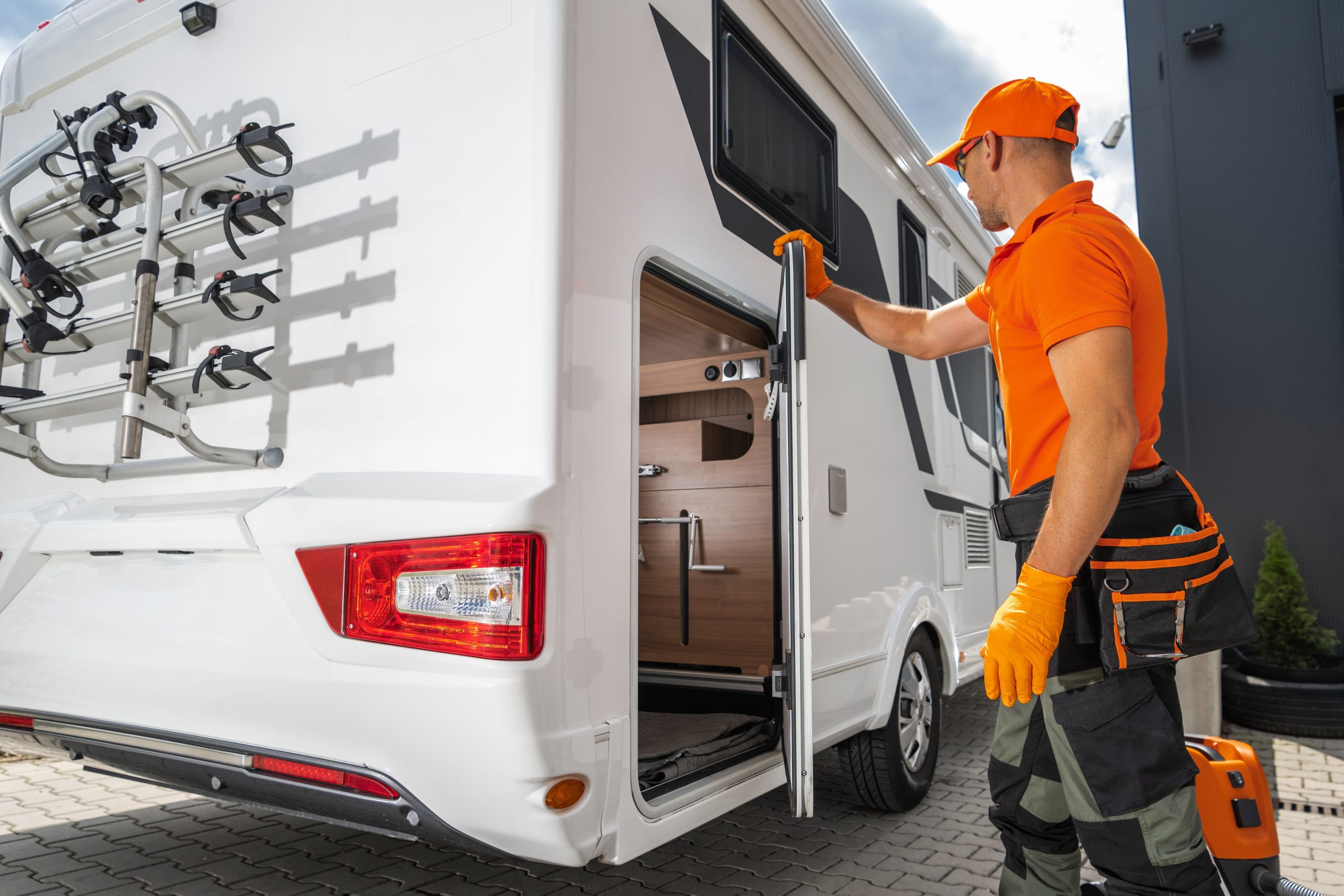
For many RV owners, the most consistent interactions they have are not during breakdowns or major issues but during routine service. Oil changes, inspections, seasonal prep, and small fixes shape the ongoing relationship far more than any single emergency ever could.
As expectations evolve, RV service automation is beginning to play a larger role in how those routine moments are handled, turning everyday touchpoints into opportu nities to build trust.
It is easy to assume loyalty is earned in high-stakes situations. A fast roadside response or a well-handled repair can leave a strong impression. But those moments are infrequent. What defines the overall experience is everything in between.
Everyday Interactions Define the Experience
Routine service is where expectations are formed and reinforced.
When scheduling is simple, communication is clear, and timelines are reliable, the experience feels easy. When those elements break down, even small interactions can create friction.
Missed updates, unclear next steps, or long wait times introduce doubt, even if the actual service is completed correctly.
Over time, those small moments accumulate.
Customers begin to associate a brand not just with outcomes, but with how consistently the process works. That consistency is what builds confidence.
The Missed Opportunity in Plain Sight
Routine service is often treated as operational, something to manage efficiently but not necessarily strategically.
In reality, it is one of the most valuable points of engagement. Every appointment is a chance to reinforce reliability, demonstrate attention to detail, and show that the customer’s time is respected.
This is where relationships are either strengthened or quietly weakened.
A customer who feels informed and supported during routine service is more likely to return. One who experiences confusion or delays starts to look elsewhere, even if the issue itself was minor.
Moving From Reactive to Predictable
The traditional model of service is reactive. Customers reach out when something needs attention, and the process begins from there.
Proactive service shifts that dynamic.
Instead of relying on the customer to remember when maintenance is due, RV service automation can use vehicle data, service history, mileage, seasonal usage, and ownership patterns to surface what is needed next.
An owner preparing for the first big trip of the season might receive a prompt for a tire inspection, battery check, or fluid service before they realize it should be on their list.
That small moment changes the experience. The customer is no longer responsible for tracking every service interval or guessing what should happen next.
The system helps guide the process, prompts action automatically, and makes routine service feel less like another task to manage and more like a supported part of ownership.
Building Structure Into the Process
RV service automation helps bring structure and consistency to these routine interactions.
Scheduling can be streamlined, reducing back-and-forth and making it easier to find the right time. Service histories can be tracked and referenced instantly, giving both the customer and the provider a clearer picture of what has been done, what is due, and what should be prioritized next.
Communication becomes more reliable.
Updates can be shared automatically as the service progresses. Expectations are set early and reinforced throughout the process. The need for follow-up calls or repeated check-ins is reduced because the information is already available.
This is not about adding more steps. It is about removing the gaps that create uncertainty.
Engagement Over the Full Ownership Cycle
Loyalty is not built in a single interaction. It is built over the lifecycle of ownership.
Each service visit contributes to how the customer perceives the relationship. When those visits feel organized and predictable, trust increases. When they feel inconsistent, trust erodes.
Lifecycle engagement means staying connected beyond the immediate transaction.
It includes understanding the customer’s history, anticipating future needs, and creating a sense of continuity across every interaction. A customer should not feel like they are starting over every time they schedule service.
The more connected the process feels, the more likely they are to view the provider as part of their ownership experience, not just a place they call when something goes wrong.
Consistency Creates Confidence
Many service providers can complete the work itself. What sets one apart from another is how consistently the experience is delivered.
Consistency removes doubt.
When customers know what to expect, they spend less time questioning the process and more time trusting it. That trust becomes the foundation for loyalty, referrals, and repeat business.
Routine service is where that foundation is built.
Simplifying Without Sacrificing Quality
The goal is not to make service more complicated. It is to make it more reliable.
When systems are aligned, the process becomes easier for both the customer and the provider. Scheduling flows more smoothly. Communication becomes clearer. Service outcomes feel more predictable.
The experience improves without requiring extra effort from the customer.
That is what makes the shift meaningful.
Turning Routine Into a Competitive Advantage
Routine service has always been part of RV ownership. What is changing is how much impact it has on long-term relationships.
Dealers and service teams that treat these interactions as strategic touchpoints are the ones that stand out. They create experiences that feel organized, predictable, and easy to navigate.
RV service automation supports that shift by making it easier to deliver consistency at scale. It connects the details, reduces friction, and helps ensure every interaction builds toward something stronger.
Take a closer look at how The Happy Camper is helping transform routine service through RV service automation, creating a more connected, reliable experience that keeps customers coming back.