
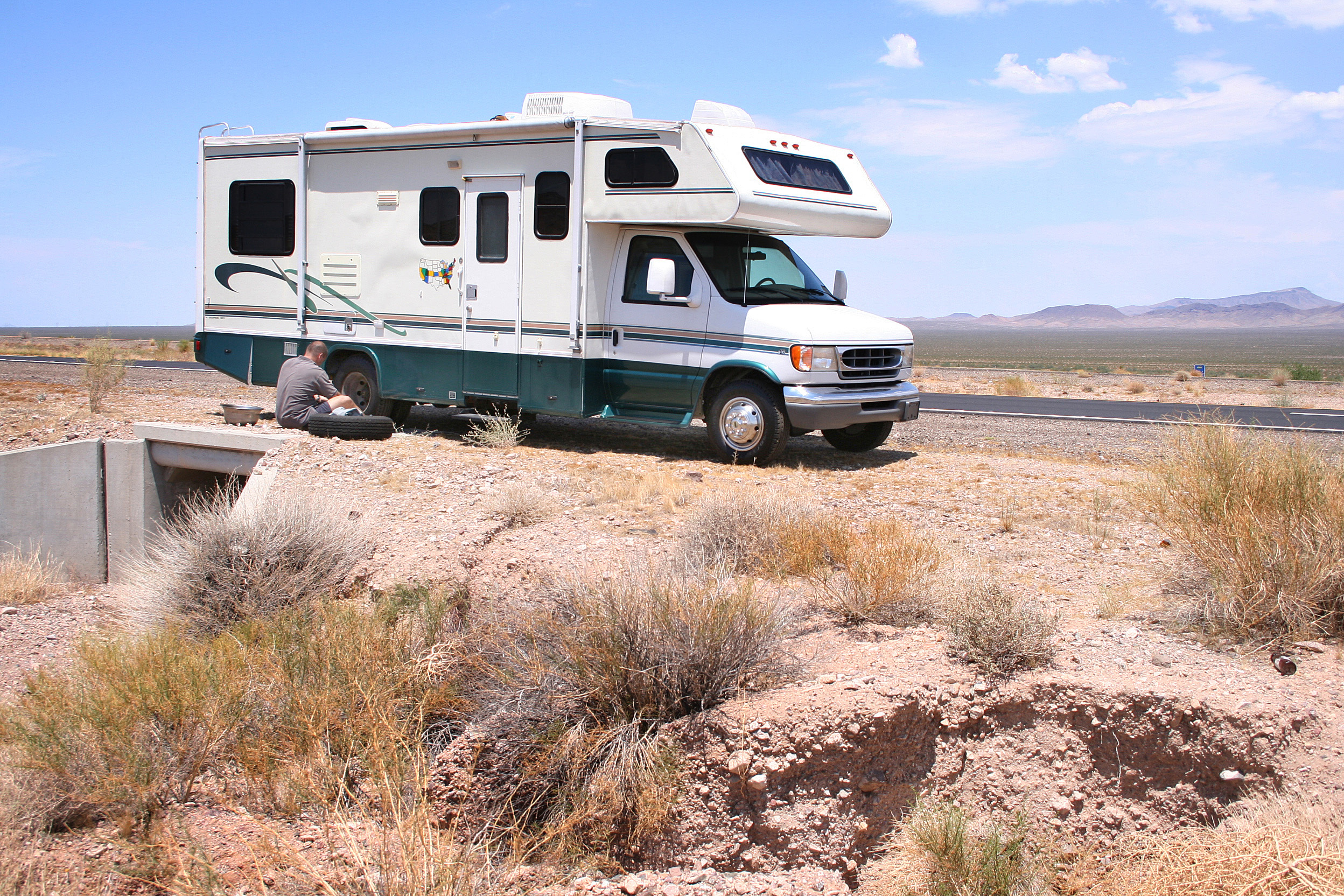
For most RV owners, the experience inside the vehicle has never been better. Touchscreens, diagnostics, GPS integration, and connected systems have made travel more predictable and controlled. Many newer models can identify issues before they become serious problems.
As that technology advances, roadside assistance apps for providers are becoming a critical part of keeping the support experience aligned with how modern RVs actually operate.
But when something actually goes wrong, that experience breaks down.
Despite all the advancements inside the RV, the support process still relies on outdated systems. Phone calls, repeated explanations, and long wait times are still common. This is where RV service automation begins to stand out, not as an upgrade, but as a necessary correction.
The Technology Gap Is Real
Modern RVs are built to communicate. They generate data, monitor performance, and provide insight in real time. The expectation is that this intelligence should extend beyond the vehicle itself.
Instead, there is a disconnect.
When a breakdown happens, the system supporting the response often has none of that context. The driver becomes the bridge between advanced technology and a manual service process. Details have to be explained from scratch, and progress depends on how quickly that information can move between disconnected teams.
That gap slows everything down.
The Breakdown Is Only Part of the Problem
The issue itself is rarely what creates the most frustration. It is everything that follows.
A call is placed. Information is shared. Then it is repeated. The request moves between departments while decisions are made manually. In many cases, the delay is not caused by a lack of available help, but by how long it takes to organize the response.
This is where traditional roadside models fall short. They were not designed to handle the complexity of modern RV systems or the expectations that come with them.
Why the Experience Feels Outdated
There is a reason the shift feels so noticeable.
Inside the RV, everything is immediate. Alerts are instant. Navigation updates in real time. Systems are connected and responsive. The moment you step outside of that environment and into the service process, the pace changes completely.
It feels like moving between two different eras of technology.
That contrast is what defines the current experience for many RV owners.
What Changes With RV Service Automation
RV service automation removes the need to start from zero when something goes wrong.
Instead of relying on manual intake and fragmented communication, information is captured, structured, and routed automatically. The system already understands key details like vehicle type, location, and the nature of the issue.
From there, the next step is immediate.
Routing becomes faster because decisions are made with full context. The right provider is identified based on capability, not guesswork. Updates can be shared without requiring additional calls or follow-ups.
The process becomes continuous instead of reactive.
Faster Response Comes From Better Coordination
Speed in roadside support is not just about how quickly someone answers a call. It is about how quickly the right action is taken.
With automation, multiple factors are evaluated at once:
● Vehicle size and requirements
● Type and urgency of the issue
● Location and available providers
● Service or warranty considerations
When those inputs are processed instantly, delays caused by manual coordination begin to disappear.
This is where real time savings happen.
A More Connected Service Experience
One of the most frustrating parts of RV ownership has been navigating the overlap between roadside assistance, service centers, and warranty providers.
Each operates separately, which creates confusion and slows resolution.
RV service automation connects those systems into a single flow. Instead of pushing the customer between departments, the process moves internally based on what is needed.
That alignment reduces friction and creates a clearer path forward.
A Shift That Feels Immediate
The change is not dramatic on the surface. There is no new learning curve for the customer.
But the experience improves in ways that are easy to notice.
Less waiting. Fewer repeated conversations. Clearer updates. Faster movement from problem to resolution.
That is what happens when the support system finally matches the intelligence of the RV itself.
Where This Is Heading
RV technology will continue to evolve. Vehicles will become more connected, more predictive, and more capable over time.
The support systems around them need to keep up.
RV service automation is not about adding complexity. It is about removing the gaps that slow everything down and replacing them with a process that moves with the same precision as the vehicle.
That shift is already underway.
Bringing Roadside Into the Modern RV Experience
The difference between a stressful breakdown and a manageable situation comes down to how the response is handled. When systems are connected, the experience changes completely.
That is where The Happy Camper is rethinking how roadside support works, using smarter coordination and tools like roadside assistance apps for providers to improve how requests are received, routed, and resolved. The result is a more direct, informed path from issue to resolution that removes unnecessary friction.
See how The Happy Camper is making roadside support feel as connected and capable as the RV you are traveling in.