
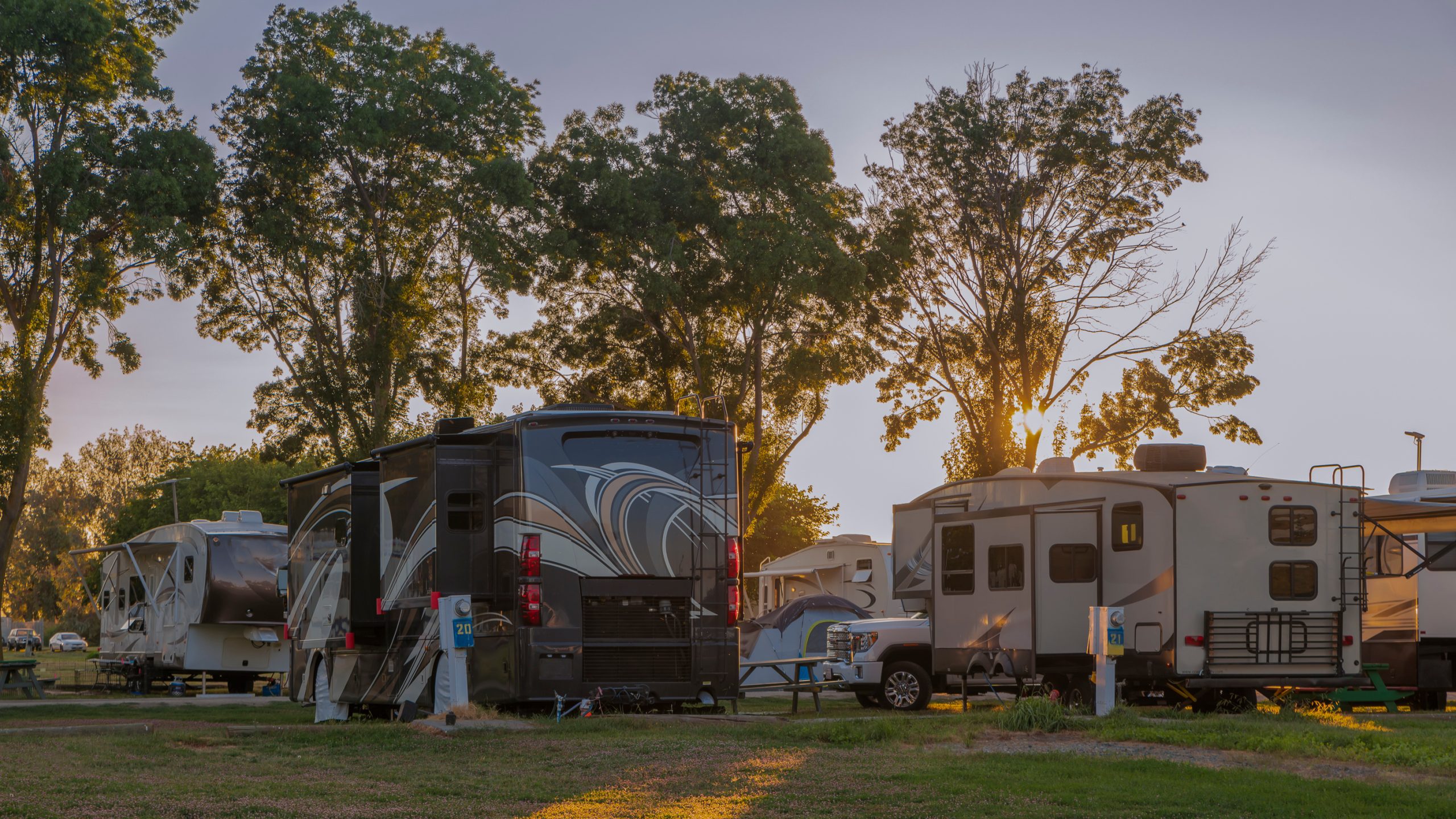
The RV industry does not have a random service problem. It has a timing problem. In 2021, roughly 600,000 RVs were sold during one of the biggest ownership surges the category has ever seen, and many of those buyers are now reaching the same point in the ownership lifecycle at the same time.
In 2026, that massive group of owners is entering year five, which is exactly when RV service automation becomes more than an operational upgrade. It becomes a way to manage a predictable wave of service demand before it overwhelms the teams responsible for handling it.
This is not a coincidence.
The 2021 boom brought thousands of new buyers into the RV lifestyle, many of them first-time owners. They were excited, motivated, and ready to travel. Dealers were focused on moving inventory, answering buyer questions, completing deliveries, and helping customers get on the road during an unusual period of demand.
Now those same owners are five years into ownership.
The first years may have been filled with learning, short trips, seasonal maintenance, and smaller questions. But by year five, the relationship with the RV changes. Components age. Systems begin to show wear. Warranties may be expiring or already expired. Owners who once called with beginner questions may now be calling with problems that feel more expensive, more confusing, and more urgent.
That timing matters because they are not calling one by one. They are arriving as a cohort.
The 2021 Boom Created the 2026 Service Wave
Every major sales surge eventually becomes a service surge.
When a high number of RVs are sold in the same year, those vehicles do not age separately. They move through the ownership lifecycle together. The same group that entered the market during the 2021 boom is now reaching the stage where maintenance, repairs, warranty questions, service scheduling, and dealer communication become more important.
That is what makes this moment different.
Service departments are not only dealing with normal demand. They are dealing with a compressed ownership wave created five years earlier. The pressure showing up now was built into the system the moment those units were sold.
For dealers, this creates a difficult operational reality. The business may have benefited from the original sale, but the long-term ownership experience still needs to be supported. If the service side was not built to absorb a large number of aging units at the same time, the result is predictable: longer waits, more inbound calls, frustrated owners, delayed follow-ups, and teams stretched beyond capacity.
Year Five Is When Problems Start Feeling Serious
The fifth year of RV ownership is often when smaller inconveniences begin turning into larger concerns.
An owner may notice a slideout issue that was not there before. A water system may need attention. Seals may show wear. Batteries, appliances, HVAC systems, plumbing components, electrical systems, tires, awnings, and other high-use parts may begin requiring more frequent inspection or repair.
Some of these issues are expected. RVs are complex vehicles with living systems built into them, and ongoing maintenance is part of ownership.
But to the customer, the timing can feel sudden.
For many first-time owners, year five may be the first moment when RV ownership feels expensive in a new way. Early confidence can turn into uncertainty. A repair that should feel manageable can become stressful if the owner does not know who to call, what is covered, whether the dealer can help, or how long the process will take.
The service problem becomes a communication problem.
And when many owners reach that point at the same time, the communication burden multiplies.
Warranty Expiration Adds More Pressure
The year five mark also brings warranty confusion to the surface.
Some owners may be nearing the end of certain coverage periods. Others may have warranties that have already expired. Some may not understand what is still covered, what is considered maintenance, what requires authorization, or when the manufacturer, warranty administrator, dealer, or roadside provider should be involved.
That uncertainty creates extra work for service teams.
Every unclear warranty question can turn into multiple calls, emails, internal checks, documentation requests, and follow-ups. The owner may think the dealer controls the answer. The dealer may need to coordinate with a warranty administrator or OEM. The customer may be waiting for clarity while the service team is trying to manage a growing queue.
This is where the volume of the 2021 cohort becomes especially challenging.
One owner with a confusing warranty question is manageable. Thousands of owners reaching the same stage of ownership at once creates a completely different kind of pressure.
Most Service Departments Were Not Built for This Volume
Many dealership service departments were built around normal service flow, not a delayed wave from a record sales year.
They may have experienced technicians, knowledgeable advisors, and committed customer support teams, but the process itself may still depend heavily on manual coordination. Calls come in. Notes are taken. Appointments are scheduled. Parts are checked. Warranty questions are routed. Customers ask for updates. Advisors follow up when they can. Escalations happen when something becomes urgent.
That model can work when demand is steady. It becomes strained when the volume rises quickly.
The issue is not that service teams are unwilling to help. It is that manual systems make every increase in demand harder to manage. More calls mean more interruptions. More repair questions mean more tracking. More customer updates mean more chances for someone to be missed. More warranty confusion means more back-and-forth across teams.
The process starts to depend on memory, effort, and individual follow-through. That is not sustainable when an entire ownership cohort needs support at once.
The Wave Was Predictable
The most important part of this moment is that it was predictable.
The industry knew how many RVs were sold in 2021. It also knows that vehicles age, warranties change, systems wear down, and owners need more support as they move deeper into ownership. The connection between the sales boom and the service pressure was always there.
The problem is that many businesses are better at tracking sales events than ownership lifecycle events.
They know when a customer bought. They may know what unit was sold. They may know when that customer last visited service. But they may not have a clear process for seeing a large group of customers approaching year five, identifying which ones are most likely to need help, and communicating before the service department is flooded.
That lack of visibility turns predictable demand into reactive demand. The wave arrives, but the business experiences it like a surprise.
RV Service Automation Helps Dealers Get Ahead of Demand
RV service automation matters because this kind of pressure cannot be solved by asking people to work harder inside the same old process.
Automation can help dealers organize ownership data, identify lifecycle milestones, route customer needs more clearly, reduce repetitive communication, and keep service requests moving with fewer manual touchpoints. It can help teams understand which owners are approaching warranty changes, which customers may need maintenance reminders, and which issues need to be directed to service, roadside, warranty, or OEM support.
The value is not only speed. The value is structure.
When a service department has better structure, customers get clearer communication. Advisors spend less time chasing information. Managers gain better visibility into demand. Owners feel less ignored. The business can prepare for the wave instead of absorbing it one call at a time.
That becomes especially important when the customer base includes a large group of owners hitting year five together.
The Dealers That Prepare Will Feel Different to Customers
From the owner’s perspective, the difference between a prepared dealership and an overwhelmed dealership is easy to feel.
A prepared dealer communicates before the customer has to chase. The process feels clear. The next step is explained. The customer understands who is responsible for what. Service timing, warranty questions, and repair expectations are handled with more consistency.
An overwhelmed dealer may care just as much, but the experience feels different. Calls may go unanswered. Updates may come late. Customers may need to repeat information. Warranty questions may feel confusing. The owner may begin to wonder whether the dealer still wants the relationship after the sale.
That perception matters.
Year five owners are not only deciding how they feel about a repair. They are deciding how they feel about the dealership, the RV, the ownership experience, and whether they would buy again.
The Service Wave Is Already Here
The 2021 sales boom did not end when the units left the lot. It created a long-term ownership responsibility that is now showing up in service departments, call queues, warranty conversations, and customer expectations. The businesses that see this as a temporary inconvenience may continue reacting to the pressure as it arrives. The businesses that see it as a lifecycle event can build better systems around it.
This is where RV service automation becomes a practical advantage. It helps dealers move from scattered reaction to organized ownership support, especially when large groups of customers reach higher-need stages at the same time.
Happy Camper helps businesses bring more visibility, timing, and coordination into the service experience, so the year-five wave is not treated like a surprise and owners are not left wondering where the relationship went after the sale.