
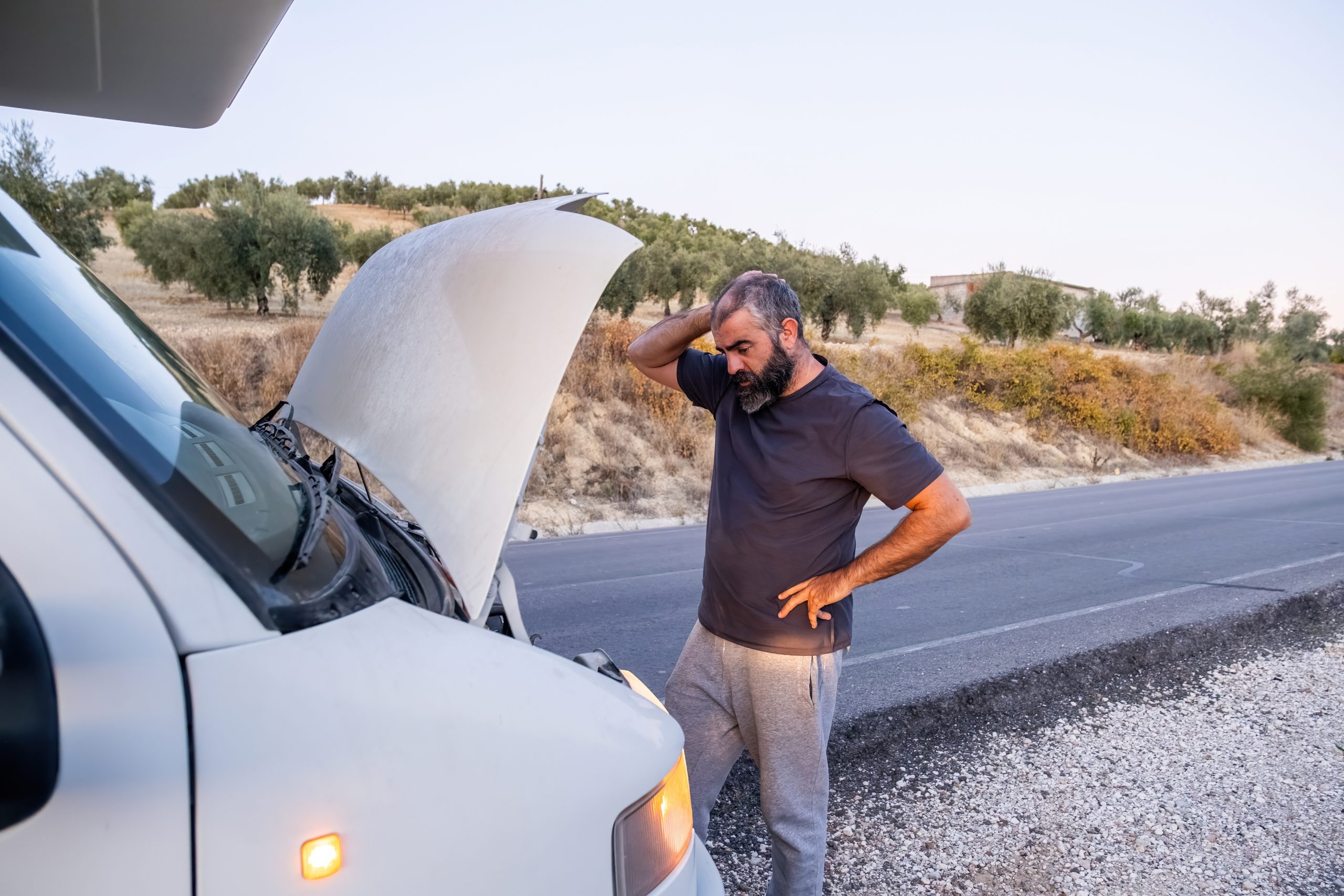
RV service does not have to begin only after something breaks.
Dealers, manufacturers, and service providers already collect information that can help identify when an RV may need attention, including maintenance history, previous repairs, warranty activity, vehicle details, and recurring service concerns. That information cannot predict every failure, but it can help the industry act earlier.
The opportunity is to move from purely reactive RV services toward more proactive ownership support: reminding customers about relevant maintenance, recognizing repeated issues, surfacing prior service history, and giving teams better context before a problem becomes urgent.
Unexpected failures will always happen. The goal is not to predict the future. It is to stop waiting for every ownership need to become a breakdown before using information the industry already has.
Why is RV service still so reactive?
RV service is often reactive because the ownership experience has traditionally been organized around individual events rather than an ongoing picture of the vehicle.
An owner brings the RV in for maintenance, that visit is documented, and the vehicle goes back on the road. Months later, another issue occurs. A new work order is created, another technician examines the problem, and another record is added.
Each interaction may be handled correctly on its own.
The larger question is whether those interactions are being connected.
A service record can tell a business more than what happened during one appointment. Over time, the vehicle’s history can show which components have needed attention, whether maintenance has been completed, how frequently the RV has returned, and whether the same concern has appeared before.
When that information remains trapped inside individual repair orders or disconnected systems, its value is mostly historical.
It tells us what happened.
When the information is connected and used, it can also help inform what should happen next.
What information could help identify RV needs earlier?
Maintenance history, service records, vehicle details, component information, mileage, warranty activity, and previous repairs can all provide useful context.
Consider an owner whose slide has begun hesitating when extending.
Six months earlier, the same RV was brought in because the slide was moving unevenly. A technician adjusted it, documented the repair, and returned the unit to the customer. A few months later, the owner mentioned another minor issue during routine service.
Now the slide is hesitating again.
If the technician handling the current visit can immediately see those earlier interactions, the new symptom is not viewed in isolation. The previous adjustments and complaints become part of the diagnostic picture.
If that information is sitting in another system or buried in an old repair order, the appointment may start from zero.
The same principle applies before an owner reports a problem. If records show that maintenance is approaching or a warranty expiration is coming up, there may be an opportunity to contact the customer while the information is still useful.
That is a very different role for RV services.
Instead of only responding to problems, service becomes part of helping owners stay ahead of some of them.
Preventive service is not the same as predicting every failure
There is an important distinction between proactive service and unrealistic promises.
No amount of data will tell an RV owner exactly when every appliance, mechanical system, electrical component, seal, or moving part will fail.
Components can break unexpectedly. Road conditions vary. Maintenance differs from one owner to another. Storage and usage patterns can also affect what happens over time.
Proactive RV support does not require perfect prediction.
It can be much simpler.
An owner may need a reminder that seasonal maintenance is approaching. A service advisor may benefit from knowing the same issue has appeared twice before. A dealership may see that an important service interval is coming up. An owner may need notice that warranty coverage is nearing expiration before that date passes unnoticed.
These are not predictions that something will fail.
They are opportunities to use known information before an ownership need becomes more disruptive.
The goal is better awareness, not certainty.
How can connected RV information make proactive service practical?
Proactive support becomes much more useful when service and ownership information can follow the RV instead of remaining isolated in separate transactions.
That is one area where The Happy Camper’s VIN-first approach can help. Its platform keys ownership activity to the VIN, while Service Copilot includes service history by VIN so previous work and outcomes can become part of future service interactions.
Care Center for Dealers adds another practical layer. The VIN-based ownership portal can provide proactive reminders for maintenance, renewals, and warranty expiration, while also supporting service and mobile mechanic booking.
Return to the owner with the recurring slide issue.
A connected ownership experience does not mean the system predicts that the slide will fail next Tuesday. It means prior service activity does not disappear after the last repair, relevant maintenance needs can remain visible, and the owner or service team can begin the next interaction with more context.
That is the kind of proactive support that is achievable today.
Why does maintenance history matter so much?
Maintenance history matters because an RV’s current condition is often connected to what has happened before.
A technician looking only at today’s symptom sees one moment in time. A technician who can also see recent maintenance, previous repairs, recurring concerns, and component history has a much more complete starting point.
That can make the service conversation more efficient.
It can also make communication with owners more relevant.
Generic maintenance reminders have limited value when they are disconnected from the actual vehicle. An owner who recently completed a particular service does not need another message telling them to schedule it.
An owner whose history shows that maintenance is coming due may benefit from the same reminder.
That distinction matters.
Proactive service only feels helpful when the message is connected to a genuine ownership need.
Otherwise, it becomes just another email.
Could connected service data reduce repeat problems?
Connected service data can make recurring issues easier to recognize because previous repairs and complaints become part of the next service interaction.
Go back to the owner with the inconsistent slide.
The fact that the slide was adjusted months earlier does not automatically mean the current symptom has the same cause. But that earlier repair is relevant information.
A technician may want to know what was adjusted, whether parts were replaced, what symptoms the customer described previously, and how long the repair appeared to resolve the issue.
Without that history, the customer may have to explain the entire story from memory.
With it, the technician can begin with a clearer understanding of what has already happened.
The same principle can apply across dealers, manufacturers, warranty providers, and service networks. Previous information should not determine the answer, but it should be available as part of the assessment.
Good RV services should learn from the vehicle’s history instead of forcing the owner and technician to reconstruct it every time.
Can AI help identify useful patterns in service information?
AI can also make existing service information more useful by helping teams identify context and patterns that may otherwise be difficult to see.
Within The Happy Camper’s platform, Wheel AI can enrich interactions with VIN, coverage, and history context while supporting summarization, tagging, and trend detection across ownership activity.
That does not mean allowing AI to diagnose every RV problem or predict every component failure.
It can mean making large amounts of existing information easier to use.
If similar questions continually appear around a particular component, if an owner has a long service history that would take a technician significant time to review manually, or if previous cases contain useful context for a current issue, technology can help surface that information.
The value is not simply collecting more data.
It is helping people notice what the data may already be telling them.
What does proactive RV service look like for the owner?
For the owner, proactive RV service should feel useful rather than intrusive.
It might mean receiving a maintenance reminder before the next travel season.
It could mean being notified that a warranty or protection product is approaching expiration so the owner understands when their coverage will change.
It may mean having previous service information available when another issue occurs rather than needing to remember every repair themselves.
And when the owner does contact someone for help, the person answering should ideally begin with relevant context about the RV.
That last point matters because proactive support is not limited to preventing repairs.
It can also mean being better prepared when repairs are unavoidable.
Owners should not have to personally maintain the entire institutional memory of their RV. The businesses and systems supporting the vehicle can make better use of the information already being created throughout ownership.
Why wait for the customer to notice the problem first?
One of the most interesting questions for the industry is why the owner still carries so much responsibility for initiating service.
In many cases, the customer has to notice a symptom, decide whether it matters, figure out who to call, explain what happened, locate previous information, and begin the scheduling process.
By the time RV services become involved, the issue may have existed for weeks or months.
Some problems will always work this way. An unexpected failure may give nobody advance warning.
Others present opportunities for earlier communication through known maintenance intervals, previous service activity, warranty dates, or recurring concerns.
The industry does not need to know exactly what will fail next to become more proactive.
It needs to recognize the situations where information already exists and an owner may benefit from seeing it sooner.
That is a much more realistic goal.
Proactive service can improve the customer relationship too
There is also a relationship advantage to staying connected before something goes wrong.
If the only time an owner hears from a dealership or service provider is when there is a repair, service can begin to feel purely transactional.
The business fixes the problem, the owner leaves, and the relationship goes quiet until something else breaks.
Useful outreach changes that dynamic.
A relevant maintenance reminder, service milestone, warranty notice, or ownership message gives the dealership another opportunity to provide value between repairs.
That can also make routine service easier to plan.
Owners may be able to schedule maintenance before peak travel periods, address smaller concerns earlier, or better understand what their RV needs over time.
For the business, that can create a more consistent service relationship rather than one driven primarily by emergencies.
The Happy Camper’s Care Center is designed in part to maintain that post-sale connection, keep the selling dealer visible throughout the ownership cycle, and give owners access to service, policies, cases, reminders, and booking through a VIN-based portal.
The information already exists. The opportunity is using it sooner.
The RV industry does not need to turn every vehicle into a constantly monitored machine to become more proactive.
A meaningful first step is simply making better use of information that already exists.
Service histories can be connected. Maintenance needs can be tracked. Previous repairs can be surfaced. Warranty expirations can be communicated. Support teams can access vehicle-specific information more easily. Patterns can inform future questions and conversations.
The important shift is from storing information to using it.
A service record should not become valuable only when someone searches for it after something breaks.
It can also help shape what happens before the next repair.
That is where RV services can evolve from a response function into a broader ownership resource.
The question is not whether we can predict every problem
The industry will never prevent every breakdown, and owners should not be led to believe otherwise.
The more useful goal is to become better at recognizing when action may be worth taking earlier.
If an RV has a documented service history, known maintenance needs, recurring concerns, warranty information, and component context available, those details should do more than sit in separate systems waiting for the next repair order.
They can help dealerships and service providers offer better guidance, send more relevant reminders, recognize recurring concerns, and enter future service conversations with a clearer understanding of the vehicle.
The Happy Camper helps make that kind of ongoing ownership support possible through a VIN-first platform that connects service history, ownership activity, proactive reminders, and vehicle-specific context across the customer journey.
The goal is not to know exactly when the next problem will happen.
It is to make better use of what we already know before it does.
For industry partners looking to create a more proactive ownership experience, contact The Happy Camper to learn how connected service information and ongoing support can help keep customers better informed throughout the life of their RV.
Need RV help beyond this topic? The Happy Camper is always happy to support. Get in touch with our team today.
Frequently Asked Questions
Get the answers to the most frequently asked questions about RV service.
What is the most common RV repair?
The most common RV repairs often involve systems that see frequent use or exposure, including roofs and seals, plumbing, electrical components, appliances, slide-outs, and HVAC systems. Regular inspections and maintenance can help identify some issues before they become larger repairs.
Which RV brand has the least problems?
The RV brand with the least problems can vary by model, year, construction, maintenance, and how the RV is used. Rather than relying on brand reputation alone, owners should review warranty coverage, service history, dealer support, and maintenance needs when evaluating an RV.
What is the best RV service?
The best RV service is one that combines qualified technicians, clear communication, accurate service records, and recommendations based on the specific RV and its maintenance history. Strong RV services should help owners understand both what needs attention now and what may need attention next.
What is the average life of an RV?
The average life of an RV varies widely based on construction, maintenance, mileage, climate, storage, and how often it is used. Consistent preventive maintenance and timely repairs can help extend the useful life of many RV systems and components.
Where can I find mobile RV repair services?
Mobile RV repair services can often be found through RV service networks, dealerships, manufacturer resources, campground recommendations, and local technician directories. Owners should confirm that the technician is qualified for the repair and check any warranty or authorization requirements before work begins.