
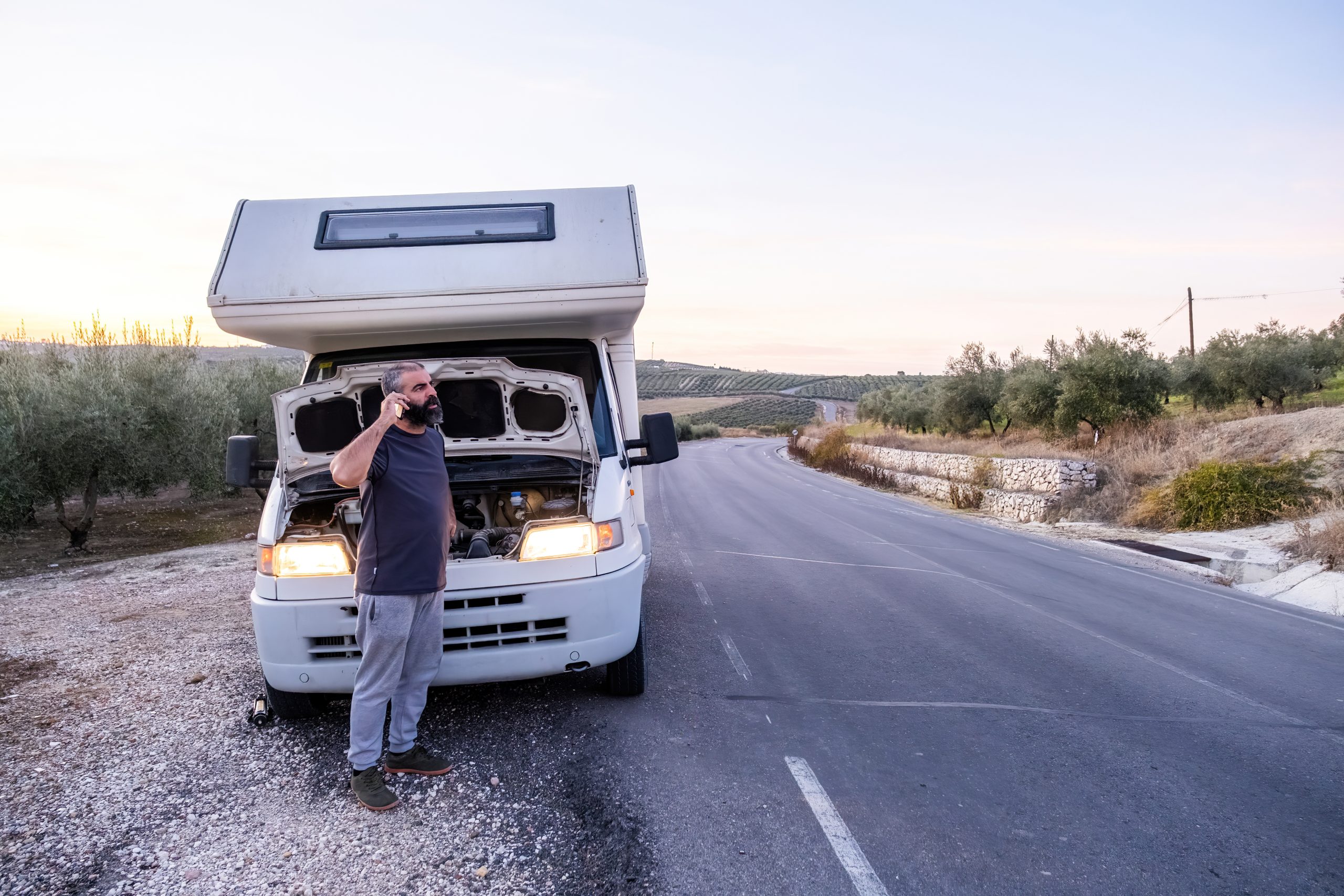
Many RV owners assume that roadside assistance works the same way across all vehicles. If it covers a car, it should cover an RV. But that assumption often breaks down the moment something goes wrong. The reality is that RVs introduce a level of size, weight, and complexity that standard programs are not built to handle.
That is where the difference becomes clear, and why the best RV roadside assistance insurance is designed specifically for RVs, not adapted from auto.
From Class A motorhomes to fifth wheels, these vehicles require a completely different approach to service, towing, and support. When the wrong type of assistance is dispatched, delays increase, risks grow, and the experience quickly becomes more complicated than it needs to be.
RVs Are Not Just Bigger Cars
At a glance, an RV may seem like a larger version of a passenger vehicle. In practice, the differences are much more significant.
RVs involve:
- Greater weight and length that require heavy-duty towing equipment
- Complex onboard systems such as electrical, plumbing, and leveling
- Unique structural considerations that affect how they are transported
- Additional safety concerns during breakdown and recovery
These factors mean that a standard roadside provider, even one that is highly capable with cars, may not be equipped to handle an RV situation properly.
This is where many standard programs fall short. They are built around volume and general coverage, not specialized capability.
When the Wrong Help Gets Dispatched
One of the most common issues RV owners face is being matched with a provider that is not equipped for the job.
This can lead to:
- Delays while a new provider is located
- Additional time spent reassessing the situation
- Increased risk of improper handling or damage
- Frustration for both the customer and the service provider
In these cases, the issue is not the availability of help. It is the mismatch between the request and the capability of the provider.
The best RV roadside assistance insurance avoids this by prioritizing capability from the start. It ensures that the provider being dispatched has the right equipment, experience, and understanding of RV-specific needs.
Heavy-Duty Towing Requires Specialized Equipment
Towing a passenger vehicle is a relatively standardized process. Towing an RV is not.
Class A motorhomes and large fifth wheels require heavy-duty tow trucks designed to handle significant weight and size. These vehicles must be transported with precision to avoid structural stress or damage.
Without the correct equipment, even a routine tow can become a complicated operation.
Specialized RV providers understand:
- Proper attachment points for different RV types
- How to manage weight distribution during towing
- Clearance considerations for height and length
- Safe handling procedures for large units
This level of expertise is not always present in standard auto roadside networks. That is why specialization matters.
Capability Matching Is What Reduces Delays
When an RV breakdown occurs, the first decision made is often the most important. Choosing the right provider at the start can prevent multiple layers of delay.
Capability matching involves aligning the request with the right provider based on:
- The type and size of the RV
- The nature of the issue
- The location and accessibility of the vehicle
- The equipment required for safe service or towing
Without this level of coordination, the process can involve multiple handoffs, reassessments, and extended wait times.
The best RV roadside assistance insurance incorporates this type of matching into the dispatch process, reducing the likelihood of misroutes and improving overall response efficiency.
Provider Networks Matter More Than Coverage Alone
Many roadside programs focus on broad coverage areas, but coverage alone does not guarantee the right outcome.
What matters is the strength and specialization of the provider network.
A strong RV-focused network includes:
- Providers experienced with different RV classes and configurations
- Access to heavy-duty towing equipment
- Geographic coverage that includes both highways and remote areas
- Consistent service standards across the network
This ensures that when help is needed, the system can identify not just any provider, but the right provider.
That distinction is what separates a general program from the best RV roadside assistance insurance.
Protecting the RV and the Experience
A breakdown is already an interruption to travel plans. The goal of roadside assistance should be to resolve that interruption as smoothly as possible.
When the right provider is dispatched with the right equipment, the process becomes more predictable. The RV is handled correctly. The timeline is clearer. The overall experience feels more controlled.
When the wrong provider is involved, even simple situations can escalate.
This is why RV-specific support is not just a convenience. It is a necessity for protecting both the vehicle and the travel experience.
Choosing Support Built for RV Owners
As RV travel continues to grow, expectations around support are evolving. Owners are looking for solutions that reflect the realities of their vehicles, not ones that treat them like standard cars.
The best RV roadside assistance insurance is built with that understanding at its core. It prioritizes specialized networks, accurate provider matching, and the ability to handle complex situations with confidence.
If you are evaluating how to better protect your RV and ensure you have the right support when it matters most, The Happy Camper is designed to deliver that level of service. With a focus on RV-specific expertise, strong provider networks, and reliable protection, their approach helps you stay prepared wherever the road takes you.
Connect with The Happy Camper to explore coverage options and find the best RV roadside assistance insurance for your travels.