
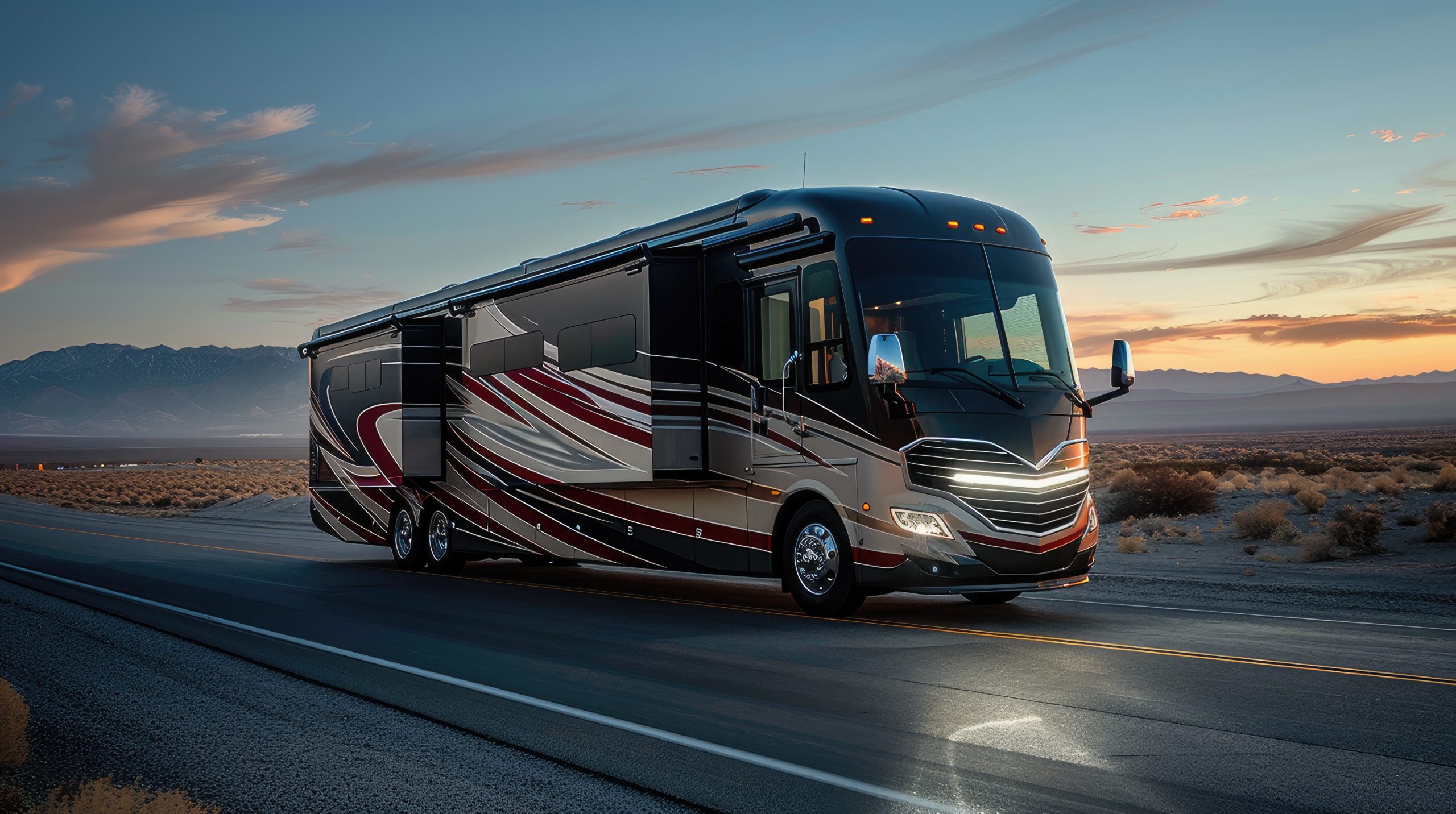
The used RV market is sending a message that dealers and OEMs should not ignore. Buyers still want the lifestyle, but many are becoming more cautious about how they enter it. That is where RV help and RV customer support become part of a much bigger conversation about confidence, not just price.
The obvious explanation is affordability. Used RVs are typically less expensive than new units, and in a higher-rate environment, that matters. Buyers are watching payments more closely. They are comparing monthly costs. They are thinking harder before financing a large discretionary purchase.
That explanation is true, but it may not be complete.
When used RV registrations rise while new shipments fall, the industry should ask a sharper question: are buyers choosing used only because it costs less, or because they trust the post-purchase experience more when someone else has already lived through the first-year problems?
According to RV News, used RV registrations saw positive year-over-year growth of 5.66% in April 2026, based on Statistical Surveys Inc. data. In that same general market environment, RVIA reported that May 2026 total RV shipments were down 18.7% compared to May 2025, and year-to-date shipments were down 14.4% through the first five months of 2026.
Those figures should not be read as one simple conclusion. But they do raise an important question.
What is the used surge really telling the industry?
Used Is Not Just a Price Decision
Price is the easiest part of the used RV story to understand. A buyer may look at a new RV payment and decide the number is too high. They may decide that a gently used unit gives them a more comfortable way into the lifestyle.
But price is not the only risk buyers are trying to reduce.
A used RV can feel safer because it has already been through part of the ownership reality. The first owner may have handled the early warranty issues. They may have discovered the punch list. They may have dealt with the loose cabinet, the leaking seal, the appliance issue, the electrical question, or the service visit that interrupted their plans.
In other words, some buyers may be paying less because they want to let someone else absorb the first-year friction.
That should concern the industry.
Not because used RVs are bad for dealers. Used inventory can create opportunity, trade cycles, service revenue, and new customer relationships. But if buyers are leaning used because the new-RV experience feels too uncertain, that is not only a pricing story.
It is a confidence story.
The First Year Has Become Part of the Product
For many customers, the RV is not judged only by the unit itself. It is judged by the first year of ownership.
That first year includes delivery, education, early service needs, roadside questions, warranty expectations, repair communication, and the customer’s first real test of whether the dealer will stay involved after the sale.
If that experience feels supported, the customer builds confidence.
If it feels chaotic, the customer remembers it.
The industry has often treated first-year issues as a normal part of ownership. Buyers are told that RVs are complex, that adjustments happen, and that service may be needed. That may be true, but it does not answer the customer’s real concern.
The real question is not, “Will something go wrong?”
The real question is, “Will anyone help me when it does?”
That is where RV customer support becomes inseparable from the ownership experience. A buyer may accept that a new RV needs attention. They are far less likely to accept confusion, silence, or feeling like they are on their own after delivery.
Buyers Are Voting Against Uncertainty
When buyers choose used, they may be choosing more than a lower price.
They may be choosing a unit with some of the unknowns already surfaced. They may be choosing a purchase that feels less fragile. They may be choosing the story of “the first owner already worked through it” over the story of “I might be the one discovering every issue.”
That does not mean every used RV is problem-free. It does not mean every new RV delivers a poor experience. It does not mean buyers are rejecting new units altogether.
But it does suggest that confidence matters.
A new RV should feel like the premium choice. It should feel exciting, supported, protected, and worth the higher payment. If a buyer sees new as more expensive and more uncertain, the value proposition weakens.
That is a problem no discount alone can fully fix.
Dealers Feel the Consequences First
OEMs may build the product, but dealers often absorb the customer’s first-year frustration.
The customer calls the dealer when something does not work. They expect the dealer to explain the warranty process. They expect the dealer to help them understand what happens next. They expect the dealer to manage the gap between the excitement of purchase and the reality of ownership.
That puts dealers in a difficult position.
They have to sell confidence while also managing service capacity, parts delays, technician schedules, customer expectations, and manufacturer processes. When the experience breaks down, the customer may not separate who caused the issue from who failed to communicate about it.
They simply remember whether they felt helped.
This is why RV help cannot be treated as a back-end function. It has to be part of the dealer’s value proposition. Buyers need to know that support does not disappear after the paperwork is signed.
The Used Trend Is a Warning, Not Just an Opportunity
A stronger used market can be good for dealers. It can create inventory movement, trade-in opportunities, and new service relationships.
But it should also be treated as feedback.
If customers are increasingly comfortable buying used while hesitating on new, the industry needs to understand what they are trying to avoid. Is it only the price? Or is it the fear of being the first person to find out what needs fixing?
That distinction matters.
If the issue is only price, then incentives and financing tools may help.
If the issue is trust, then the industry needs a deeper answer.
That answer includes better delivery expectations, clearer communication, stronger first-year support, more visibility during repairs, and a more connected path when owners need help.
New RVs Need a Stronger Ownership Promise
The new-RV experience should not depend on buyers accepting uncertainty as part of the deal.
It should come with a clearer ownership promise.
That does not mean promising perfection. No dealer or OEM can guarantee that every unit will be flawless or that every trip will go exactly as planned.
But the industry can promise better support.
It can make the next step clearer when something happens. It can communicate before customers have to chase answers. It can connect roadside, service, and customer updates more effectively. It can make first-year ownership feel guided instead of improvised.
That is how new RVs become easier to trust.
What the Used Surge Is Really Asking
The rise of used interest should not be dismissed as bargain hunting. It may be saying something more uncomfortable.
Buyers still want RVs. They still want the road, the campground, the flexibility, and the family memories. But some may be less willing to pay a premium for an ownership experience they do not fully trust.
That is the challenge for dealers and OEMs.
The question is not only how to make new RVs more affordable. It is how to make them feel more supported.
Because when customers believe the first year will be confusing, they may look for a way around it. When they believe someone else has already taken the hit, used starts to feel safer.
RV help and RV customer support give dealers a way to change that perception. Happy Camper helps RV teams create a more connected ownership experience through service coordination, roadside support, and clearer communication when customers need it most.
To learn how Happy Camper can help your dealership build more trust around new and used ownership, contact Happy Camper today.
Need RV help beyond this topic? The Happy Camper is always happy to support! Get in touch with our team now.