
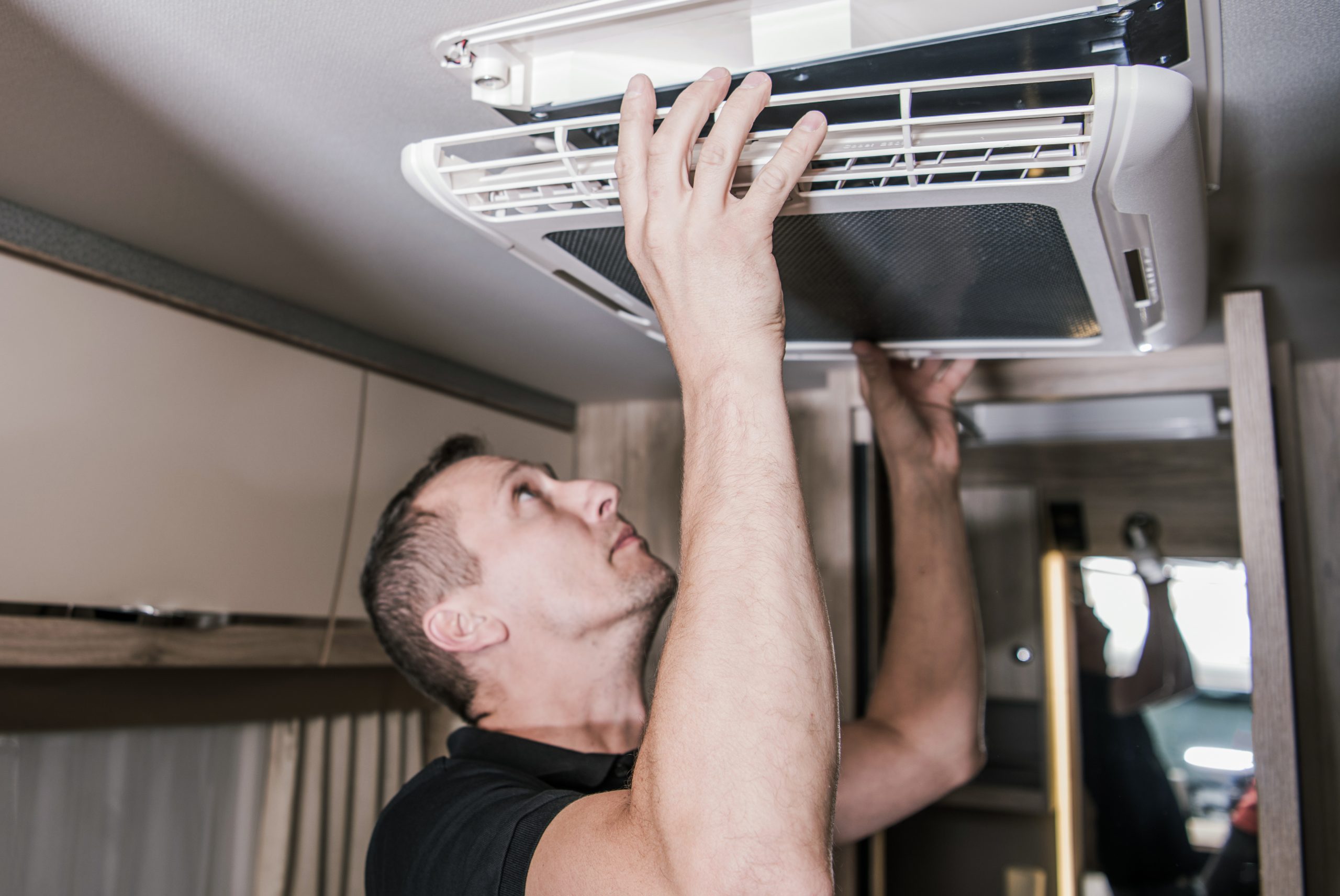
Nobody buys an RV because they are excited to manage cabinet adjustments, loose fittings, slide alignments, appliance questions, and repeat service visits during the first year. They buy for freedom, travel, family time, and the promise of getting away.
But for too many owners, the first season becomes a cycle of small problems, service appointments, and waiting for RV help while trying to understand which RV services are covered, who owns the issue, and when they can actually get back on the road.
Somewhere along the way, the industry quietly normalized the first-year punch list. Owners did not. That distinction matters.
First-year issues are not new. Anyone in the RV space understands that these vehicles are complex. They combine transportation, housing systems, electrical components, plumbing, appliances, furniture, exterior structures, and lifestyle expectations into one product that moves down the road. Some adjustments are expected. Some repairs are inevitable. Some post-sale support will always be part of ownership.
But the fact that a first-year service reality exists does not mean customers experience it as normal.
To the owner, it often feels like the dream they just bought immediately came with homework.
The First Season Should Not Feel Like a Second Delivery Process.
Delivery day is supposed to feel like the beginning of ownership. The customer has signed, walked through the unit, learned the basics, and imagined the first trip. They leave with excitement.
Then come the little things.
A drawer does not close correctly. A cabinet needs adjustment. A slide feels off. A seal raises questions. An appliance behaves differently than expected. A part needs to be ordered. A service appointment gets scheduled weeks out. One fix reveals another issue. The owner starts wondering whether this is just how RV ownership is supposed to feel.
That question is dangerous.
Because when a customer starts to believe frustration is built into the experience, their relationship with the dealer and brand changes. They may still love camping. They may still love the lifestyle. But they begin separating that love from the company that sold them the unit.
That is where loyalty becomes fragile.
The first season should build confidence. Instead, it too often tests patience.
The Punch List Is Not Just a Service Issue.
It is easy to treat first-year items as operational details. A ticket gets opened. A service bay gets scheduled. A warranty process gets started. A technician handles the fix.
But the customer is not experiencing a ticket.
They are experiencing uncertainty.
They are wondering whether the issue is serious. They are wondering whether they should use the RV before the appointment. They are wondering whether the dealer is annoyed with them for calling again. They are wondering whether every trip will reveal a new problem.
This is where better RV help becomes critical.
Support during the first year is not only about completing repairs. It is about helping the owner understand what is happening, what is normal, what needs attention, and what the next step looks like. Without that communication, even small issues can feel larger than they are.
A loose fitting may be simple.
A loose fitting with no explanation can become evidence, in the customer’s mind, that they made the wrong purchase.
Owners Never Agreed to Trade Adventure for Admin.
The RV industry sells lifestyle. It sells weekends, sunsets, national parks, tailgates, summer memories, and quiet mornings outside.
It does not sell “please plan your first season around service availability.”
Yet that is how ownership can feel when post-sale communication is weak.
The customer may have accepted that maintenance is part of ownership. They may have accepted that complex products need support. They may have accepted that not everything will be perfect forever.
But they did not agree to feel like they are managing the system alone.
When owners have to chase updates, repeat the same issue, interpret warranty language, coordinate appointments, and rearrange trips around unanswered questions, the emotional cost grows. The unit may be in service for a fix, but the relationship is also being repaired or damaged at the same time.
That is why RV services need to be viewed through a broader lens.
Service is not only the work done on the unit. It is the communication wrapped around the work. It is the expectation set before the appointment. It is the follow-up after the visit. It is the reassurance that the owner has not been forgotten between delivery day and the next trip.
Proactive Communication Changes the Entire First-Year Experience.
Not every issue can be prevented. Not every delay can be shortened. Not every service department can magically create more capacity during peak season.
But communication can change how the customer experiences those realities.
A proactive update can keep a small issue from becoming a major frustration. A clear explanation can reduce anxiety. A simple check-in can remind the owner that someone is paying attention. A better handoff between sales, service, warranty, and support can make the entire experience feel more connected.
That connection matters.
Because first-year owners are still forming their opinion. They are deciding whether the dealer was the right choice. They are deciding whether the brand feels dependable. They are deciding whether RV ownership is as rewarding as they hoped it would be.
The industry may think the sale is complete at delivery.
The customer is still deciding.
Year One Sets the Tone for Every Year After.
The first year carries more weight than many companies realize. It is when owners learn how supported they are. It is when expectations either become trust or frustration. It is when small problems either stay small or turn into stories the customer repeats for years.
For dealers and OEMs, this is not a blame conversation. It is a systems conversation.
Complex products need support. Service teams are already stretched. Warranty realities are not simple. But when the experience feels disconnected, the customer does not separate those internal pressures. They only know how ownership feels.
And if year one feels like a service lane instead of an open road, the relationship is starting from behind.
That can be changed.
The companies that lead the next phase of the RV industry will be the ones that stop treating the first-year punch list as something owners should simply accept. They will treat it as a loyalty moment. They will use better RV help, clearer RV services, and proactive communication to guide owners through the realities of year one without letting frustration define the relationship.
To learn how Happy Camper helps dealers, OEMs, and partners protect the post-sale experience, contact Happy Camper today.
Need RV help beyond this topic? The Happy Camper is always happy to support! Get in touch or schedule a demo with our team now.