
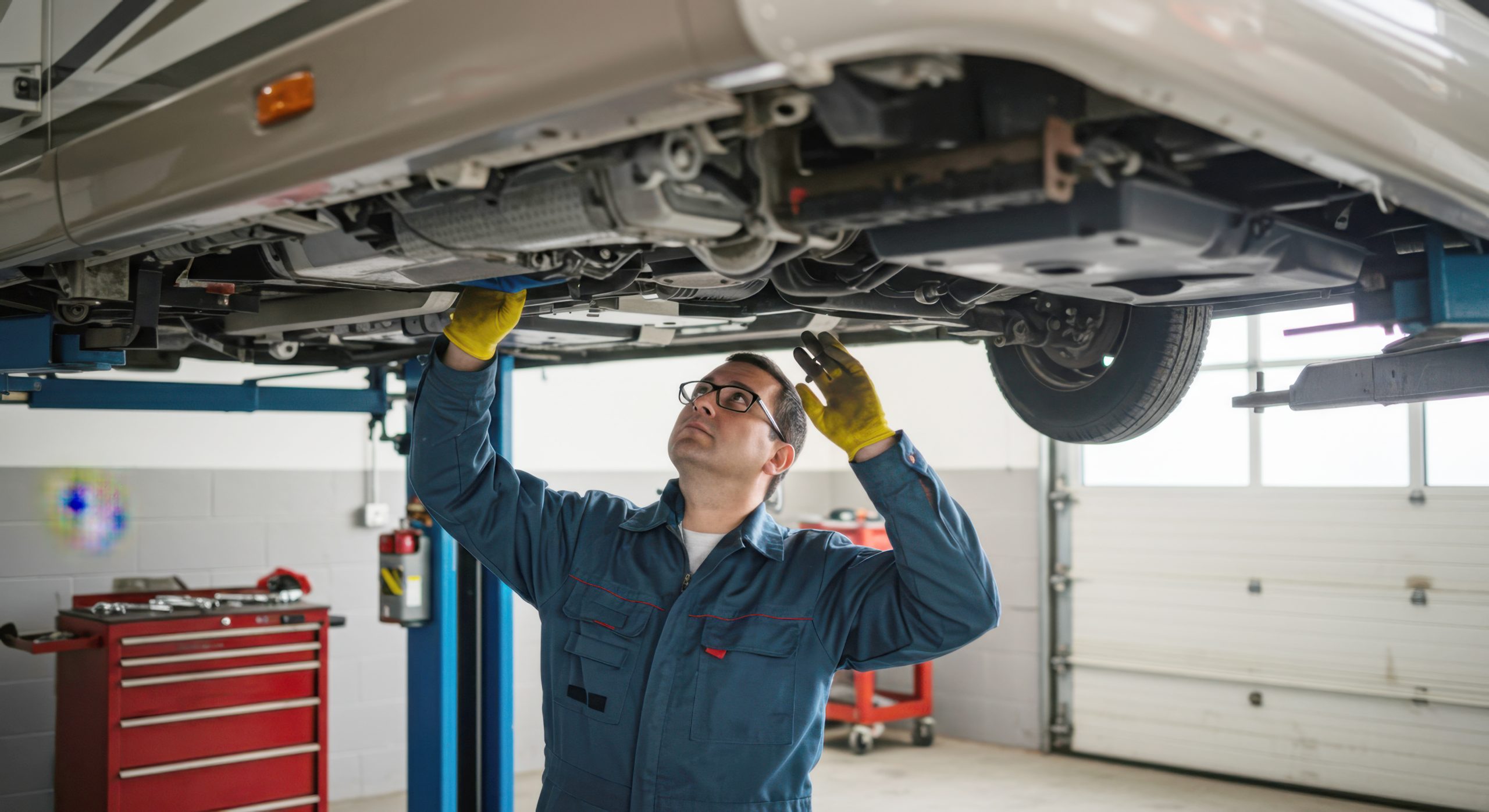
For decades, RV service has largely followed a familiar sequence: the customer brings the RV to the dealership, a repair order is opened, and the service process officially begins.
That model still matters.
But it no longer has to define the starting point.
Owners increasingly expect to begin service interactions remotely. They schedule appointments online, send photos, communicate digitally, and look for answers before making a trip across town or moving a large vehicle out of storage.
RV service can work the same way.
The first step may happen through remote intake, digital scheduling, mobile service, triage, or a broader network of qualified providers. In other words, the service relationship can begin before the RV ever reaches a physical bay.
That changes more than convenience. It changes how dealerships think about access to RV services in the first place.
Service Often Begins Before Anyone Picks Up a Wrench
Many customer concerns start with a question, not a repair.
A warning light appears. A slide sounds unusual. An appliance stops working. A leak develops. Something feels different while the customer is traveling.
At that point, the owner may not know what kind of service they need.
Traditionally, the safest next step has often been to call the dealership and schedule an appointment. But that can move the customer toward a physical visit before anyone has enough information to know whether one is necessary.
Remote intake creates another option.
The owner can provide symptoms, photos, videos, unit details, warranty information, and other context before moving the RV. That information can help determine whether the issue is urgent, whether a mobile technician may be appropriate, or whether a dealership appointment is the right next step.
The service process has already started, even though the RV has not moved.
That is an important shift.
Instead of treating arrival at the dealership as the beginning of service, dealerships can begin with diagnosis, direction, and triage.
Mobile Service Gives Dealers Another Starting Point
Mobile service expands that idea further.
Getting an RV to a dealership is not always simple. The unit may be parked at a campground, stored away from home, temporarily immobile, or hundreds of miles from the selling dealer.
For certain issues, the most practical first service interaction may happen where the RV already is.
A mobile technician may be able to perform an inspection, routine maintenance, basic diagnostics, or an eligible repair at a residence, storage facility, campsite, or another location.
That does not diminish the role of the dealership service department.
Major repairs, specialized equipment, complex warranty work, parts availability, and technician expertise will continue to make physical service facilities essential.
The distinction is that the service bay does not have to be the default first stop for every problem.
A dealership can reserve its bays for the work that truly requires them while using other service options to begin the process earlier and more conveniently.
Scheduling Can Become Part of Diagnosis
Digital scheduling is often treated as a convenience feature.
The customer chooses a date, selects a time, and submits an appointment request.
That is useful, but it leaves a larger opportunity on the table.
The scheduling process can also help determine what should happen next.
Instead of only asking when the customer wants to come in, a stronger intake process can ask what is happening with the RV, what unit they own, whether the issue involves a warranty, where the RV is located, and whether supporting photos or videos are available.
That information can influence the service path before an appointment is ever booked.
Some concerns may need a dealership visit. Others may be better suited for mobile service. Certain questions may need roadside support or another specialist. A few may be resolved with information alone.
Now digital scheduling is doing more than reserving space on a calendar.
It is helping route demand.
That can improve the experience for the customer while giving the service department better information before work begins.
The Right Service Location Depends on the Problem
Once service can begin remotely, the dealership has more flexibility in deciding where the next step should happen.
The selling dealer may still be the right destination.
But depending on the issue and the owner’s location, the better option could be another authorized dealership, a mobile technician, a roadside provider, a warranty resource, or another qualified service partner.
That is where distributed service becomes valuable.
The important part is not that every service need stays under one roof.
It is that the customer has a clear entry point and does not have to figure out the network alone.
A distributed model works best when the owner knows where to begin, why they are being routed somewhere else, and what the next step will be.
Without that structure, distributed service feels like being passed around.
With it, the dealership can extend its service reach without pretending every repair must physically return to the same building.
The Service Bay Is a Destination, Not Always the Starting Line
Dealership service departments remain central to RV ownership.
They provide technicians, equipment, parts access, warranty expertise, facilities, and repair capabilities that cannot be replicated everywhere.
What is changing is the path that leads to them.
Remote intake may identify the issue first.
Digital scheduling may determine the right appointment type.
Mobile service may handle work that does not require a full facility.
Another service partner may assist when the owner is traveling.
The dealership service bay can then handle the repairs and situations where its resources matter most.
That creates a more flexible model without minimizing the dealership’s role.
It simply recognizes that RV services can begin long before a unit crosses the service department threshold.
Start Service at the Moment the Owner Needs Direction
The traditional model starts service when the RV arrives.
A more flexible model starts when the owner first needs help deciding what to do.
Sometimes the next step will still be bringing the RV to the dealership. Other times, it may begin with a remote intake form, a phone conversation, a mobile technician, or routing to another qualified service option.
The goal is not to move RV services away from dealerships.
It is to make dealership service easier to enter.
The Happy Camper Care Center can help dealerships create that earlier point of access by giving owners a place to begin with questions, service needs, and support requests before they arrive at the dealership. From there, the customer can be guided toward the appropriate next step, whether that means mobile service, a dealership appointment, roadside assistance, or another service resource.
Service does not have to start when the RV reaches the bay. It can start when the owner first raises their hand.
Need RV help beyond this topic? The Happy Camper is always happy to support. Get in touch with our team today.