
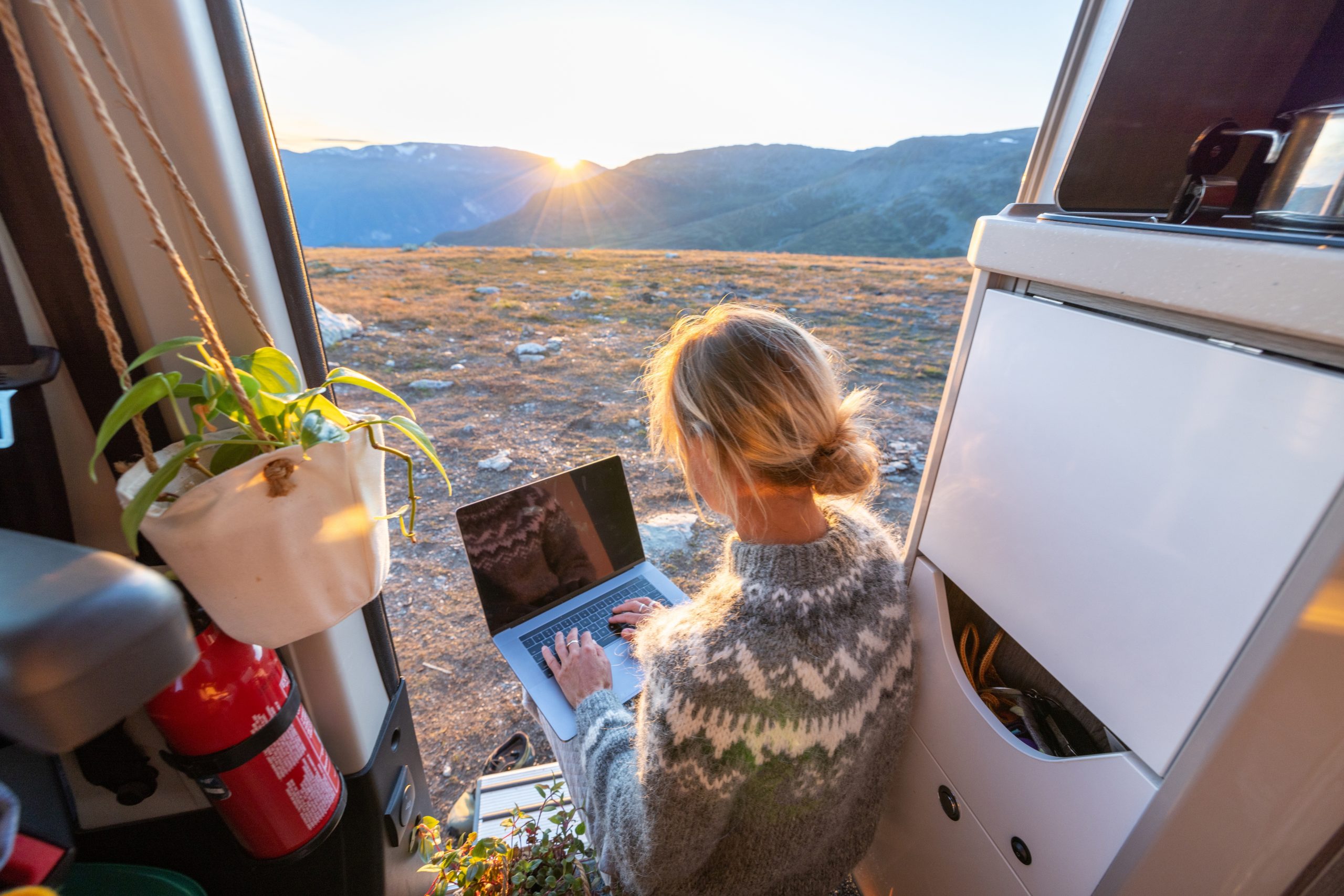
Dealerships invest heavily in physical spaces designed to sell, service, and showcase RVs. But most customers only visit those spaces a few times each year. Ownership happens every day. When customers need RV help, access a document, review warranty information, or prepare for service, the dealership should not require a phone call or in-person visit to remain useful.
The next evolution of the dealership is not another building.
It is a digital front door.
A digital destination gives owners a reason to return to the dealership throughout ownership, not only when they are ready to buy, schedule service, or resolve a problem.
The Physical Dealership Cannot Support Every Ownership Moment
Dealership facilities matter. Customers need places to explore inventory, complete delivery, purchase parts, and receive professional service.
But a physical location has natural limits.
It operates during set hours. It may be miles away from the customer. It cannot travel with an owner to a campground, storage facility, driveway, or roadside stop.
The customer’s questions do not always appear while the dealership is open.
They appear when the owner is preparing for a trip, trying to locate a manual, checking warranty coverage, or deciding whether an issue requires immediate service.
In those moments, the dealership still has an opportunity to be present.
It simply needs a different kind of doorway.
A Website Is Not Automatically a Digital Front Door
Most dealerships already have websites, but those sites are primarily built for prospective buyers.
They feature available inventory, financing applications, trade-in forms, promotions, and sales contact information. Once the customer completes the purchase, the website often becomes far less relevant.
A digital front door serves a different purpose.
It gives existing owners one clear place to begin whenever they need support. Instead of navigating multiple portals, searching old emails, or calling several departments, customers can return to a destination connected to their specific RV.
That distinction matters.
A sales website helps people choose a unit.
An ownership platform helps them live with it.
The Care Center Keeps the Selling Dealer Visible
The Happy Camper Care Center gives dealerships a VIN-based ownership hub that remains useful long after delivery.
Because the experience is tied to the owner’s specific RV, it can centralize the information that otherwise becomes scattered across systems, inboxes, portals, and paperwork.
Owners can return to one destination for documentation, service guidance, warranty information, support resources, and relevant RV help.
This keeps the selling dealer at the center of the relationship.
Without that continued presence, customers may turn to Google, online forums, third-party repair shops, or other dealers whenever a question arises. Over time, those outside sources can become more familiar than the dealership that originally sold the unit.
The Care Center gives owners a natural reason to come back.
Centralized Information Makes Service Easier
A digital front door does not replace the service department.
It improves the path into it.
Owners can access documents, gather the correct information, and better understand their next step before contacting the dealership. Service teams can direct customers toward unit-specific resources instead of repeatedly answering basic questions or helping them locate paperwork.
The experience can also help customers prepare for appointments by clarifying what information, photos, or records may be needed.
That creates a more efficient interaction for everyone.
Customers spend less time searching and repeating themselves. Dealership teams receive better context before the service conversation begins.
Continuous Engagement Creates New Opportunities
A digital ownership hub also gives dealerships a more relevant way to stay connected.
Rather than relying only on generic promotions, dealers can engage owners around the actual needs of their RV and ownership journey.
That might include maintenance reminders, warranty milestones, seasonal guidance, service recommendations, or information about protection products and other F&I opportunities.
The difference is context.
An offer presented during the sales process may feel like another item to consider. The same option presented later, when it aligns with an owner’s actual needs, can feel more useful and timely.
Continuous engagement helps the dealership create value between transactions instead of waiting for the customer to return on their own.
Build the Destination Owners Return To
Dealerships do not need to replace their physical locations.
They need to extend them.
A digital front door allows the dealership to remain accessible when the showroom is closed, the customer is traveling, or the next in-person visit is months away. It turns the relationship from a series of isolated transactions into an ongoing ownership experience.
The dealerships that remain central after delivery will not necessarily be the ones with the largest buildings.
They will be the ones that give customers the clearest reason to return.
The Happy Camper Care Center creates that destination by giving owners a VIN-based hub for documents, service support, F&I opportunities, and ongoing RV help. Visit The Happy Camper to explore how a digital front door can keep your dealership visible and valuable throughout the ownership journey.
Need RV help beyond this topic? The Happy Camper is always happy to support. Get in touch with our team today.