

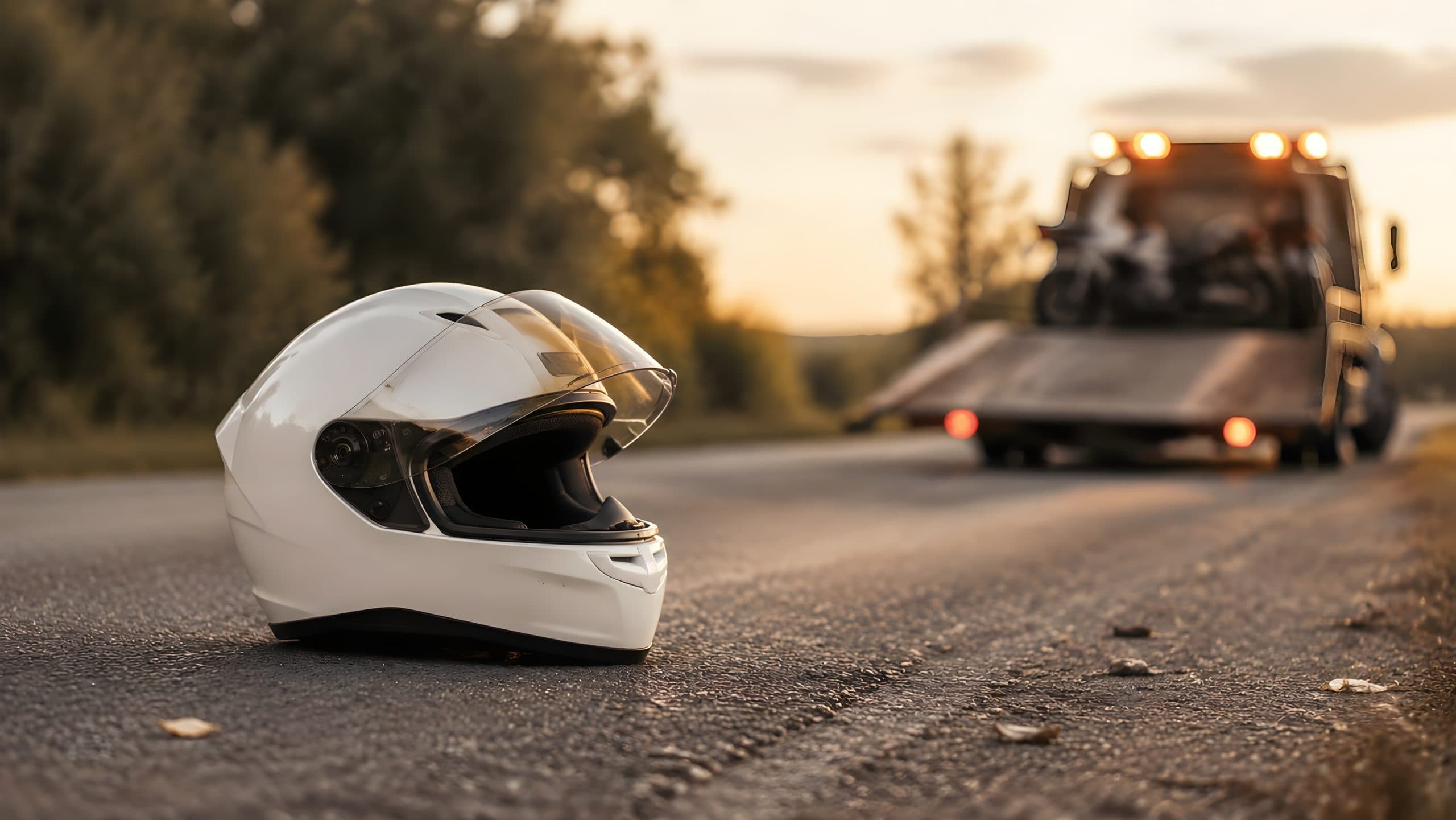
For boat owners, that may mean needing a boat towing service after an engine problem leaves them stranded away from the dock. For motorcycle riders, it may mean needing towing or recovery when a breakdown happens miles from home.
The environments are different, but the ownership challenge is similar. The customer needs to know where to turn, what help is available, how quickly someone can respond, and what happens next.
As marine and powersports ownership continue to create new opportunities for customer support, roadside assistance provides a useful place to start the conversation.
What does roadside assistance look like for a boat?
For boat owners, roadside assistance happens on the water.
A mechanical problem that might mean pulling onto the shoulder in a car becomes much more complicated when the owner is offshore, on a lake, or several miles from the nearest marina.
That is why marine assistance goes well beyond simply towing a disabled vessel.
Existing on-water assistance programs demonstrate how broad the need can be. Services may include towing, fuel delivery, battery jump starts, parts delivery, assistance with certain groundings or entanglements, and other forms of help designed to either get the boat moving again or get it somewhere repairs can be made.
Imagine a family spending an afternoon on the water when the boat suddenly will not restart.
Their first concern is not which internal department handles the request. They want to know whether someone can reach them, whether the boat can be restarted on the water, and, if it cannot, how they are getting back to shore.
That is where a boat towing service becomes part of a larger ownership-support experience rather than simply a tow.
Boat towing service is really about getting the owner to the next step
The tow itself is important, but it is only part of the experience.
The owner first has to explain what happened and where they are. Someone has to determine what type of assistance is appropriate. A service provider needs to be identified and dispatched. The owner needs to know that help is coming and ideally have some understanding of what happens once the boat reaches shore.
Those steps should feel connected.
That matters because not every marine incident ultimately requires towing. Some situations can be addressed with fuel, a jump start, parts, or another form of on-water assistance. One major marine assistance provider reports that a significant portion of its calls are resolved without a tow.
For the owner, however, the distinction matters less than the outcome.
They have a disabled boat and need someone to help determine the right response.
The best assistance experience begins there.
What happens when a motorcycle breaks down?
Motorcycles create a different version of the same problem.
A rider can experience a dead battery, mechanical failure, flat tire, or other issue that makes the bike unsafe or impossible to ride. Motorcycle roadside programs commonly include services such as towing, battery assistance, fuel delivery, and flat-tire support. GEICO
But motorcycle towing is not simply a smaller version of towing a car.
The bike needs to be transported safely, the rider may be standing alongside a busy road or in an unfamiliar area, and there may be fewer options for resolving the problem on location.
Consider a rider taking a weekend trip several hours from home when the motorcycle experiences a mechanical issue.
The first question is safety: can the bike continue to be ridden?
If the answer is no, the next questions arrive quickly. Who can transport it? Where should it go? Is there an appropriate repair facility nearby? How long will the rider be waiting? What happens to the rider once the motorcycle is being transported?
The tow matters.
So does everything surrounding it.
Why is communication so important during roadside assistance?
When an owner is stranded, uncertainty can become nearly as frustrating as the mechanical problem itself.
They want to know that their request was received. They want to understand what type of help is being sent. They want an estimated arrival time and updates if something changes.
That is true whether the customer is sitting in an RV on the side of the highway, waiting beside a motorcycle, or floating in a disabled boat.
A strong roadside experience therefore requires more than access to a provider. It requires coordination.
The Happy Camper’s existing roadside technology reflects that broader idea. Its Smart Roadside framework is designed around the entire assistance workflow, from intake and triage through eligibility, dispatch coordination, proactive status communication, and closure.
The specific provider, vehicle, and environment may change, but those core customer needs remain remarkably similar.
Different vehicles create different roadside needs
Marine and powersports also show why roadside assistance cannot always be treated as a single standardized service.
An RV may require a heavy-duty tow provider. A motorcycle requires equipment and handling appropriate for a bike. A boat may need assistance delivered on the water rather than on a road at all.
Even within the marine category, an issue may require something other than towing. A fuel problem, battery issue, grounding, or mechanical failure can create very different response needs.
That makes good intake and triage especially important.
The first question should not simply be, “Where should we send a tow truck?”
It should be, “What happened, where is the customer, and what kind of help actually makes sense?”
That approach creates a more useful support experience across every vehicle category.
Roadside assistance is part of the ownership experience
One of the themes that continues to emerge across RV ownership is that support after the sale matters just as much as the experience of buying the vehicle.
The same idea applies to boats and motorcycles.
A dealership, manufacturer, membership provider, or other industry partner may have a strong relationship with the customer at purchase. But that relationship is tested when the owner actually needs something.
When a motorcycle will not start hundreds of miles from home, the rider remembers who helped.
When a boat cannot make it back to the marina, the owner remembers whether getting assistance felt clear and coordinated.
Those moments can shape how customers think about the company supporting them long after the mechanical problem itself has been resolved.
What should better roadside assistance feel like?
Better roadside assistance should reduce the amount of work the stranded owner has to do.
The customer should not have to spend their time figuring out which provider can handle a motorcycle, whether a boat needs towing or another type of on-water service, or who owns the next step after the initial call.
They should be able to explain the problem, provide the necessary vehicle and location information, and move into a coordinated assistance process.
Behind the scenes, that may require several parties.
To the customer, it should feel like one experience.
That principle already matters in RV customer support, where owners may move between dealers, manufacturers, warranty providers, service centers, and roadside networks. It becomes just as important when the vehicle in question has two wheels or spends its time on the water.
The next ownership-support conversation is bigger than RVs
RVs will always have unique support needs, but the broader challenge The Happy Camper has been focused on is not limited to one type of vehicle.
It is about what happens when people invest in something designed to help them travel, explore, and enjoy their time, and then need help keeping that experience moving.
For an RV owner, that might mean roadside assistance after a breakdown.
For a boater, it might mean a boat towing service or on-water assistance when the engine will not restart.
For a motorcycle rider searching for motorcyle towing, it may simply mean finding the right help quickly enough to get themselves and the bike somewhere safe.
Different vehicles. Different environments. The same fundamental expectation: when something goes wrong, ownership support should make the next step easier.
As The Happy Camper continues looking at the broader world of marine and powersports, that is a natural place to begin.
Because no matter where the adventure happens, support matters most when something interrupts it.
Need help beyond this topic? The Happy Camper is always happy to support. Get in touch with our team today.
Frequently Asked Questions
Before you go, learn even more about motorcycle and boat roadside assistance.
What does a boat towing service typically help with?
A boat towing service can help when a vessel cannot safely return to shore on its own. Depending on the situation, assistance may include towing, fuel delivery, battery support, or other on-water help.
When should a boat owner call for towing assistance?
A boat owner should call for towing assistance when the vessel cannot safely continue operating or return to a marina or launch point. The right response depends on the issue, location, and condition of the boat.
How is motorcycle towing different from standard vehicle towing?
Motorcycle towing requires equipment and handling suited to transporting a bike safely. Riders may need towing after a breakdown, flat tire, battery issue, or another problem that makes the motorcycle unsafe to ride.
What should I do if my motorcycle breaks down away from home?
If your motorcycle breaks down, move to a safe location if possible and contact a roadside assistance provider that can coordinate motorcycle towing or other appropriate support. Be ready to provide your location and details about the bike and problem.
Why does coordinated roadside assistance matter for boat and motorcycle owners?
Coordinated roadside assistance can make it easier for owners to understand what help is available, connect with the right provider, receive status updates, and move from the initial problem to the next step without managing the entire process themselves.