

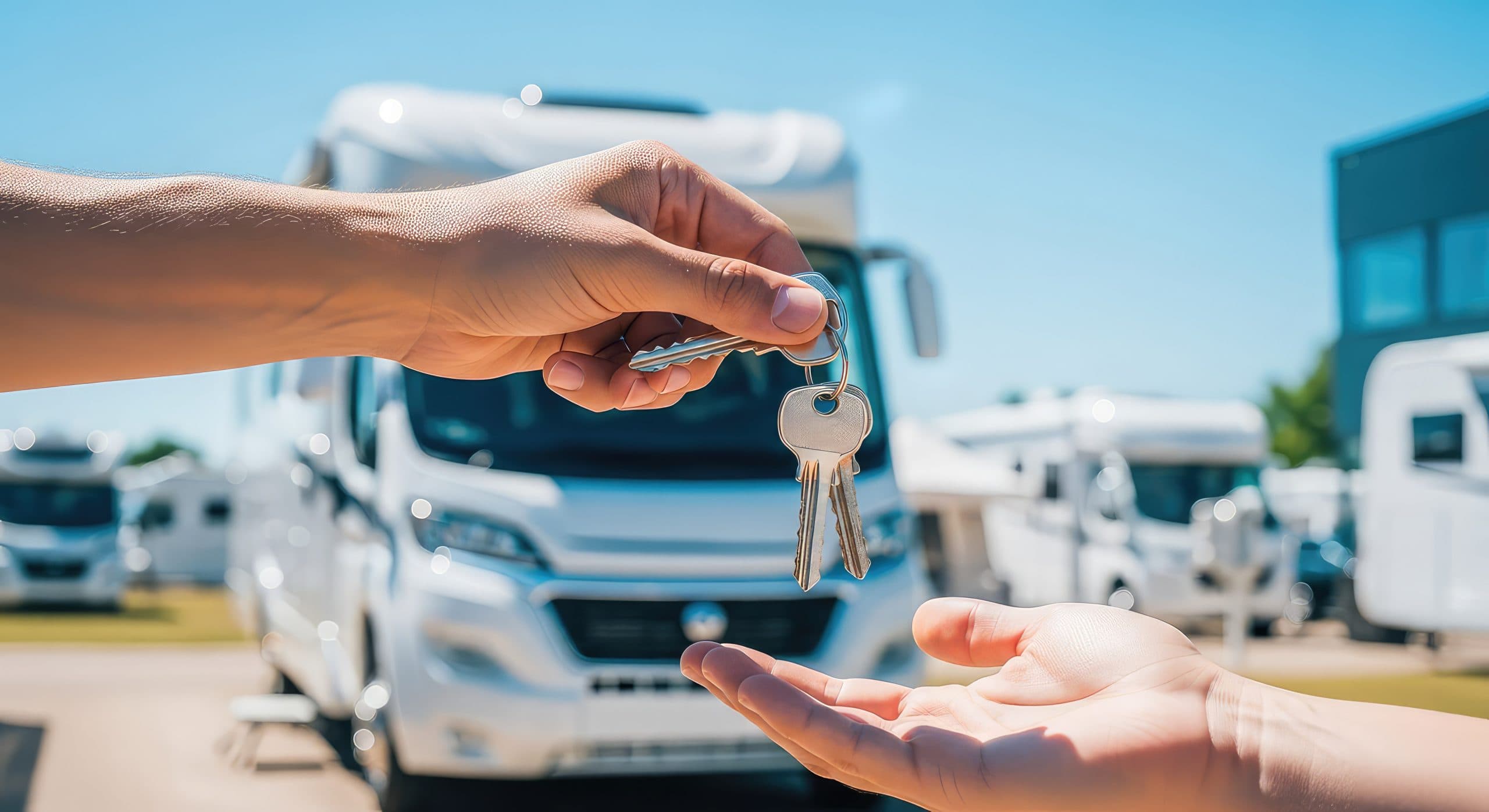
Manufacturers are building better vehicles. Dealers are investing in better sales experiences. Technology providers are introducing tools designed to improve efficiency, communication, and business performance. Yet the ownership experience is still where many of those investments are ultimately tested.
A successful sale creates an RV owner. What happens next determines the strength of the relationship that follows.
The RV Industry Has Mastered the Conversation Around the Sale
Every year, the RV industry gathers to discuss how to improve the business of selling and servicing recreational vehicles. From inventory and financing to dealership operations and new technology, there is no shortage of important topics to address.
But much of the industry’s attention naturally centers on getting customers to the point of purchase.
Dealers work to attract qualified buyers, guide them through a major financial decision, and deliver a vehicle that represents freedom, adventure, and new experiences. Manufacturers focus on building products that meet changing customer expectations, while service providers develop solutions to support increasingly complex operations.
These efforts help drive the industry forward. However, the customer journey does not end when the paperwork is signed or the keys are handed over.
For the owner, that is when the experience really begins.
What Happens When the Customer Needs Help?
Consider a first-time RV owner preparing for their second trip. During the initial inspection, they notice a problem with an onboard system and are unsure whether it is a maintenance issue, a warranty concern, or something that requires a service appointment.
They contact the dealership, but the service department is busy. They reach out to the manufacturer, only to be directed back to the dealer. They search through their purchase documents, trying to understand what is covered and who can help.
The problem itself may be relatively minor. The frustration comes from not knowing where to turn.
This is where RV customer support becomes more than a service department responsibility. It becomes a reflection of how well manufacturers, dealers, and service providers work together after the sale.
Customers should not need to understand the industry’s internal structure to receive help. They should have a clear path to information, assistance, and the next appropriate step.
Better Technology Should Create a Better Ownership Experience
Technology will undoubtedly be a major topic at the RVDA convention, particularly as artificial intelligence, automation, and connected platforms continue influencing dealership operations.
But adding technology does not automatically improve the customer experience.
A dealership may have a sophisticated dealer management system, a separate customer communication platform, a warranty portal, and several service-related tools. Each may perform its intended function well, but if information remains disconnected, employees and owners can still struggle to find answers.
The more important question is whether those systems make ownership easier.
Can a service representative quickly access relevant vehicle information? Can an owner understand their warranty coverage without making multiple phone calls? Can maintenance reminders and service communications reach customers before an issue becomes urgent?
These are the practical opportunities that should guide technology investments.
Through its connected ecosystem, The Happy Camper is working to make information, support, and ownership services more accessible across the RV customer journey. Solutions such as WheelOS and WheelAI reflect a broader approach to connecting the people, processes, and information involved in supporting an RV owner.
The objective is not simply to introduce another tool. It is to make the existing ownership experience work better.
The Opportunity to Build Relationships Beyond Delivery
The commercial value of better ownership support extends well beyond customer satisfaction.
When a dealership maintains a relationship after delivery, it creates more opportunities to provide maintenance, service, protection-product renewals, accessories, and future vehicle purchases. Consistent communication can also help keep the dealership relevant as customers move through different stages of ownership.
For manufacturers, better visibility into owner questions and service experiences can help reveal recurring challenges and opportunities to improve support. For service providers, clearer coordination can make it easier to deliver assistance without unnecessary confusion or duplicated effort.
These relationships depend on trust, and trust is built through experiences that happen long after the original transaction.
An owner who receives a timely maintenance reminder may avoid a preventable problem. An owner who understands the next step in a warranty claim may feel more confident in the process. An owner who receives clear roadside assistance updates may remember the support they received long after their trip resumes.
Each interaction represents another opportunity to reinforce the value of the original purchase.
Make the Next RVDA Conversation About What Comes Next
The RVDA convention brings together organizations that influence nearly every stage of the RV ownership experience. That makes it an opportunity to look beyond individual products, departments, and transactions.
As the industry discusses its priorities for the coming year, manufacturers, dealers, and service providers should consider a few questions:
- How easy is it for an existing customer to find the right support?
- Are maintenance, warranty, and service communications connected or fragmented?
- Can customer-facing teams access the information they need without searching across multiple systems?
- What happens to the customer relationship after the initial sale?
- Are new technology investments solving real ownership challenges?
Answering these questions requires a broader view of what the RV industry is ultimately delivering.
The product may bring the customer into the market, but the ownership experience determines whether they remain confident in that purchase and the companies behind it.
The Future of RV Growth Includes the Owners Already on the Road
New products, stronger dealerships, and more advanced technology will continue shaping the future of the RV industry. Those investments matter, but they should support a larger goal: making RV ownership easier, more connected, and more rewarding over time.
The next opportunity for industry growth may not come exclusively from finding new customers. It may also come from improving the experience of the customers already on the road.
As the industry heads into the RVDA convention, The Happy Camper encourages manufacturers, dealers, and service providers to think beyond the next transaction and consider the full ownership journey. Because better RV customer support is not simply about responding when something goes wrong. It is about building the systems, communication, and relationships that make owners feel supported from the first mile forward.
Need RV help beyond this topic? The Happy Camper is always happy to support. Get in touch with our team today.
Frequently Asked Questions
Before you go, learn even more about the RVDA convention and the importance of supporting RV owners after the sale.
Why is RV customer support important after the sale?
RV customer support helps owners navigate maintenance, warranty questions, roadside assistance, service needs, and general ownership concerns. Consistent support can strengthen customer confidence, reduce confusion, and maintain the relationship between owners, dealerships, and manufacturers long after the initial purchase.
What topics should dealerships prioritize at the RVDA convention?
Alongside sales performance, dealership technology, and business growth, dealerships should consider how to improve the post-sale experience. Important topics include customer communication, service coordination, access to vehicle information, maintenance reminders, and technology that makes it easier to support existing RV owners.
How can technology improve RV customer support?
Technology can help connect ownership information, service records, warranty details, and communication across different teams. When systems work together, customer-facing employees can access information more efficiently, while RV owners benefit from clearer answers, more consistent support, and fewer unnecessary steps when requesting assistance.
How does better post-sale support benefit RV dealerships?
Better post-sale support can help dealerships maintain relationships with existing customers, encourage repeat service visits, support protection-product renewals, and create opportunities for referrals and future purchases. It also helps reinforce customer confidence by demonstrating that the dealership remains available after delivery.
What should manufacturers and service providers consider when improving RV ownership?
Manufacturers and service providers should consider how easily customers can access assistance, understand their warranty coverage, schedule maintenance, and receive updates when problems occur. A more coordinated approach to information and communication can reduce friction and create a more consistent ownership experience across different organizations.