

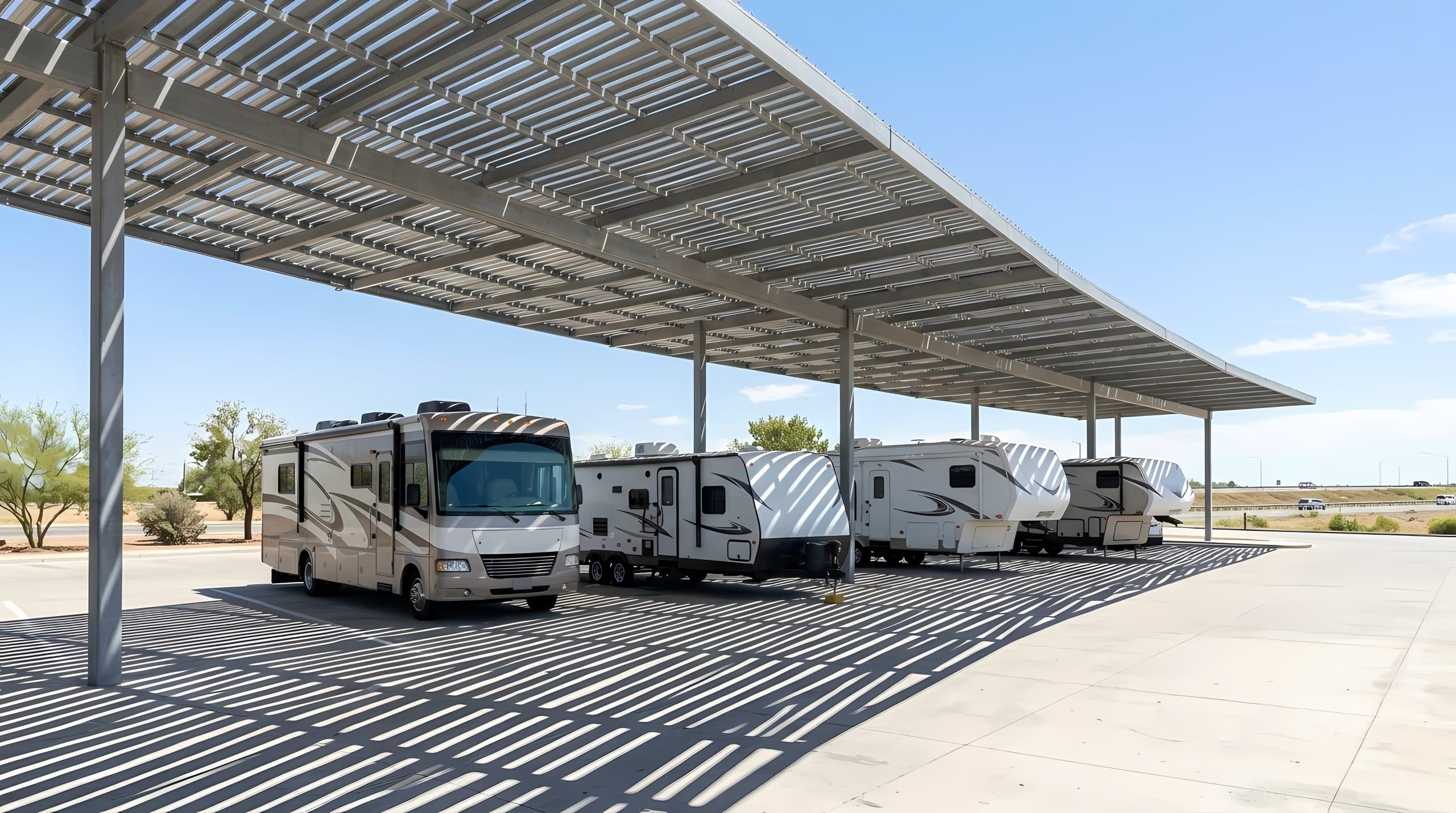
But silence during storage can carry a cost.
Without timely maintenance reminders, service guidance, or opportunities to reconnect, owners may overlook preventive care, experience avoidable damage, or seek assistance elsewhere when problems arise. For dealerships, that can mean missed RV service revenue, weaker customer loyalty, and fewer opportunities to remain involved throughout ownership.
The cost is not simply the maintenance appointment that never gets scheduled. It is the relationship that gradually becomes less valuable because the dealership is no longer part of the owner’s decision-making process.
When the RV Is Parked, Ownership Responsibilities Continue
An RV may spend several months in storage, but that does not mean it stops requiring attention.
Batteries can lose charge, tires may require inspection, moisture can create problems, and plumbing systems need appropriate protection in freezing conditions. Depending on the vehicle and storage environment, owners may also need to monitor seals, ventilation, and other maintenance considerations.
For experienced RV owners, these responsibilities may be familiar. Newer owners may be less certain about what maintenance is necessary, how often to check their vehicles, or which tasks should be performed by a professional.
The dealership that originally sold the RV is well positioned to provide that guidance.
However, many customer communication strategies remain focused on the purchase, active service requests, and immediate sales opportunities.
Once the owner stops traveling, communication may slow or stop entirely.
That creates a gap between the dealership’s knowledge of RV maintenance and the customer’s ability to put that knowledge into practice.
The information that could help protect the owner’s vehicle exists, but it may never reach the person who needs it.
How a Missed Reminder Can Become a Lost Customer
Consider an RV owner who purchases a travel trailer in early summer and enjoys several months of camping before placing it into outdoor storage in November.
During delivery, the dealership explains basic maintenance responsibilities and provides information about available service options. The owner leaves with a positive impression but has relatively little experience preparing a travel trailer for extended winter storage.
As temperatures begin dropping, the owner remembers that the plumbing system needs attention but assumes the winterization steps they completed were sufficient.
They do not schedule a professional inspection, and the dealership does not send any seasonal maintenance guidance or follow-up communication.
Several months later, the owner discovers a plumbing leak while preparing the trailer for its first spring trip.
They are frustrated by the unexpected repair and begin searching online for a nearby service provider. Because the original dealership has not communicated with them since delivery, they do not immediately think to contact its service department.
Instead, they schedule the repair elsewhere.
The dealership has now missed several potential opportunities.
A timely reminder might have encouraged the owner to review the winterization instructions or schedule professional assistance. A seasonal inspection could have identified a maintenance concern before the RV went into storage. And even if the damage could not have been prevented, the dealership could have remained the customer’s first point of contact.
The repair itself is only one part of the story.
The dealership has also lost an opportunity to provide expertise, maintain the customer relationship, and potentially earn future service business.
The Business Cost Extends Beyond One Appointment
When dealerships evaluate the financial impact of service operations, they often focus on completed appointments, labor utilization, parts revenue, and repair turnaround times.
Those measures are important, but they do not always capture opportunities that were lost before a customer requested service.
An owner who does not receive a maintenance reminder may never schedule an inspection. A customer who forgets about an upcoming protection-product expiration may allow coverage to lapse. Someone who has not heard from their selling dealership in months may choose another provider when a repair becomes necessary.
Individually, these situations may appear minor.
Across a large customer base, however, missed opportunities can accumulate.
Consider a dealership with hundreds of RV owners entering storage each winter. If only a portion of those customers require maintenance, inspections, or follow-up repairs, consistent outreach could help the dealership identify and serve needs that might otherwise go unnoticed.
The potential business value includes:
- Preventive maintenance revenue: Seasonal inspections, winterization services, and other appropriate maintenance appointments.
- Repair and parts opportunities: Addressing identified concerns before customers seek assistance elsewhere.
- Protection-product renewals: Helping owners review expiring coverage and available renewal options.
- Customer retention: Maintaining a relationship that encourages owners to return for future RV service.
- Referrals and future purchases: Reinforcing trust that may influence recommendations, trade-ins, and eventual upgrades.
Not every reminder results in an appointment, and not every service opportunity generates immediate revenue.
The larger value comes from maintaining an active relationship with customers who have already chosen the dealership once.
Useful Communication Is More Valuable Than Frequent Communication
The solution to off-season silence is not simply sending more emails.
RV owners do not necessarily want to receive promotional messages throughout the winter, particularly when those messages have little connection to their vehicles or circumstances.
The goal should be to provide information that is timely, relevant, and easy to act on.
For example, an owner storing an RV in a region with freezing temperatures may benefit from winterization reminders before the first sustained freeze. Someone storing a vehicle for several months may appreciate guidance about battery maintenance or periodic inspections.
An owner with an unresolved service recommendation may benefit from a follow-up before the next camping season begins.
These communications should answer practical questions:
What does the owner need to know? Why does it matter now? What should they do next?
A simple reminder that provides those answers can be more valuable than a lengthy message promoting the dealership’s full range of services.
It also helps position the dealership as a source of ongoing expertise rather than a business that only reaches out when it wants another sale.
Making Seasonal Communication Part of RV Service Operations
For dealerships managing hundreds or thousands of customer relationships, consistent outreach can become difficult when it depends on manual follow-up.
Customer information may be stored across different systems, and employees may not have a convenient way to identify which owners are approaching maintenance milestones, coverage expirations, or seasonal service needs.
This is where connected technology can help make communication part of the normal operating process.
The Happy Camper’s Care Center for Dealers is designed to keep the selling dealership involved throughout the ownership lifecycle.
Through a VIN-based portal embedded on the dealership’s website, owners can access available vehicle information, relevant policies, and service or claim details. The platform also supports proactive maintenance reminders, warranty expiration notifications, protection-product renewals, and service booking.
For the travel trailer owner preparing for winter, that could mean receiving a timely maintenance reminder and having a clear path to request service from the original dealership.
Rather than leaving customers to search for assistance independently, the dealership can make it easier to return to an established relationship.
The Happy Camper’s WheelOS platform supports the coordination of ownership workflows, helping connect customer requests, service activity, and communication across the parties involved.
These capabilities do not replace the dealership’s responsibility to provide useful guidance. They help create a more consistent process for delivering it.
Silence Can Also Create Operational Pressure in Spring
Missed communication during storage can have consequences beyond customer retention.
When owners do not address maintenance concerns throughout the winter, some may discover problems only when they begin preparing for spring travel.
That can create a concentration of service requests during an already busy period.
A customer who could have scheduled an inspection in January may instead need an urgent appointment in April. An unresolved repair may become more time-sensitive because a family has already booked a campground or planned a vacation.
For the dealership, these situations can complicate scheduling, increase pressure on service advisors, and make it harder to manage customer expectations.
Earlier communication creates opportunities to distribute appropriate maintenance work more evenly and encourage customers to address known concerns before peak demand.
It also gives service teams more time to coordinate necessary parts, appointments, and approvals.
Not every repair can be completed during the off-season, and some problems will only become apparent when the RV returns to use.
But the more effectively dealerships help owners prepare, the fewer avoidable surprises they may need to manage when camping season resumes.
Customer Relationships Are Easier to Maintain Than Rebuild
A dealership may invest substantial resources in attracting a customer, guiding them through the purchase, and delivering a positive sales experience.
Allowing that relationship to become inactive after delivery means much of that effort is concentrated on a single transaction.
The customer may still remember the dealership favorably, but without continued interaction, there is little reason for the business to remain top of mind.
By the time the owner needs another service appointment, they may already have established a relationship with an independent repair provider or another dealership.
Rebuilding that connection can be more difficult than maintaining it through occasional, useful communication.
The key is consistency without unnecessary interruption.
Seasonal guidance, relevant coverage reminders, and accessible RV service options help reinforce the idea that the dealership remains available when the customer needs assistance.
Over time, those interactions can strengthen the relationship and create more opportunities for the business to remain involved throughout ownership.
The Most Expensive Message May Be the One Never Sent
Not every owner who goes into storage will experience damage, miss a maintenance appointment, or seek service elsewhere.
But every period of silence represents a missed opportunity to demonstrate value beyond the original sale.
A dealership cannot control every maintenance decision an owner makes. It can, however, make those decisions easier by providing timely information, accessible service options, and clear next steps.
That is an important business distinction.
With connected solutions from The Happy Camper, dealerships can make seasonal communication a more consistent part of their ownership support strategy, helping customers access RV service before a minor concern becomes a larger problem.
A well-timed reminder may not seem particularly significant when it arrives.
But months later, when an owner is preparing for another camping season, that small interaction may be the reason they know exactly who to call.
Need RV help beyond this topic? The Happy Camper is always happy to support. Get in touch with our team today.
Frequently Asked Questions
Before you go, learn more about how off-season communication can protect RV owners and create valuable service opportunities for dealerships.
Why should RV dealerships communicate with owners during storage?
RV dealerships should communicate during storage because owners may still need maintenance guidance, coverage information, and assistance preparing for future travel. Timely outreach can help customers address potential concerns earlier, encourage preventive RV service, and maintain relationships that might otherwise become inactive during the off-season.
How can a lack of communication affect RV service revenue?
A lack of communication can contribute to missed maintenance appointments, lost repair opportunities, and customers choosing other service providers. When dealerships remain connected through relevant reminders and convenient scheduling options, they may be better positioned to retain service business and support existing customers throughout ownership.
What maintenance reminders are helpful when an RV is in storage?
Helpful reminders may include battery maintenance, tire inspections, plumbing protection, moisture checks, and preparation for spring travel. The appropriate guidance depends on the RV model, storage conditions, climate, and manufacturer recommendations. Owners should follow vehicle-specific instructions and seek professional assistance when necessary.
How can dealerships automate off-season RV service communication?
Dealerships can use connected ownership technology to support maintenance reminders, coverage notifications, and service scheduling. Platforms such as The Happy Camper’s Care Center for Dealers provide VIN-based access to ownership information and support proactive communication, helping teams maintain customer relationships without relying entirely on manual follow-ups.
How does proactive communication help RV dealerships retain customers?
Proactive communication demonstrates that a dealership remains interested in the customer’s ownership experience beyond the original purchase. Useful maintenance guidance, timely reminders, and accessible RV service options can build confidence and encourage owners to return when they need inspections, repairs, renewals, or future vehicle purchases.