

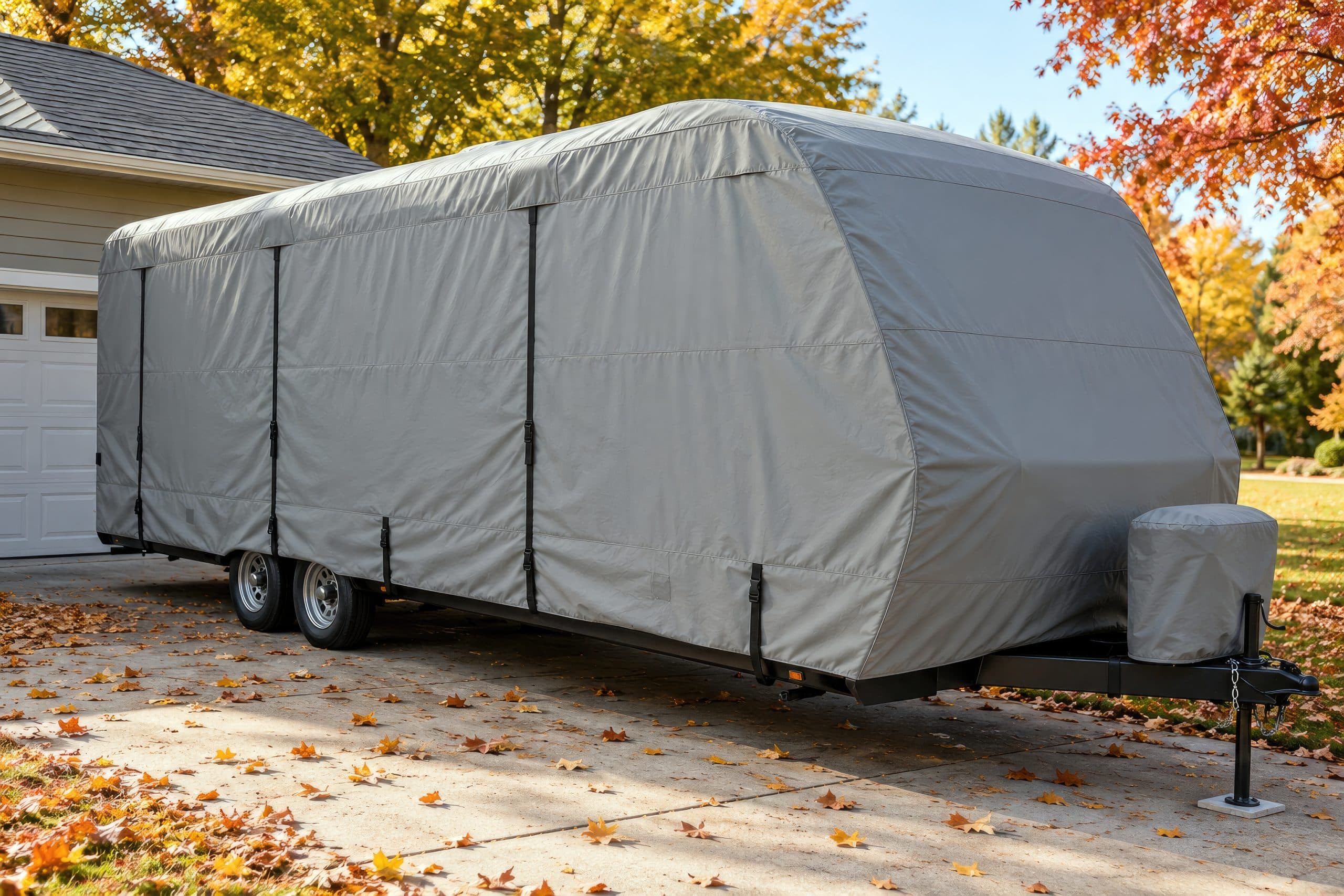
The off-season is an important test of RV customer support because it reveals whether a dealership’s relationship with its customers extends beyond active service requests and sales opportunities. By providing timely reminders, useful ownership guidance, and accessible RV help year-round, dealers and manufacturers can maintain customer confidence, strengthen loyalty, and stay relevant even when the vehicle isn’t being used.
An RV may spend several months in storage, but the responsibilities of ownership never really stop.
Customer Loyalty Doesn’t Have an Off-Season
The RV industry is naturally seasonal. Dealership traffic, service demand, travel activity, and customer inquiries tend to fluctuate throughout the year, particularly in regions where colder weather limits camping opportunities.
Those seasonal patterns influence how businesses operate, but they shouldn’t determine whether customers keep hearing from the companies that sold or manufactured their vehicles.
Think about the amount of communication involved in purchasing an RV. Prospective buyers receive emails, phone calls, financing information, product education, and follow-up messages as they move toward a decision. The dealership works hard to build trust and show it understands the customer’s needs.
After delivery, that communication may become much less frequent.
During the camping season, the owner might return with a service question, warranty concern, or request for assistance. But once the RV goes into storage, both parties may have little reason to initiate contact.
That silence creates distance.
It doesn’t necessarily mean the customer is dissatisfied or that the dealership did anything wrong. Rather, the business gradually becomes less relevant to the owner’s everyday experience.
And when that owner eventually needs service, replacement parts, or another RV, the original dealership may no longer be their first choice.
What Happens When an Owner Needs Help Months After Their Last Trip?
Consider an RV owner who purchased a travel trailer in the spring and spent the summer visiting campgrounds with their family.
Throughout the buying process, the dealership was responsive and helpful. The customer received a thorough delivery orientation, understood the available protection options, and left feeling confident about their purchase.
By October, the trailer is parked in storage.
The owner has a few lingering questions about battery maintenance and whether an issue with the water heater from their final trip should be addressed before spring. They intend to contact the dealership but get busy and put it off.
Months pass without any communication.
In February, the owner begins planning their first spring trip and remembers the unresolved water heater concern. They cannot recall whether the issue may be covered under warranty or where they saved the original paperwork.
They search online, review old emails, and eventually contact a service provider they find through a search engine.
The original dealership never had an opportunity to help.
Now imagine a different experience.
Shortly after the RV enters storage, the dealership sends a helpful message with battery maintenance guidance and reminders about addressing outstanding service concerns. Later in the winter, the owner receives information about reviewing warranty coverage and scheduling spring inspections before seasonal demand increases.
Instead of beginning their search from scratch, the customer already knows where to turn.
The difference is not the number of messages sent. It is whether the communication remains useful to the owner.
The Difference Between Staying in Touch and Staying Relevant
Frequent customer communication does not automatically create loyalty.
An owner who receives several promotional emails during the winter may recognize the dealership’s name without feeling any more supported. If those messages aren’t related to their ownership needs, they give them little reason to engage.
Useful communication works differently.
A reminder to check an RV’s battery during extended storage addresses an actual maintenance concern. Explaining warranty coverage helps owners understand their options. A spring service scheduling reminder gives customers an opportunity to prepare before the next camping season.
These interactions demonstrate that the dealership understands what ownership looks like beyond the sales lot.
The most effective off-season communication may include:
- Maintenance guidance: Information about storage, batteries, tires, seals, and other seasonal concerns.
- Warranty and coverage reminders: Timely notifications about upcoming expirations, renewals, and available protection.
- Service opportunities: Convenient ways to schedule inspections, repairs, or mobile maintenance before peak season.
- Ownership education: Practical answers to common questions that owners may not think to ask until a problem occurs.
- Trip preparation: Guidance that helps customers get their RV ready when travel plans begin again.
Each touchpoint should give the customer something useful, whether that is an answer, a reminder, or an easier way to access assistance.
The goal is to make the relationship valuable even when there is no immediate transaction.
How Technology Can Keep the Ownership Relationship Connected
Maintaining consistent communication with hundreds or thousands of RV owners can be difficult when follow-up depends entirely on individual employees remembering when to reach out.
Customer information may also be spread across dealership management systems, service records, warranty administrators, and separate communication platforms.
Even when a dealership wants to provide proactive support, the process can become difficult to manage.
This is where connected ownership technology can help.
The Happy Camper’s Care Center for Dealers gives RV owners a centralized place to access information about their vehicle. Using their VIN and a one-time verification code, customers can access relevant policies, service cases, and other ownership details through a portal embedded on the dealership’s website.
The platform also supports proactive maintenance reminders, warranty expiration notifications, protection-product renewals, and service booking.
Consider the owner who had questions about their water heater before putting the RV into storage. Rather than searching through old paperwork months later, they could return to the dealership’s Care Center to access available vehicle and coverage information and initiate the appropriate service request.
Meanwhile, the dealership can use relevant maintenance and coverage touchpoints to stay connected with the customer throughout the year.
The Happy Camper’s WheelOS platform supports the broader coordination of ownership workflows, helping connect service, communication, and other customer needs across different parties.
The technology is valuable because it helps make ongoing support more consistent without requiring every customer interaction to begin with another phone call.
The Off-Season Can Reveal Gaps in Customer Support
Busy camping seasons naturally generate opportunities for customer interaction.
Owners call when something breaks, schedule maintenance before trips, request roadside assistance, and contact dealerships with questions about their vehicles.
These interactions keep service and support teams engaged, even when the process is largely reactive.
The off-season removes much of that immediate activity.
Without customers regularly initiating contact, dealerships have to consider whether they have a meaningful way to maintain the relationship.
Can they identify owners who may need upcoming maintenance? Do they have a reliable way to communicate warranty expirations? Can customers easily find their vehicle information or request assistance without navigating several departments?
If the answer is no, the problem is not necessarily the slower season. The customer relationship may have depended too heavily on the owner taking the first step.
The off-season doesn’t create distance between dealerships and customers. It reveals how much of the relationship depends on the customer reaching out.
That distinction matters for businesses looking to build stronger ownership experiences.
Why Off-Season Engagement Matters for Long-Term Growth
A customer relationship that continues throughout ownership creates value for both the owner and the dealership.
For owners, consistent communication reassures them that maintenance, service, and warranty questions don’t have to be handled independently. It also makes it easier to plan for expenses and service needs before they become urgent.
For dealerships, staying connected can create opportunities for repeat service visits, protection product renewals, accessories, referrals, and future vehicle purchases.
These opportunities do not have to come from aggressive sales campaigns.
A customer who receives a timely inspection reminder may schedule service before their first spring trip. Another owner may renew a protection product after receiving a clear explanation of when their existing coverage expires. A family that consistently receives helpful support may be more inclined to return to the same dealership when they decide to upgrade.
For manufacturers, continued engagement can also help maintain brand relationships and improve visibility into questions and challenges owners experience over time.
Rather than focusing exclusively on acquiring the next customer, the industry can create more value through the relationships it has already established.
The Best Customer Relationships Continue Between Camping Seasons
The end of camping season should not signal the end of customer engagement.
Dealers and manufacturers have opportunities throughout the year to provide information, anticipate maintenance needs, answer questions, and help owners prepare for future travel.
Not every interaction needs to involve a repair, purchase, or urgent problem. In fact, some of the most valuable communications may happen when everything is working as expected.
That is when brands can demonstrate that their interest in the customer extends beyond the next transaction.
At The Happy Camper, we believe effective RV customer support should remain accessible throughout the entire ownership journey, including the months when an RV is parked. By making RV help easier to find and connecting owners with timely information and service opportunities, dealerships and manufacturers can strengthen relationships that carry from one camping season into the next.
Need RV help beyond this topic? The Happy Camper is always happy to support. Get in touch with our team today.
Frequently Asked Questions
Before you go, learn even more about off-season RV ownership and the importance of maintaining customer relationships throughout the year.
Why is RV customer support important during the off-season?
RV customer support remains important during the off-season because owners still have maintenance, storage, warranty, and service needs even when they are not traveling. Consistent communication helps dealerships maintain relationships, answer questions, and provide guidance that prepares customers for the next camping season.
How can RV dealerships stay connected with customers during winter?
RV dealerships can stay connected by sharing seasonal maintenance guidance, sending warranty and coverage reminders, offering service scheduling opportunities, and providing practical ownership resources. The most effective communication addresses relevant customer needs rather than relying exclusively on promotional messages or sales offers.
What types of RV help do owners need during the off-season?
Owners may need RV help with battery maintenance, storage preparation, warranty questions, protection-product renewals, and scheduling repairs or inspections. They may also need guidance on preparing their vehicles for spring travel, particularly if the RV has been stored for several months.
How can technology improve off-season RV customer support?
Technology can help dealerships automate relevant reminders, provide centralized access to vehicle information, and simplify service scheduling. Connected ownership platforms can also reduce manual follow-up requirements and make it easier for customers to access assistance without navigating multiple departments or communication channels.
How does The Happy Camper help dealerships maintain customer relationships?
The Happy Camper offers solutions such as Care Center for Dealers, which provides VIN-based access to ownership information, proactive maintenance reminders, coverage details, and service booking. Its WheelOS platform also supports connected workflows across the ownership lifecycle, helping dealerships remain involved beyond the initial vehicle sale.