

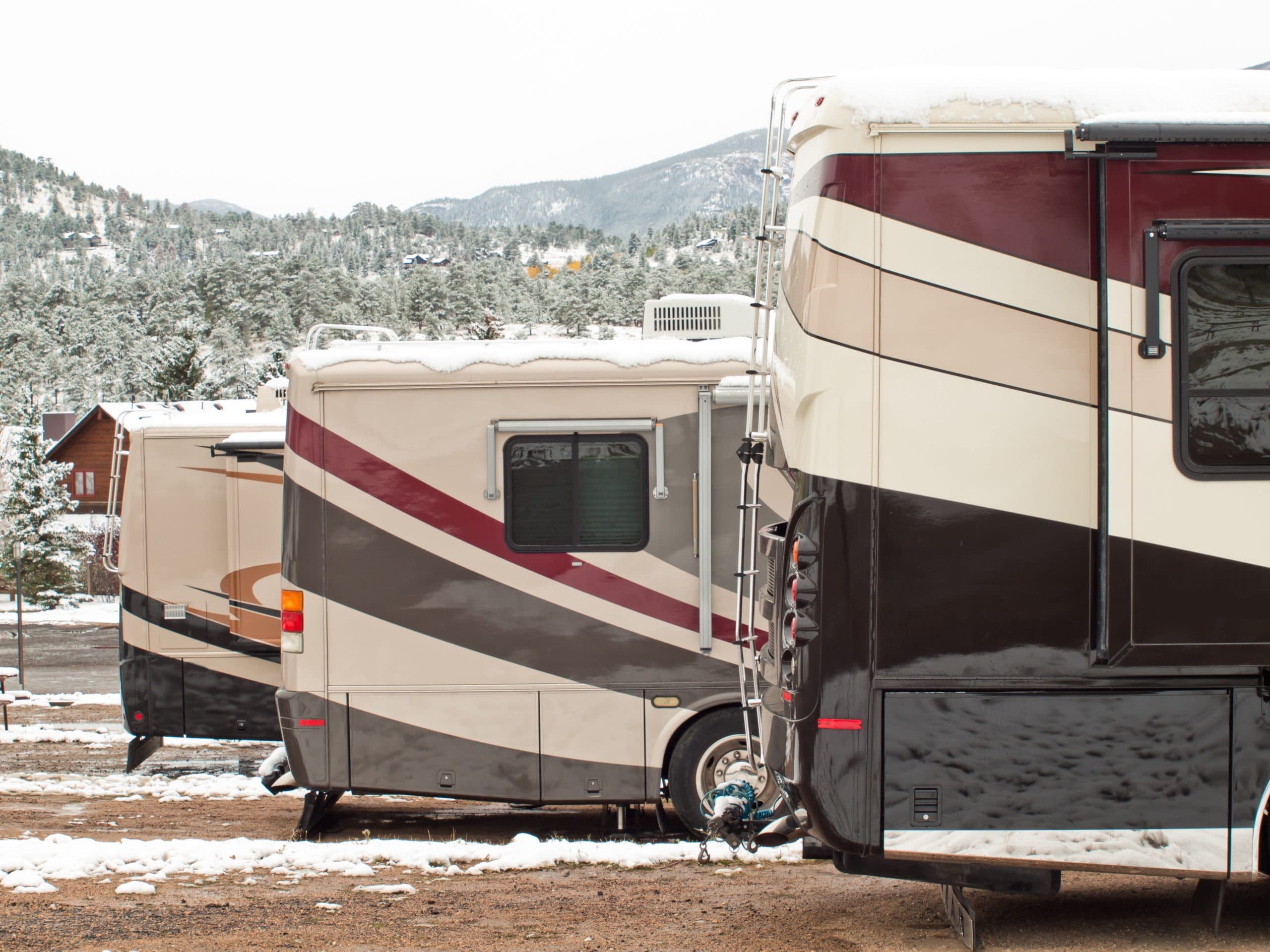
Through proactive communication and RV service automation, dealerships can use this seasonal touchpoint to send timely reminders, simplify service scheduling, and help owners prevent avoidable problems before the next camping season. Rather than waiting for customers to request help, they can provide guidance when it matters most.
For an RV owner, winterization may signal the end of another camping season. For the businesses supporting that owner, it should also be an opportunity to build trust, reinforce the value of ongoing support, and make ownership easier.
Why RV Winter Preparation Deserves More Attention
Winterization protects an RV from damage that can occur during prolonged exposure to freezing temperatures and extended periods of inactivity. Plumbing systems, water heaters, batteries, seals, tires, and other components may require attention before the vehicle goes into storage.
For experienced owners, preparing an RV for winter may be a familiar annual routine. Newer owners, however, may not know which steps are necessary, when to schedule service, or how their storage conditions affect maintenance requirements.
Even owners who understand the basics can overlook something important.
Consider the customer who purchased an RV in May, enjoyed several summer trips, and is now approaching their first winter with the vehicle. They received an orientation at delivery, but winterization was not especially relevant at the time. Several months later, they remember hearing about draining the water system but aren’t sure whether their specific model requires additional steps.
They search online, find conflicting instructions, and wonder whether they should handle winterization themselves or schedule it with the dealership.
This is a predictable ownership need, yet without proactive communication, that customer may be left to navigate it independently.
A timely reminder from the dealership, accompanied by relevant guidance and an easy way to request service, could turn that uncertainty into a positive ownership experience.
Proactive Communication Can Prevent Reactive Problems
Many customer service interactions begin only after something has gone wrong. A customer discovers a leak, encounters a mechanical problem, or notices that a component is no longer functioning properly.
Winterization presents an opportunity to communicate before those problems occur.
Dealers and manufacturers already understand that seasonal maintenance is part of responsible RV ownership. The challenge is making sure customers receive relevant information at the right time, in a format they can easily act on.
That communication might include:
- Seasonal reminders based on anticipated storage conditions and local climate.
- Guidance on winterizing plumbing, batteries, and other vulnerable systems.
- Information about scheduling dealership or mobile maintenance services.
- Reminders to review warranty coverage and maintenance requirements.
- Recommendations for preparing the RV for its return to service in the spring.
The objective is not to overwhelm owners with another lengthy maintenance checklist. It helps them understand what matters, why it matters, and where to turn for assistance.
When a customer receives useful guidance before a problem arises, the dealership becomes a resource rather than simply a place to call when repairs are needed.
How RV Service Automation Creates a Better Maintenance Experience
Return to the first-time owner preparing their RV for winter.
Instead of searching for information independently, imagine they receive a message from their selling dealership reminding them that colder weather is approaching and that it may be time to winterize their vehicle.
The message explains the importance of preparing the RV’s water system, highlights a few common areas that need attention, and offers a direct way to schedule service.
The owner visits the dealership’s website and accesses their vehicle information using their VIN. They can review ownership details, check relevant coverage information, and request an appointment without starting with an unfamiliar service representative.
The difference is significant.
The dealership anticipates an ownership need, the customer understands the next step, and a potential maintenance concern becomes an opportunity for continued engagement.
This is where RV service automation can make proactive ownership support more practical.
The Happy Camper’s Care Center for Dealers keeps dealerships connected to owners throughout the ownership lifecycle. Its VIN-based portal gives customers access to information associated with their RV, including relevant policies, service cases, and other ownership details.
The platform also supports proactive maintenance reminders and service booking, giving dealerships more opportunities to communicate beyond the original purchase.
Instead of relying on customers to remember maintenance needs or initiate contact, dealerships can create more consistent touchpoints throughout the year.
The Value of Staying Connected During the Off-Season
The RV industry is naturally seasonal, but customer relationships should not disappear when camping activity slows.
For dealerships, the months surrounding winterization can create valuable opportunities to maintain service relationships, identify maintenance needs, and help customers prepare for future travel.
An owner who schedules winterization may also need a battery inspection, tire service, seal maintenance, or assistance addressing an issue discovered during their final trip of the season.
Those needs create legitimate service opportunities, but the long-term value extends beyond the immediate appointment.
A customer who consistently receives useful information is more likely to remember where to turn when another question arises. A customer who has a positive maintenance experience may be more comfortable returning to the dealership for future service.
For manufacturers, seasonal interactions can also provide insight into recurring owner questions, maintenance challenges, and opportunities to improve educational resources.
The larger opportunity is to make seasonal communication part of a connected support experience rather than treating every interaction as a separate transaction.
RV Winter Maintenance Should Lead Into Spring Preparation
Another overlooked opportunity is what happens after the RV has been winterized.
For many owners, the next significant interaction with their vehicle will occur months later when they begin planning their first trip of the new camping season.
That transition creates its own maintenance and support needs.
Owners may need to de-winterize plumbing systems, inspect tires and batteries, test appliances, review fluid levels, and address any issues that developed during storage. Some may also need to schedule service before campgrounds become busy and dealership service calendars begin filling.
A dealership that communicated during fall winterization already has a natural reason to reconnect.
Instead of waiting for the customer to call with a problem in April, it can provide spring preparation reminders, encourage early service scheduling, and help the owner approach the new season with confidence.
The Happy Camper’s broader platform, including WheelOS, is designed to support connected workflows across service, communication, and other ownership needs. This approach recognizes that an owner’s interaction with a dealership should not be limited to isolated service requests.
Winterization and spring preparation are two points in a continuous ownership journey.
Connecting those moments can make the experience more manageable for customers while helping dealerships maintain stronger relationships throughout the year.
Every Seasonal Touchpoint Is an Opportunity to Build Trust
The most valuable customer communications are often the ones that arrive before the customer realizes they need help.
A winterization reminder may seem small compared with a major repair or roadside assistance event. But it demonstrates that the dealership understands the responsibilities that come with RV ownership and remains invested in the customer’s experience.
That consistency becomes especially important as owners move beyond their first year.
An RV that has been owned for five years may have different maintenance needs, warranty considerations, and service history than one purchased a few months ago. Recognizing those differences allows dealers and manufacturers to make communication more useful over time.
It also reinforces a simple principle: support should follow the vehicle and the owner throughout the ownership lifecycle.
Better Ownership Support Does Not Have an Off-Season
Winterization will always involve practical maintenance tasks, but the opportunity surrounding those tasks is much larger.
For dealerships, it creates a reason to reconnect with existing customers, provide helpful guidance, and encourage preventive service. For manufacturers, it reinforces the importance of supporting owners beyond delivery. For customers, it provides reassurance that someone is helping them navigate the responsibilities of RV ownership.
The businesses that recognize these moments can build relationships that extend from one camping season into the next.
At The Happy Camper, we believe RV winter preparation represents exactly the kind of ownership touchpoint that deserves a more connected approach. With proactive communication, accessible information, and coordinated RV service automation, dealers and manufacturers can turn a routine seasonal task into another opportunity to earn trust and make ownership easier.
Need RV help beyond this topic? The Happy Camper is always happy to support. Get in touch with our team today.
Frequently Asked Questions
Before you go, learn even more about RV winter preparation and how service automation supports a better ownership experience.
Why is RV winter preparation important?
RV winter preparation helps protect plumbing systems, water heaters, batteries, and other components from damage associated with freezing temperatures and prolonged storage. Proper preparation can reduce the risk of expensive repairs and help owners maintain their vehicles during periods when they are not actively traveling.
When should RV owners begin preparing for winter?
RV owners should begin preparing for winterization before freezing temperatures are expected, particularly if the vehicle will be stored in an unheated location. The appropriate timing depends on the local climate, storage conditions, RV model, and expected travel schedule. Owners should consult their vehicle’s maintenance instructions.
How can RV service automation improve winterization?
RV service automation can help dealerships send seasonal maintenance reminders, coordinate service requests, and provide customers with easier access to relevant vehicle information. These capabilities reduce reliance on manual follow-ups and help owners understand when maintenance is needed and how to schedule assistance.
How does proactive winter maintenance benefit RV dealerships?
Proactive winter maintenance communication helps dealerships maintain relationships with customers after delivery, encourage preventive service, and create opportunities for repeat visits. Consistent outreach can also strengthen customer confidence by demonstrating that the dealership remains available throughout the ownership experience.
How does The Happy Camper help dealerships manage seasonal RV service?
The Happy Camper offers connected solutions such as Care Center for Dealers, which supports VIN-based ownership information, maintenance reminders, and service booking. Its broader WheelOS platform helps coordinate workflows across the ownership lifecycle, supporting more consistent communication between dealerships and RV owners.